




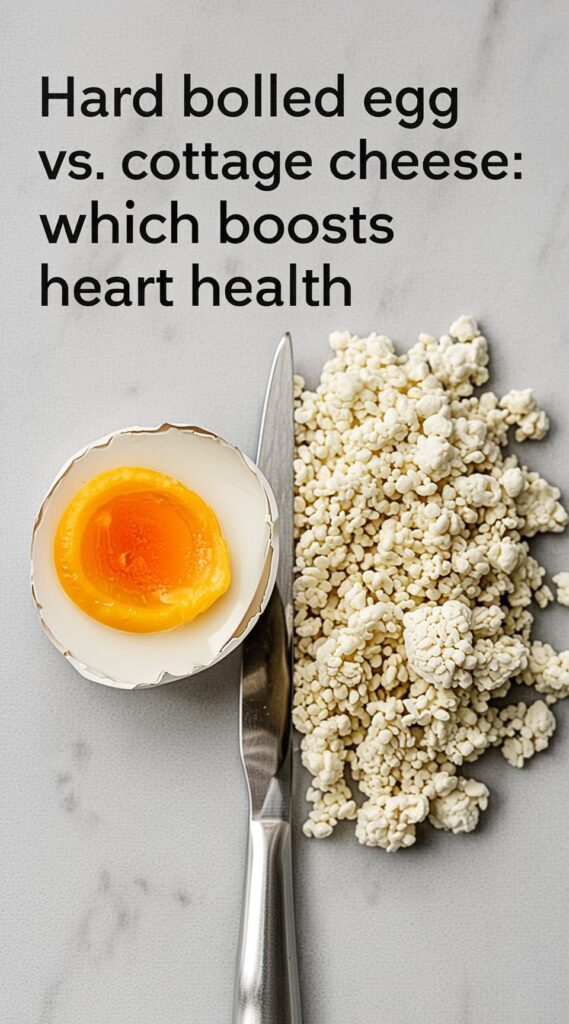
Boiled Eggs vs. Cottage Cheese: Which Boosts Your Heart Health?


When it comes to starting your day with a protein-packed punch, two contenders consistently top the list: the classic hard-boiled egg and the creamy, curd-filled bowl of cottage cheese. For decades, these foods have been staples in the diets of health enthusiasts, bodybuilders, and busy parents alike. But as we become increasingly aware of the importance of cardiovascular wellness, a critical question arises: which of these fridge favorites actually boosts your heart health?
The narrative around heart-healthy foods has shifted dramatically over the last few years. The old advice of avoiding fats and cholesterol at all costs has evolved into a more nuanced understanding of nutrient density, inflammation, and the types of fats we consume. If you are looking to protect your ticker while building lean muscle, understanding the nutritional profile of eggs versus cottage cheese is essential.
The Case for Hard Boiled Eggs: The Nutrient Powerhouse
For a long time, eggs were public enemy number one for heart health due to their cholesterol content. However, modern nutrition science has largely vindicated the egg, revealing it as one of the most nutrient-dense foods on the planet
The Cholesterol Myth vs. Reality
The primary concern with eggs has always been the yolk, which contains about 186 mg of cholesterol. For years, the medical community believed that dietary cholesterol directly translated to clogged arteries. However, recent studies, including extensive research published by the American Heart Association, indicate that for the vast majority of people, saturated fat—not dietary cholesterol—is the main driver of high blood cholesterol.
In fact, eggs contain healthy unsaturated fats; about 2.5 grams of monounsaturated fat and 1 gram of polyunsaturated fat, which are known to be heart-protective. When you eat a hard-boiled egg, you aren't just eating protein; you are eating a complex package of nutrients that work synergistically.
The Heart Nutrient: Choline
One of eggs' secret weapons is choline. While often overlooked, choline is an essential nutrient that plays a critical role in heart health by helping to metabolize homocysteine, an amino acid in the blood. Increased levels of homocysteine lead to high risk of cardiovascular disease and stroke. By keeping homocysteine levels in check, the choline in eggs indirectly supports cardiovascular wellness.
Antioxidant Protection
Hard-boiled eggs are a surprising source of antioxidants. They contain lutein and zeaxanthin, carotenoids typically associated with eye health. However, emerging research suggests these antioxidants also help reduce inflammation and oxidative stress in the body, two key factors in preventing heart disease.
The Case for Cottage Cheese: The Calcium and Potassium Champion
Cottage cheese is experiencing a renaissance, and for good reason. It is packed with slow-digesting casein protein, making it excellent for satiety, but how does it stack up for your heart?
The Blood Pressure Connection
When discussing heart health, blood pressure is a major factor. Cottage cheese is a powerhouse of two essential minerals: calcium and potassium.
Potassium is a vasodilator, meaning it helps widen blood vessels, allowing blood to flow more freely and reducing the strain on the heart. A diet rich in potassium is widely recommended for those looking to lower their blood pressure naturally. While one cup of cottage cheese doesn't provide as much potassium as a banana, it offers a significant contribution to your daily intake alongside high-quality protein.
Additionally, calcium is vital for the proper contraction and relaxation of the heart muscle. While dairy calcium has been debated in heart health circles, most research suggests that adequate calcium intake from food sources supports healthy blood pressure regulation.
The Sodium Warning
If there is a red flag for cottage cheese regarding heart health, it is sodium. Many commercial brands of cottage cheese are loaded with salt to preserve freshness and enhance flavor. Excess sodium intake is directly linked to hypertension, which is a major risk factor for heart disease.
However, this is an easy fix. To make cottage cheese a true heart-health booster, you must choose low-sodium or no-salt-added varieties. When you remove the excess salt, the natural benefits of the protein, calcium, and potassium can shine through without the cardiovascular risks associated with high sodium intake.
Head-to-Head: Breaking Down the Stats
Let’s look at a direct comparison between one large hard-boiled egg versus a half-cup (approx. 113g) of low-fat cottage cheese.
| Nutritional Content | 1 Large Hard-Boiled Egg | Cottage Cheese (Low-Fat, 1/2 Cup |
| Calories | ~78 | ~90 |
| Protein | 6g | 12-14g (varies by brand) |
| Total Fat | 5g | 1-2g |
| Saturated Fat | 1.6g | ~1g |
| Sodium | 62mg | 200mg - 450mg (unless low sodium) |
| Key Nutrients | Choline, Vitamin D, Vitamin B12, Selenium | Calcium, Phosphorus, Selenium, Vitamin B12 |
Saturated Fat Showdown
The American Heart Association recommends limiting saturated fat to about 5% to 6% of total daily calories to maintain optimal heart health. Both eggs and cottage cheese contain small amounts of saturated fat. If you opt for low-fat cottage cheese, it generally has slightly less saturated fat than a whole egg. However, the difference is negligible if you are consuming moderate amounts of both.
The Verdict: Which One Boosts Heart Health More?
If we had to choose a winner strictly based on specific cardiovascular markers, the answer depends on your personal health profile.
Choose Cottage Cheese if you’re managing blood pressure and need a boost in calcium and potassium.
The combination of high protein and blood-pressure-lowering minerals gives cottage cheese a slight edge for those specifically battling hypertension provided you choose a low-sodium variety. The sheer volume of protein also helps with weight management, which is intrinsically linked to heart health.
Choose Hard Boiled Eggs if you’re concerned with inflammation and metabolic health.
Eggs provide a denser profile of vitamins and anti-inflammatory nutrients like choline and Vitamin D. They are naturally low in sodium, making them a "cleaner" choice for those who are salt-sensitive. The healthy fats in eggs also help raise good cholesterol profile for many people.
The Best Strategy: Combine and Conquer
The truth is, you don't have to pick a side. The most heart-healthy diet is one that is varied and balanced. Combining these two foods can provide a synergistic effect for your cardiovascular system.
Imagine a breakfast bowl with a base of low-sodium cottage cheese topped with sliced hard-boiled eggs, a sprinkle of black pepper, and some heart-healthy avocado slices. This meal delivers the potassium and calcium from the cheese, the choline and antioxidants from the egg, and the monounsaturated fats from the avocado. It is low in sugar, high in protein, and incredibly satiating.
Final Thoughts
When comparing hard-boiled eggs and cottage cheese, both are far superior to processed breakfast cereals, pastries, or bacon when it comes to heart health.
Hard-boiled eggs offer a low-sodium, nutrient-dense package that fights inflammation and improves metabolic health.
Cottage cheese offers minerals that regulate blood pressure and support muscle function, provided you are mindful of the salt content.
Ultimately, the "winner" is the one that fits best into your overall dietary pattern. If you have high cholesterol, you may want to limit yolks to a few times a week. If you have high blood pressure, watch the sodium in your dairy. But for the average person, enjoying both of these whole foods is a fantastic way to protect your heart, fuel your body, and enjoy a delicious, protein-rich diet.
Frequently Asked Questions
Can I eat eggs every day if I have heart disease?
Current guidelines suggest that for most people, eating one egg a day is safe and does not increase heart disease risk. However, if you have existing heart disease or very high cholesterol, consult your doctor, as you may need to limit yolk consumption and focus more on egg whites.
Is full-fat or low-fat cottage cheese better for the heart?
While low-fat dairy is traditionally recommended for heart health due to lower saturated fat content, some recent studies suggest full-fat dairy isn't as harmful as once thought. The most important factor is to choose a variety that fits your overall calorie and saturated fat budget, but prioritize low sodium above all else.
How does the protein in these foods help the heart?
Protein is essential for maintaining muscle mass, and yes, your heart is a muscle! Adequate protein intake helps maintain a healthy weight and reduces the likelihood of overeating processed carbohydrates, which can spike blood sugar and lead to inflammation—both risk factors for heart disease.
