




What Is a Signal Alteration? Meaning on Your MRI Report


If you have recently received a medical report for an MRI scan, especially from a German-speaking country or medical facility, you might have spotted the word “signal alteration. Looking at medical terms can be quite intimidating, especially when they are written in a foreign language or complex medical shorthand.
Fortunately, this term is not a specific disease or a final diagnosis. It is simply a descriptive term that radiologists use to highlight an interesting area on an imaging scan. In this guide, we will break down exactly what a Signal alteration is, why it happens, and the next steps for your health journey.
What Does Signal Alteration Mean?
Translated literally from German, Signal alteration simply means signal alteration or signal change.
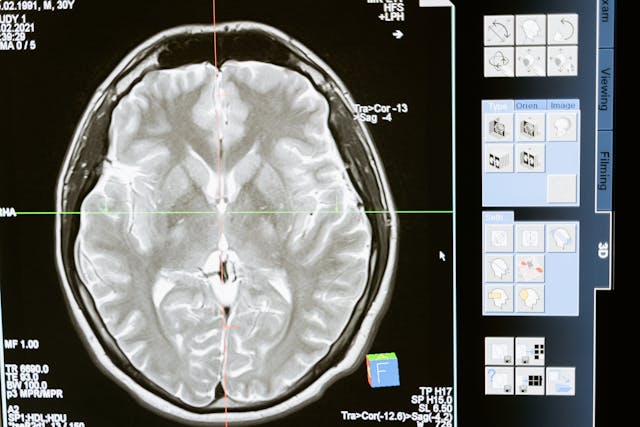
An MRI machine does not take a standard photograph like a digital camera. Instead, it uses a very strong magnetic field and radio waves to make the water molecules in your body give off signals. The computer reads these signals and turns them into a black-and-white picture of your inside tissues. Healthy tissues give off a predictable, uniform signal. A signal alteration means that a specific spot in your body is sending a signal that differs from the healthy tissue surrounding it.
How It Appears on an MRI Scan
Depending on the specific settings used during your scan, a signal change can make a spot look much brighter or much darker than it usually should.
- Hypointens (Hypointense): The area looks darker than the surrounding tissue because it is giving off a weaker signal.
- Hyperintens (Hyperintense): The area looks brighter or whiter than normal because it is giving off a stronger signal.
Common Causes of Signal Alterations
Because a signal change just means "something looks different here," it can be caused by a massive variety of everyday conditions. It serves as a general warning flag rather than a definitive answer.
In muscles, joints, and bones, a signal alteration is frequently caused by simple fluid buildup, such as inflammation from a sprained ankle, a torn ligament, or arthritis. In the brain or spinal cord, these changes can be caused by old scars, small areas of poor blood flow, or conditions that affect the protective coating around your nerves. Finding a signal change does not automatically mean you have a serious illness; it often just highlights a spot that is currently healing from a minor injury or swelling.
Connecting Your Physical and Mental Well-being
Waiting for your healthcare provider to explain a complex medical word on your scan can cause a great deal of worry and stress. It is completely natural to feel anxious when you cannot easily read your own health records.
However, carrying a high load of daily stress can cause real, physical changes in your body. Intense health anxiety can trigger a racing heart, muscle tension, or a sudden spike in blood pressure. Managing your mental wellness while navigating medical tests is vital to staying healthy. If you find yourself overwhelmed by medical anxiety, utilizing support benefits like Lyra mental health can connect you with a professional counselor to learn effective techniques to calm your mind and find peace.
Simple Daily Habits to Support Recovery
While you wait to discuss the official results with your physician, focusing on positive, everyday health choices can give your body the best environment to heal.
Staying fully hydrated is a wonderful way to keep your tissues healthy, support your cardiovascular system, and prevent common issues such as headaches and dizziness. If plain water feels unappealing, low-sugar options like Propel or Sparkling Ice are great ways to keep your fluid levels up. It is also highly beneficial to avoid habits that increase inflammation in your body. Steering clear of vaping protects your lungs and circulatory system from harsh artificial chemical compounds, directly helping your immune system work at its absolute best.
Your Next Medical Steps
If you see the word "Signal alteration" on your report, the single smartest thing you can do is schedule a follow-up appointment with your referring healthcare provider.
A radiologist writes the image description, but your regular healthcare provider understands your complete medical history, physical symptoms, and lifestyle. If your symptoms are stable, you can safely wait for a standard clinic appointment. However, if you ever experience sudden, severe pain, a high fever, or immediate numbness and weakness in your limbs, you should go to an emergency room or an urgent care clinic right away to get evaluated by a medical team.
Bottom Line
Seeing a signal alteration simply means the scanner detected a spot. This spot appears lighter or darker than the surrounding healthy tissue. It is a common descriptor for swelling, old scars, or minor injuries. Stay calm and maintain excellent hydration. Then, review the complete findings with your healthcare provider. You can easily turn this technical medical code into a clear, understandable plan to protect your health.
Frequently Asked Questions
Is a signal alteration the same thing as a tumor?
No, absolutely not. While growth can cause a signal change, most alterations on everyday MRI scans are completely benign. They are often due to mild fluid retention, inflammation, or bruising. Normal aging scars can also cause these changes.
Why are some MRI reports written with German terms?
Many specialized imaging facilities, medical software programs, and European clinics use standard German or Latin terminology. They include terms like "Signal alteration" or "Bandscheibenprolaps" in their formal clinical documentation. This approach provides a highly standardized language. It helps healthcare providers communicate clearly across different regions.
Can a signal alteration go away over time?
If the signal change came from temporary swelling, fluid accumulation, or an acute muscle strain, the tissue can heal. Once the underlying injury resolves, it will often return to its completely normal appearance on future scans.
How long does it take for a healthcare provider to review an MRI report?
In most standard settings, a radiologist sends the completed report to your primary healthcare provider. This usually happens within 24 to 48 hours after your scan is finished. Your healthcare provider's office will then contact you. They will discuss what the findings mean for your treatment.