




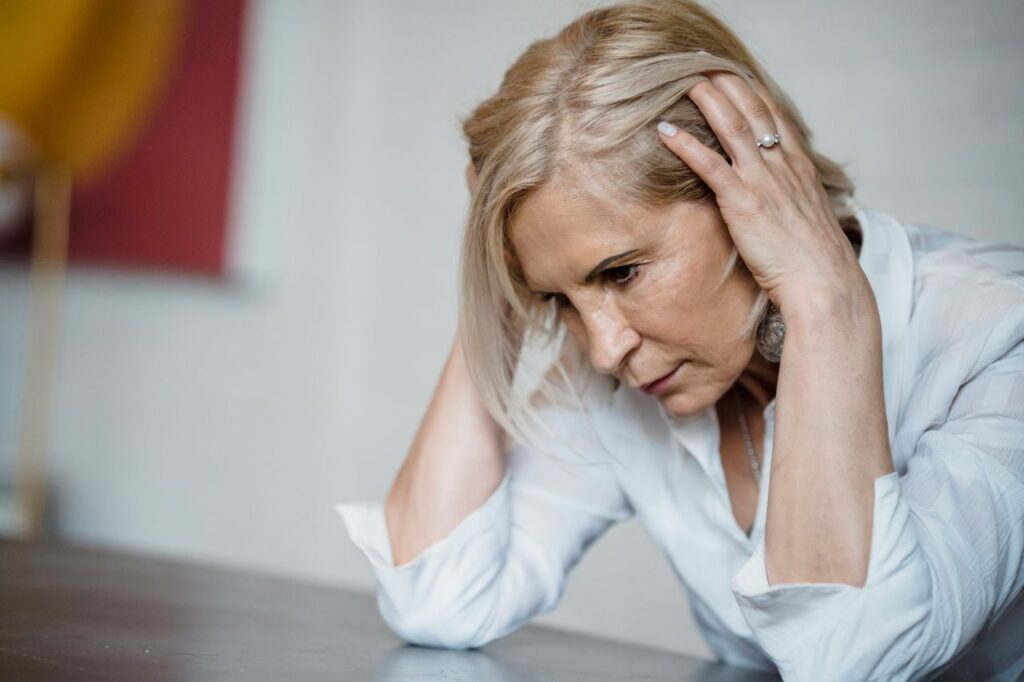
Age 40 Early Perimenopause Symptoms: What Women Should Know


Many women begin noticing changes in their bodies during their late 30s and early 40s. While menopause is often associated with the late 40s or early 50s, hormonal changes can start much earlier. Understanding age 40 early perimenopause symptoms can help women recognize what is happening in their bodies and take steps to manage their health during this transitional phase.
What Is Perimenopause?
Perimenopause is the period leading up to menopause when hormone levels begin to fluctuate. During this time, the ovaries gradually produce less estrogen and progesterone.
For some women, age 40 early perimenopause symptoms may appear several years before menopause officially occurs. Menopause is diagnosed after 12 consecutive months without a menstrual period, while perimenopause can last anywhere from a few years to over a decade.
Can Perimenopause Start at Age 40?
Yes, it is common for hormonal changes to begin around age 40. Some women may notice subtle symptoms, while others experience more significant physical and emotional changes.
The appearance of age 40 early perimenopause symptoms does not necessarily mean menopause is imminent. Instead, it signals that hormone levels are beginning to shift.
Common Age 40 Early Perimenopause Symptoms
Recognizing the most common age 40 early perimenopause symptoms can help women better understand and manage hormonal changes.
Irregular Periods
Changes in menstrual cycles are often one of the earliest signs.
Women may experience:
- Shorter cycles
- Longer cycles
- Heavier bleeding
- Lighter periods
- Missed periods
Hot Flashes
Sudden feelings of heat that spread through the upper body are a common symptom.
Hot flashes may occur during the day or at night.
Night Sweats
Many women experience excessive sweating while sleeping, which can disrupt rest and contribute to fatigue.
Mood Changes
Hormonal fluctuations can affect emotional well-being.
Common emotional symptoms include:
- Irritability
- Anxiety
- Mood swings
- Increased sensitivity
These emotional changes are among the most frequently reported age 40 early perimenopause symptoms.
Fatigue
Persistent tiredness is common during perimenopause.
Hormonal shifts and sleep disturbances often contribute to low energy levels.
Sleep Problems During Perimenopause
Many women notice changes in sleep quality.
Common Sleep Issues
- Difficulty falling asleep
- Frequent waking during the night
- Early morning awakening
- Feeling tired despite adequate sleep
Sleep disturbances often worsen other age 40 early perimenopause symptoms, including mood swings and fatigue.
Brain Fog and Memory Changes
Some women experience cognitive symptoms during hormonal transitions.
Common Cognitive Symptoms
- Forgetfulness
- Difficulty concentrating
- Reduced focus
- Mental fatigue
These symptoms are sometimes described as "brain fog."
Physical Changes Associated With Perimenopause
Hormonal fluctuations can affect several areas of physical health.
Weight Gain
Many women notice weight gain, particularly around the abdomen.
Joint and Muscle Discomfort
Hormonal changes may contribute to aches and stiffness.
Breast Tenderness
Breast sensitivity or discomfort may occur during hormonal fluctuations.
Headaches
Some women experience more frequent headaches or migraines during perimenopause.
Changes in Libido
Declining hormone levels may affect sexual health.
Women may notice:
- Reduced sexual desire
- Vaginal dryness
- Changes in sexual satisfaction
These can be frustrating but are common age 40 early perimenopause symptoms.
What Causes Early Perimenopause Symptoms?
Several factors influence when symptoms begin.
Natural Aging
The most common cause is the natural decline in reproductive hormone production.
Genetics
Family history may influence when perimenopause starts.
Lifestyle Factors
Certain habits may worsen symptoms, including:
- Smoking
- Chronic stress
- Poor sleep
- Lack of exercise
Medical Conditions
Some health conditions can affect hormone levels and mimic perimenopausal symptoms.
How to Manage Age 40 Early Perimenopause Symptoms
While hormonal changes are natural, there are several ways to support overall well-being.
Eat a Balanced Diet
Focus on:
- Fruits and vegetables
- Lean proteins
- Whole grains
- Healthy fats
Proper nutrition supports hormone health and energy levels.
Stay Physically Active
Regular exercise may help:
- Improve mood
- Support healthy weight management
- Improve sleep quality
- Reduce stress
Prioritize Sleep
Good sleep habits become increasingly important during hormonal transitions.
Manage Stress
Stress can worsen many age 40 early perimenopause symptoms.
Helpful strategies include:
- Meditation
- Deep breathing exercises
- Yoga
- Mindfulness practices
When to Talk to a Doctor
You should seek medical advice if:
- Symptoms significantly affect daily life
- Periods become extremely heavy
- Mood changes become severe
- Sleep problems persist
- Symptoms appear unusually early
A healthcare provider can determine whether symptoms are related to perimenopause or another health condition.
Treatment Options
Depending on symptom severity, treatment may include:
Lifestyle Modifications
Healthy habits often help manage mild symptoms.
Hormone Therapy
Some women may benefit from hormone-based treatments under medical supervision.
Non-Hormonal Treatments
Various medications and therapies can help manage specific symptoms.
Your healthcare provider can recommend the most appropriate approach.
Conclusion
Understanding age 40 early perimenopause symptoms can help women navigate hormonal changes with greater confidence. Symptoms such as irregular periods, hot flashes, fatigue, mood swings, sleep disturbances, and brain fog are common during this transition. While perimenopause is a natural stage of life, healthy lifestyle choices and professional guidance can make symptoms more manageable and improve overall quality of life.
Frequently Asked Questions (FAQs)
1. Can perimenopause start at age 40?
Yes, many women begin experiencing hormonal changes around age 40.
2. What are the first signs of perimenopause?
Irregular periods, mood changes, sleep problems, and hot flashes are common early signs.
3. How long does perimenopause last?
It can last several years before menopause occurs.
4. Can perimenopause cause anxiety?
Yes, hormonal fluctuations may contribute to anxiety and mood changes.
5. Is weight gain common during perimenopause?
Yes, many women notice changes in body composition and weight distribution.
6. Can perimenopause affect memory?
Yes, brain fog and concentration difficulties are common symptoms.
7. How can I manage symptoms naturally?
Regular exercise, healthy eating, quality sleep, and stress management can help.
8. When should I see a doctor?
If symptoms become severe, disruptive, or occur unusually early.
