




What is MASLD? Symptoms, Causes, and How to Reverse It


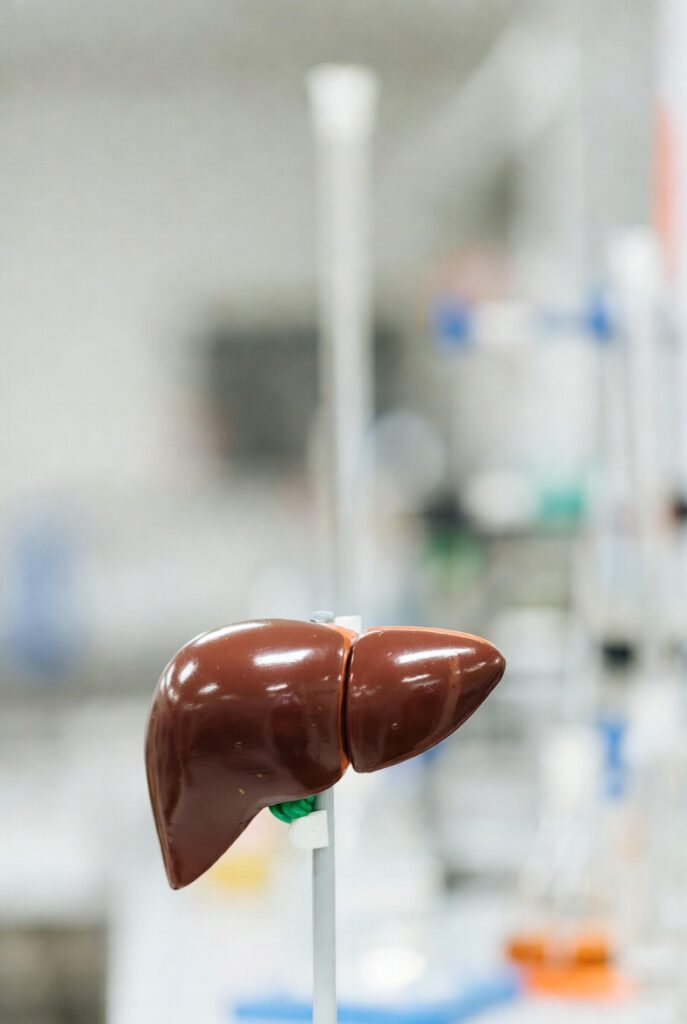
Your liver is a very important part of your body. It acts like a giant filter to keep you healthy. It cleans your blood, stores vitamins, and helps turn your food into energy. Sometimes, things can go wrong with this filter. Right now, a major health problem is spreading worldwide. It is called Metabolic Dysfunction-Associated Steatotic Liver Disease (MASLD).
Most healthcare professionals call it MASLD to keep it short. A little while ago, healthcare professionals called this same problem Non-Alcoholic Fatty Liver Disease. The name has changed, but the problem is the same. It is a massive issue everywhere. Almost one in three people worldwide has this issue. Many people have extra fat building up in their livers and do not even know it is happening.
Why the Name Changed from NAFLD to MASLD
You might wonder why healthcare professionals gave this liver problem a brand new name. The old name used the word alcoholic. This made many people feel bad or embarrassed. It felt like they were doing something wrong, even if they never drank any alcohol at all. The new name uses the word metabolic instead.
This means the problem is about how your body uses energy and food. Changing the name takes away the bad feelings and shame. It helps healthcare professionals and patients talk about the real problem without judgment. It shows everyone that the disease is tied to things like blood sugar and body weight, and not to drinking alcohol.
What the Science Actually Says
Science shows us that you can get a fatty liver even if you do not drink alcohol. When you eat more food and energy than your body needs, your liver starts to store the leftover energy as fat. Over time, this fat piles up inside the liver. According to the Mayo Clinic, this problem often occurs when your body stops responding to a hormone called insulin. This condition is known as insulin resistance.
When your body cannot use insulin the right way, too much sugar stays in your blood. Your liver tries to help by turning that extra sugar into fat. This is why having conditions like high blood pressure, extra body weight, or high blood sugar makes it much easier to get a fatty liver. These issues all work together to cause the problem, the National Institute of Health explains.
Why the Silent Label Exists
Healthcare professionals often call this a silent disease. They call it silent because you usually do not feel sick at all when you have it. You might not feel any pain in your belly. In the early stages of the disease, there are rarely any warning signs. Things like yellow skin, dark urine, or sharp belly pain only happen when the liver is very, very sick.
Because there are no loud signs, people often find out they have a fatty liver completely by accident. A healthcare provider might order a normal blood test for a yearly checkup. When the blood test results come back, the healthcare provider might notice that the liver is working too hard.
The Real Risks and What to Know Instead
Having fat in your liver is not something you should ignore. If the fat stays in there for a long time, the liver can get very angry and swollen. This swelling is called inflammation. When inflammation occurs, the disease progresses to a more advanced stage called MASH.
As the Cleveland Clinic notes, this constant swelling can cause hard scars to form on the liver over time. If the liver gets too many scars, it becomes stiff and cannot do its job anymore. This severe scarring is called cirrhosis. Having a fatty liver also puts your heart in great danger. People with extra liver fat actually have a much higher chance of having heart attacks or other heart problems.
Can MASLD Be Reversed
The good news is that you can fix a fatty liver. You can make the extra fat go away completely. You do not need any magic pills to do this. You need to change how you eat and how you move.
Healthcare professionals often suggest trying to lose a little bit of weight to start. Losing just ten percent of your total body weight can take a huge amount of fat right out of your liver. Eating healthy foods helps a lot, too, notes the Mayo Clinic.
Many healthcare professionals recommend eating meals rich in fresh vegetables, whole grains, fish, and healthy oils such as olive oil. Moving your body every day is also very important. Walking, swimming, or riding a bike can help your body use food better so it does not store it as fat.
Are Thin People at Risk
You do not have to be overweight to get a fatty liver. Thin people can get it too. Healthcare professionals call this Lean MASLD. Sometimes, your genes make your body store fat in your liver. You get your genes from your parents. Even if your arms and legs look very thin, you might have hidden fat inside your belly.
This hidden fat wraps around your stomach and liver. It is very tricky because you cannot see it from the outside looking in a mirror. This means absolutely anyone can have a fatty liver, no matter what size pants they wear.
What Tests Detect Liver Fat
If your healthcare provider thinks you have extra fat in your liver, they will run some simple tests. The first step is usually a quick blood test. This test checks for liver enzymes. Enzymes are special proteins that help your body work. If your liver is struggling or swollen, these enzyme levels will appear elevated on the test.
The Johns Hopkins Medicine explains that healthcare professionals also use a special tool called an ultrasound to look at your liver. It takes a safe picture of the inside of your belly using sound waves. There is also a newer tool called a FibroScan. This machine works a lot like an ultrasound, but it can measure exactly how stiff your liver feels. A stiff liver usually means there is fat or bad scarring inside.
Bottom Line
Taking good care of your liver is very important for a long and healthy life. You can protect your liver by eating fresh foods, moving your body often, and going to your regular healthcare provider checkups. Because this is a silent problem, you cannot wait until you feel sick to ask for help. If you have high blood sugar, carry extra weight around your middle, or have a family history of liver problems, it is a very good idea to speak with your healthcare provider soon. They can check your liver and help you keep it healthy for many years to come.
Frequently Asked Questions
Is a fatty liver a permanent condition?
The answer is usually no. In the early stages, your liver is amazing and can heal itself completely. If you change your daily diet and lose some weight, the fat will melt away. However, if the liver gets too many hard scars over a long time, that serious damage cannot be undone.
Does coffee help the liver?
Many large studies show that plain coffee is actually very good for your liver health. Drinking two or three cups of black coffee a day might help protect your liver from swelling and damage.
What is the most common sign of liver issues?
Even though it is a silent disease, some people do feel one small thing. They feel very tired all the time. This deep tiredness is called fatigue. It is hard to know whether the fatigue is exactly due to the liver, because being tired can happen for so many reasons. If you feel extremely tired every day, you should tell your healthcare provider so they can figure out why.
Sources
Kudaravalli P, John S. Nonalcoholic fatty liver. PubMed. Published 2023. https://www.ncbi.nlm.nih.gov/books/NBK541033/
De Filippis E. What is insulin resistance? A Mayo Clinic expert explains. Mayo Clinic. Published August 18, 2022. https://www.mayoclinic.org/diseases-conditions/obesity/multimedia/vid-20536756
Rippe J, Angelopoulos T. Relationship between Added Sugars Consumption and Chronic Disease Risk Factors: Current Understanding. Nutrients. 2016;8(11):697. doi:https://doi.org/10.3390/nu8110697
Cleveland Clinic. Cirrhosis of the Liver. Cleveland Clinic. Published July 26, 2023. https://my.clevelandclinic.org/health/diseases/15572-cirrhosis-of-the-liver
Mayo Clinic. Fatty liver disease (MASLD) diet. Mayo Clinic. Published 2025. https://www.mayoclinic.org/diseases-conditions/fatty-liver-disease-masld/in-depth/fatty-liver-disease-masld-diet/art-20588469
Njei B, Ameyaw P, Al-Ajlouni Y, Njei LP, Boateng S. Diagnosis and Management of Lean Metabolic Dysfunction-Associated Steatotic Liver Disease (MASLD): A Systematic Review. Cureus. Published online October 14, 2024. doi:https://doi.org/10.7759/cureus.71451
Johns Hopkins Medicine. Liver Scan. www.hopkinsmedicine.org. https://www.hopkinsmedicine.org/health/treatment-tests-and-therapies/liver-scan
Afdhal NH. Fibroscan (Transient Elastography) for the Measurement of Liver Fibrosis. Gastroenterology & Hepatology. 2012;8(9):605. https://pmc.ncbi.nlm.nih.gov/articles/PMC3594956/
