






1. Why Was Flexeril Discontinued?
Many patients are still wondering why Flexeril was discontinued when generic cyclobenzaprine still remains available. The truth is the original brand name was no longer sold, but the formulation continues under generic labels. Some believe the DEA or CSA (Controlled Substances Act) banned it, yet it is not currently regulated as a controlled substance. Instead, concerns about misuse, inappropriate long-term use, and potential psychological dependence influenced changes in prescribing practices.
Doctors began to recognize the risks tied to sedative effects, cardiac complications, and serotonin syndrome. In clinical practice, healthcare providers have observed that painful muscle conditions were once commonly treated with Flexeril, but many patients later expressed concerns as prescribing practices changed. Today, safer alternatives like methocarbamol, baclofen, and non-medication approaches are increasingly preferred for managing muscle pain, keeping patient safety the main priority.
2. What Is Flexeril?
Flexeril is the brand name for cyclobenzaprine, a prescription muscle relaxant that works on the CNS (central nervous system). It was FDA-approved for short-term treatment of spasms, injuries, and pain linked to acute musculoskeletal disorders. Doctors often prescribed it to provide relief by acting on hyperactive nerve firings that lead to muscle discomfort.
The medication was only meant for temporarily managing tenderness and spasms, not for long-term use due to side effects and risks. Patients could experience drowsiness, dizziness, dry mouth, or headaches, and in some cases confusion or impaired cognitive function. These negative outcomes became more amplified when misused or taken in conjunction with depressants like alcohol, benzodiazepines, or barbiturates.
Although Flexeril was considered safe when indicated, its sedative properties carried potential for misuse. Some individuals sought a euphoric high by combining substances such as cocaine or amphetamines to counter stimulant highs. Because of these concerns, the intended duration was kept limited, and safer alternatives are now preferred for managing muscle pain.
3. What Is Cyclobenzaprine?
Flexeril was the brand name for cyclobenzaprine, an active ingredient in the skeletal muscle relaxant drug class that helps ease tension and spasms by blocking pain signals traveling between muscles and the brain. Over time, the generic version replaced the brand because it offered the same medication at a significantly lower cost or cosmetic differences like colors, shapes, and inactive ingredients in the pills.
4. How Does Flexeril Work in the Body?
Flexeril is a centrally acting skeletal muscle relaxant that targets the central nervous system (CNS). It works by depressing motor activity in the brain stem and spinal cord, which helps reduce muscle hyperactivity and provides relief from spasms and stiffness. The drug often produces sedation and anticholinergic effects because it interferes with nerve impulses and influences both gamma and alpha motor systems.
For patients, the clinical relevance is clear:
- It interrupts pain signals traveling from muscles to the brain.
- It acts as an antispasmodic effect, improving range of motion.
- It reduces spasming linked to acute musculoskeletal disorders.
These mechanisms explain why Flexeril was considered effective for short-term treatment, but also why its risks contributed to eventual removal from the market.
5. Primary Medical and Market Reasons Behind Flexeril’s Discontinuation
Safety Profile Concerns
Flexeril once gave relief to many patients, but its safety concerns became harder to ignore. The drug carried risks of misuse, abuse, and dependency, especially in vulnerable populations. Its structural similarities to antidepressants raised alarms, as this tricyclic antidepressant (TCA) analog shared a toxicity profile with amitriptyline. In cases of overdose, severe side effects such as arrhythmias and seizures were reported. Some individuals reported discomfort such as nausea or headaches after discontinuing long-term use, particularly when the medication was stopped abruptly.
Market and Economic Factors
The brand-name version was eventually discontinued due to economic factors. After patent expiration, intense competition from cheaper generic cyclobenzaprine made the branded product unprofitable. The loss of exclusivity meant it could not compete with low-cost options that offered identical therapeutic benefits. As market shifts favored the generic form, the original product was withdrawn in favor of more therapeutically equivalent alternatives.
Clinical Relevance for Patients
While safe when used properly, the limitations of Flexeril outweighed its benefits. Some individuals misused it for sedation or to achieve a high, leading to increased scrutiny. The awareness of these issues pushed healthcare providers to recommend safer alternatives, ensuring patients still had effective treatment options without the same dependency risks.
6. Flexeril Side Effects: From Mild to Severe
7. Cardiac and Other Health Risks
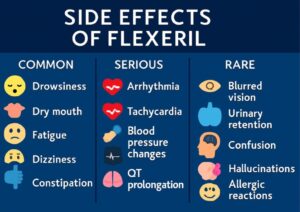
The application of Flexeril (cyclobenzaprine) as a muscle relaxant posed serious risks to cardiac health. Its strong effects on cardiovascular well-being could disrupt the heartbeat, leading to arrhythmias or tachycardia. A faster heart rate often exacerbates pre-existing heart ailments, especially in older patients with prior heart disease. In rare cases, serious cardiac complications have been reported, particularly in individuals with existing heart conditions or when used alongside interacting medications.
- Blood pressure fluctuations and QT interval prolongation were common, both linked to heart rhythm disorders.
- Patients on other drugs faced drug interactions that could interact negatively, raising cardiac risks and additional medical issues.
- Higher risk groups included the elderly, pre-existing heart patients, and those with more than one illness, making administration a peril for some.
Apart from these cardiac complications, Flexeril carried other serious side effects. Serotonin syndrome could occur when used with antidepressants or certain medications that alter serotonin levels, sometimes requiring emergency medical attention. Anticholinergic effects such as dry mouth, blurred vision, and urinary retention reduced quality of life and could trigger further problems. These effects had the potential to impact patients in life-threatening ways.
8. Potential for Misuse with Long-Term or Improper Use
Controlled substance status does not apply to Flexeril; it is not a controlled substance. Its chemical structure is similar to tricyclic antidepressants, which raises concern. Because it is sedative and calming, some people have abused it instead of using it as a muscle relaxer.
- Mixing with alcohol or opioids can greatly increase sedative effects and cause harmful interactions.
- Users have mixed Flexeril with other drugs for euphoric purposes, creating serious health jeopardy.
- Watch for signs like taking more than the recommended dose or using without a valid prescription.
- Using Flexeril beyond the recommended short-term period may increase the risk of tolerance or misuse, particularly without medical supervision.
9. Is Cyclobenzaprine (Flexeril) Addictive?
Flexeril is not considered physically addictive in the way opioids or benzodiazepines are. However, prolonged or high-dose use may lead to tolerance or psychological dependence in some individuals. Symptoms reported after stopping are typically mild and vary by person.
10. Warning Signs of Flexeril Misuse
Physical and psychological warning signs
Watch for excessive sedation, drowsiness, slurred speech, and confusion after taking Flexeril (cyclobenzaprine).
Hallucinations, seizures, and respiratory depression are serious effects that need urgent care.
Prolonged use may increase the risk of tolerance or discomfort after stopping, particularly without medical supervision.
Behavioral indicators
Look for doctor shopping, asking for extra prescriptions, or taking more pills than advised.
Crushing or snorting pills, or thinking about the drug all the time, signals misuse.
Compulsive use after an injury heals, lying, or social withdrawal show growing dependence.
When to intervene
If someone uses Flexeril longer than prescribed, consult a healthcare professional promptly.
Combining with alcohol or other drugs raises overdose and cardiac arrest risk.
Any rapid heart rate, dangerously low blood pressure, or coma needs immediate medical attention.
11. Is Flexeril an Opioid?
No, Flexeril is not an opioid; it belongs to a different class of drugs called skeletal muscle relaxants. Its chemical structure is closer to tricyclic antidepressants, and it is classified as centrally acting. While used to treat spasms, it can still cause sedation, dependency, and has potential for misuse. The risk of addiction is lower than opioids, but the drug may work differently and still present safety concerns.
12. Dangerous Drug Interactions with Cyclobenzaprine
Mixing cyclobenzaprine with other substances can be dangerous and may require close medical supervision in severe cases due to risky contraindications. These interactions can affect breathing, heart function, and mental state, making them a serious concern for patient safety.
- Alcohol may cause slow breathing, lower heart rate, and leave you too sleepy to wake up.
- Sleep pills or anxiety meds like barbiturates and benzodiazepines can stop breathing.
- Serotonin antidepressants may trigger serotonin syndrome, leading to shaking, sweating, and high blood pressure.
- MAO inhibitors can cause seizures.
- Anticholinergic drugs may worsen dry mouth, dry eyes, and constipation.
- Always inform your doctor about all medications or supplements before they prescribe anything new.
13. How Long Does Flexeril Stay in Your System?
Detection times for cyclobenzaprine can vary widely based on dosage, frequency of use, individual metabolism, and the type of drug test performed. The detection window for Flexeril (cyclobenzaprine) depends on various factors such as individual metabolism, dosage, and testing methods. On average, it generally stays in the system 4 to 5 days after the last dose, based on an 18-hour half-life.
Key Detection Times
Detection ranges are estimates and may vary based on laboratory methods and individual health factors.
- Urine: Detected for 3 to 8 days, sometimes up to 10 days.
- Blood: Detected for 3 to 10 days, usually up to 4 days.
- Saliva: Detectable for up to 36 hours.
- Hair: Detectable for up to 90 days.
Factors Influencing Elimination
- Half-life ranges 8 to 37 hours, meaning clearance can take longer for some individuals.
- Dosage & frequency: Higher frequent doses or chronic use can extend how long it stays in the body.
- Metabolism & health: Slower metabolism, older age, or impaired liver and kidney function can increase detection time.
14. Emergence of Safer and More Effective Alternatives
Patients who once relied on Flexeril for muscle pain or spasms now have alternative treatments that offer relief with fewer risks and side effects. These options include both medication alternatives and non-medication approaches, giving doctors flexibility to match the most appropriate condition with the right therapy.
Medication Alternatives
Methocarbamol (Robaxin): Often prescribed for acute muscle injuries, with less sedation so patients can remain alert during the day.
Baclofen: Effective for spinal cord injuries and neurological conditions like multiple sclerosis, as it works directly on the spinal cord to reduce muscle tension.
Tizanidine (Zanaflex): Offers a shorter duration of action, leading to fewer lingering side effects.
Non-Steroidal Anti-Inflammatory Drugs (NSAIDs): Options like ibuprofen and naproxen help reduce inflammation and pain from muscle injuries.
Non-Medication Approaches
Physical Therapy: A licensed physical therapist can address underlying causes, teach techniques, and prevent recurrence.
Heat Therapy and Cold Therapy: Applying heat relaxes tense muscles, while cold therapy helps reduce inflammation and numb pain.
Massage Therapy: Improves blood flow to injured areas, aiding healing and pain relief.
Stretching and Exercise: Regular stretching and strengthening exercises can prevent muscle spasms and lower the likelihood of injury.
Mind-Body Practices: Yoga, tai chi, and meditation reduce muscle tension from stress and improve pain management.
Holistic Approaches
Acupuncture: Helpful for ongoing pain.
Easy exercises: Swimming, walking, or simple yoga build strength safely.
Stress relief: Deep breathing and meditation support long-term recovery.
Only a doctor can select medication based on needs, medical history, and circumstances, but these options show safer paths than generic cyclobenzaprine or brand names like Fexmid, which often left patients sleepy.
16. When to Seek Medical Help
If you are experiencing muscle pain or spasms, it is important to work with healthcare professionals who can determine appropriate treatment. Always seek medical attention when pain becomes severe, keeps worsening, or if you experience muscle weakness along with other symptoms that don’t improve through rest or home care. You should also act quickly if you develop fever, redness, or swelling together with muscle pain, as these may signal serious issues.
Those with a history of substance use disorder may need extra guidance to ensure safe pain management options. Healthcare teams understand the complex relationship between physical pain and recovery and aim to support safe, individualized treatment.
17. Clinical Takeaway for Patients
Healthcare providers emphasize that Flexeril was discontinued due to safety considerations and changing prescribing practices. Patients are encouraged to discuss safer alternatives with a qualified medical professional.
Options include Methocarbamol (Robaxin), Baclofen, Tizanidine (Zanaflex), and NSAIDs like ibuprofen or naproxen. Non-medication approaches such as Physical Therapy, Heat/Cold Therapy, Massage, Exercise, and Mind-Body Practices like yoga or meditation can also be highly effective.
At Clinical Consultant Services, our team is committed to guiding patients toward safe pain management strategies, helping them find effective solutions that support overall health and recovery.
FAQs
- Why is generic cyclobenzaprine still available if Flexeril was discontinued?
Flexeril was discontinued as a brand-name product, not because the medication itself was unsafe. Generic cyclobenzaprine remains available because it is considered effective when used short term and continues to meet regulatory safety standards.
- Was Flexeril discontinued by the FDA?
No. The FDA did not ban or withdraw Flexeril for safety violations. The brand was discontinued by the manufacturer, while FDA-approved generic versions continue to be prescribed.
- Can Flexeril be used long term for chronic pain?
Flexeril is generally intended for short-term use, often no longer than a few weeks. Long-term use is not commonly recommended due to limited evidence of benefit and an increased risk of side effects.
- Why do doctors prescribe Flexeril less often today?
Prescribing habits have shifted toward medications and therapies with fewer sedating effects and lower interaction risks. Non-drug treatments and newer muscle relaxants are often preferred when appropriate.
- Does Flexeril affect the brain or nervous system?
Yes. Cyclobenzaprine works on the central nervous system to reduce muscle spasms. This is also why side effects like drowsiness, confusion, or dizziness may occur in some individuals.
