




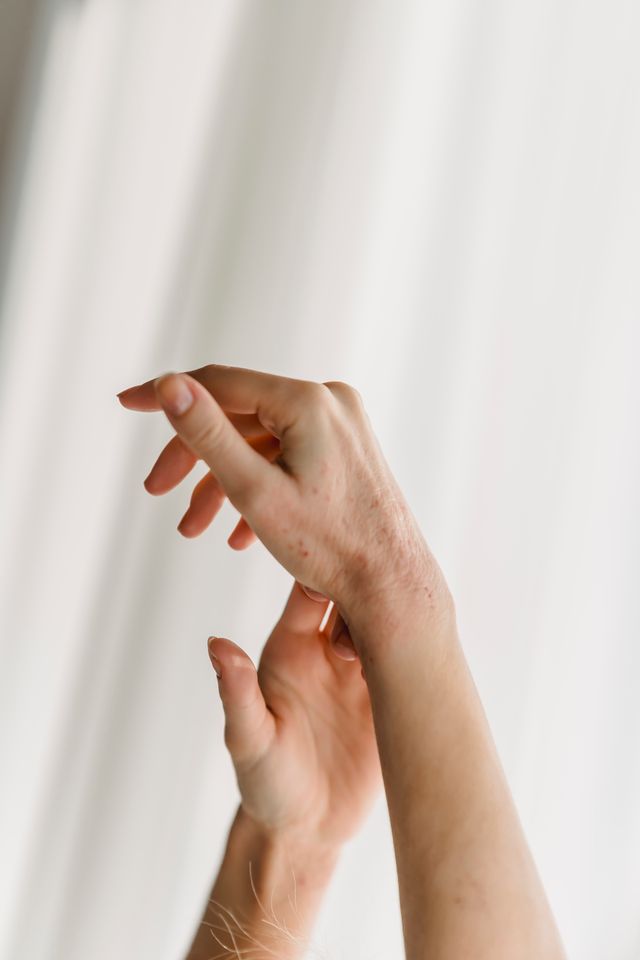
Everything You Need to Know About Eczema


Eczema is one of the most common skin conditions, affecting millions worldwide and causing persistent itching, inflammation, and significant disruption to quality of life. Understanding eczema's underlying mechanisms, recognizing its symptoms, identifying triggers, and implementing comprehensive management strategies enable individuals to control flare-ups and minimize long-term complications effectively. This comprehensive guide examines the causes and types of eczema, explores treatment options, and provides evidence-based prevention strategies for managing it across all ages and levels of severity.
Understanding Eczema: Definition and Overview
Eczema, also called atopic dermatitis, represents a chronic inflammatory skin condition characterized by itchy, dry, red, and irritated skin. While eczema typically begins during infancy or early childhood, it can develop or persist at any age. The condition proves non-contagious but significantly impacts sleep quality, emotional wellbeing, and daily functioning. Unlike many skin conditions, eczema demonstrates variable severity, sometimes becoming less severe with age, while other cases persist or intensify throughout adulthood.
The fundamental difference between eczema and other skin conditions lies in eczema's inflammatory immune response. Researchers believe eczema stems from an overactive immune system reacting excessively to harmless triggers. Additionally, many individuals with eczema lack sufficient filaggrin, which normally maintains skin moisture and health, leading to a compromised skin barrier and predisposing to eczema flare-ups.
Types of Eczema and Their Characteristics
Multiple types of eczema present distinct symptom patterns and affected body regions. Atopic dermatitis, the most common type of eczema, causes widespread dry, itchy skin and red rashes. Contact dermatitis-type eczema develops from exposure to irritating substances or allergens. Dyshidrotic eczema affects the hands and feet, with intensely itchy, fluid-filled bumps characteristic of this presentation. Nummular eczema appears as coin-shaped patches, typically on the lower legs. Stasis dermatitis, a type of eczema, develops on the lower legs due to circulatory problems.
Identifying your specific eczema type is essential because treatment varies based on the underlying cause and pattern of presentation.
Common Triggers and Causes of Eczema Flare-Ups
Eczema flare-ups occur when external and internal factors trigger an immune system overreaction. Common eczema triggers include harsh chemicals in detergents and cleansers, scented products, cigarette smoke, environmental allergens, rough fabrics, temperature extremes, stress, food allergies, and infections. Understanding personal eczema triggers enables proactive avoidance, significantly reducing flare frequency and severity.
Stress particularly exacerbates eczema symptoms through immune system activation and skin barrier dysfunction. Weather changes, especially cold, dry conditions, commonly precipitate worsening of eczema. Identifying individual eczema triggers through systematic observation helps create targeted prevention strategies.
Recognizing Eczema Symptoms and Complications
Primary eczema symptoms include intense itching, dry, cracked skin, red or brownish patches, small, fluid-filled bumps, and thick, scaly skin. Many individuals experience nighttime eczema symptom intensification, severely disrupting sleep quality. Continued scratching worsens eczema inflammation and increases the risk of infection through skin barrier breakdown.
Eczema complications can include serious infections requiring antibiotic treatment, sleep disturbances that affect daytime functioning, and an increased risk of developing asthma or hay fever. Children with eczema demonstrate elevated asthma and allergic disease risk. Thick, hardened skin develops in areas experiencing repeated eczema scratching and inflammation.
Comprehensive Treatment Approaches for Eczema
Effective eczema management typically combines multiple treatment modalities. Over-the-counter antihistamines reduce eczema-related itching by blocking allergic responses, though drowsiness may occur. Topical corticosteroid creams provide relief of eczema symptoms, with low-potency options available without a prescription for mild eczema. Prescription immunosuppressants prevent the immune overreaction characteristic of eczema, though they carry significant side effects requiring careful medical monitoring.
Phototherapy uses ultraviolet light to suppress immune responses that trigger eczema, requiring multiple treatments to improve eczema symptoms. For eczema-related infections resulting from scratching, doctors may prescribe topical or oral antibiotics.
Lifestyle Modifications Supporting Eczema Management
Stress reduction profoundly impacts eczema control, as stress-triggered immune activation exacerbates eczema symptoms. Practices such as yoga, meditation, deep breathing, and prioritizing quality sleep support eczema management by reducing stress. Cool compresses and lukewarm baths provide temporary relief from eczema symptoms.
Optimizing your sleep environment is critical for eczema management, as quality sleep supports immune system recovery and tissue repair, which are essential for controlling eczema flare-ups. Additionally, managing stress effectively through adequate rest techniques directly reduces eczema symptom severity.
Maintaining proper hydration supports skin barrier function and moisture retention, essential components of effective eczema management. Drinking adequate water throughout the day supports skin health and reduces eczema-related dryness and irritation.
Prevention Strategies for Long-Term Eczema Control
Preventing eczema flare-ups requires systematic identification and avoidance of personal triggers. Using dye and scent-free products throughout personal care routines minimizes eczema irritation. Limiting showers to 10 minutes with lukewarm rather than hot water helps preserve skin moisture, which is critical for eczema management. Immediately moisturizing after bathing locks in hydration before water evaporates.
Avoiding scratching, despite intense eczema-related urges, prevents the cycle of inflammation and infection. Wearing soft, breathable fabrics prevents eczema irritation caused by rough clothing. Keeping fingernails short reduces unintentional eczema damage during sleep, when conscious control of scratching diminishes.
When to Seek Professional Medical Care for Eczema
Consulting healthcare providers becomes necessary when home eczema management proves ineffective, symptoms significantly worsen, or eczema sleep disruption impacts daily functioning. Signs indicating the need for a professional eczema evaluation include unresponsiveness to over-the-counter treatments, weeping or blistering skin, persistent thick scaling, or signs of eczema-related infection.
Conclusion
Eczema is a manageable chronic condition when treatment strategies address individual patterns and triggers. While no cure exists for eczema, comprehensive approaches combining lifestyle modifications, stress management, sleep optimization, proper hydration, and medical treatments effectively control eczema symptoms and prevent complications. By understanding eczema's mechanisms and implementing personalized prevention and treatment strategies, individuals with eczema achieve significant symptom improvement and improved quality of life.