




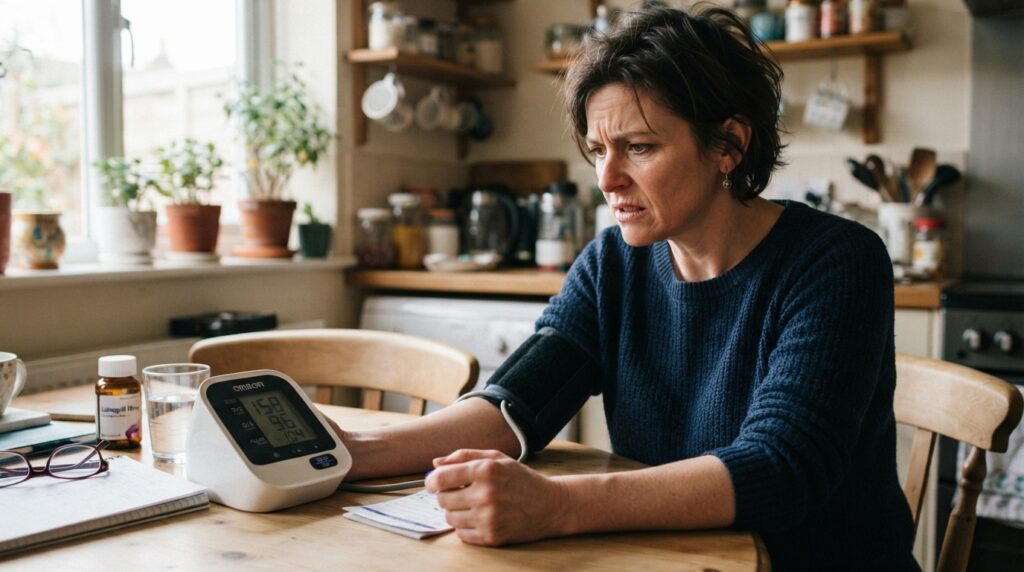
Can Stress Cause High Blood Pressure? Understanding the Connection


Stress is a normal response to challenging situations, but it can produce noticeable physical changes, including a temporary rise in blood pressure. When you feel stressed, your body releases hormones such as adrenaline and cortisol that prepare you to respond to a perceived threat. If you regularly experience stress, you may wonder, can stress cause high blood pressure or contribute to hypertension over time?
The relationship is more complicated than a simple yes or no. Short-term stress can temporarily raise blood pressure, while chronic stress may indirectly contribute to cardiovascular risk through sleep problems, inactivity, unhealthy eating, alcohol use, and other behaviors. Understanding high cortisol symptoms can also provide context for how prolonged stress-hormone activity may affect the body.
How Does Stress Raise Blood Pressure?
When you experience stress, your body activates its fight-or-flight response.
Hormones such as adrenaline can cause:
- Your heart to beat faster
- Your heart to pump more forcefully
- Blood vessels to narrow
- Blood pressure to rise temporarily
Once the stressful situation passes, the body's stress response generally settles and blood pressure can move back toward its usual level.
This temporary increase is different from having chronic hypertension.
Can Stress Cause High Blood Pressure?
Stress can cause a temporary increase in blood pressure, but stress alone is not generally considered a direct cause of chronic hypertension.
Repeated or prolonged stress may contribute indirectly to higher cardiovascular risk. For example, someone experiencing chronic stress may:
- Sleep poorly
- Exercise less
- Eat more high-sodium or highly processed foods
- Drink more alcohol
- Smoke
- Gain weight
These factors can contribute to persistently elevated blood pressure.
Therefore, managing stress is useful for overall health, but it should not replace medical treatment for diagnosed hypertension.
What Happens to Blood Pressure During Stress?
During an acute stressful event, the sympathetic nervous system becomes more active.
Your heart may pump more blood, while some blood vessels narrow. Together, these changes can cause blood pressure to rise.
You might also notice:
- A racing heartbeat
- Sweating
- Muscle tension
- Faster breathing
- Shaking
- Feeling restless
These physical responses are normal parts of the body's stress reaction.
Once you feel safe and relaxed again, these effects generally decrease.
Can Anxiety Cause High Blood Pressure?
Anxiety can temporarily increase blood pressure.
Someone who feels anxious about a medical appointment, work situation, financial problem, or another stressful event may see a higher reading than usual.
Repeated anxiety can also lead to frequent blood pressure spikes.
However, a temporary increase during anxiety does not necessarily mean you have chronic hypertension.
If your readings remain elevated when you are calm and resting, discuss them with a healthcare professional.
Can Chronic Stress Affect Blood Pressure?
Long-term stress may make healthy blood-pressure management more difficult.
Chronic stress can affect behaviors and routines that influence cardiovascular health.
For example, ongoing stress may interfere with:
- Sleep
- Exercise
- Nutrition
- Weight management
- Medication adherence
Poor sleep is particularly important because inadequate or disrupted sleep can affect blood pressure regulation. Persistent sleep debt symptoms may indicate that your body is not getting enough restorative sleep.
Can Stress Cause Morning High Blood Pressure?
Stress may contribute to higher morning readings, but it is not the only possible explanation.
Blood pressure naturally changes throughout the day, and hormones increase around the time you wake up.
Other possible contributors include:
- Poor sleep
- Sleep apnea
- Caffeine
- Medication timing
- Dehydration
- Existing hypertension
If you regularly notice elevated readings after waking, learning about why blood pressure is high in the morning may help you understand some of the potential factors.
How Can You Tell if Stress Is Affecting Your Blood Pressure?
A single blood pressure reading cannot tell you whether stress is responsible.
Instead, look for patterns.
You can record your blood pressure:
- When you are calm
- During stressful periods
- Before and after relaxation
- At approximately the same times each day
Make sure you use proper measurement technique and remain seated quietly before taking a reading.
A pattern of elevated readings even when you are relaxed may indicate that something other than temporary stress is contributing.
How to Measure Blood Pressure at Home
Accurate measurement is important when monitoring blood pressure.
Before taking a reading:
- Avoid exercise, caffeine, and smoking for about 30 minutes.
- Empty your bladder.
- Sit quietly for at least five minutes.
- Keep your back supported.
- Place both feet flat on the floor.
- Rest your arm at heart level.
- Use an appropriately sized upper-arm cuff.
- Take more than one reading and record the results.
Following the same routine each time makes your readings easier to compare.
Can Relaxation Lower Blood Pressure?
Relaxation can help reduce the temporary effects of stress.
Possible techniques include:
- Slow breathing
- Meditation
- Progressive muscle relaxation
- Gentle stretching
- Walking
- Yoga
- Spending time outdoors
- Limiting unnecessary sources of stress
These approaches may help lower stress-related blood pressure elevations, but they should not replace prescribed hypertension treatment.
Exercise and Stress Management
Regular physical activity can benefit both stress management and cardiovascular health.
Examples include:
- Walking
- Swimming
- Cycling
- Strength training
- Dancing
Exercise may help improve cardiovascular fitness, sleep, and mood.
If you have very high blood pressure or significant cardiovascular symptoms, talk with a healthcare professional before beginning a vigorous exercise program.
Can Stress Affect Heart Rate Too?
Yes. Stress can increase heart rate as part of the body's fight-or-flight response.
Some people may notice:
- Racing heartbeat
- Pounding heartbeat
- Fluttering
- Increased awareness of their pulse
These sensations can sometimes occur alongside elevated blood pressure.
If you experience frequent palpitations, especially with dizziness, fainting, chest pain, or shortness of breath, medical evaluation is appropriate.
When Should You See a Doctor?
Talk with a healthcare professional if your blood pressure is repeatedly elevated, even when you are calm.
You should also seek medical advice if you have:
- Frequent headaches
- Dizziness
- Recurrent palpitations
- Shortness of breath
- Chest discomfort
- Unexplained fatigue
- Consistently high home readings
High blood pressure often causes no noticeable symptoms, so regular measurement is important.
When Is High Blood Pressure an Emergency?
Extremely high blood pressure accompanied by serious symptoms requires emergency medical attention.
Seek immediate care for symptoms such as:
- Chest pain
- Severe shortness of breath
- Severe headache
- Confusion
- Weakness or numbness
- Difficulty speaking
- Vision changes
- Loss of consciousness
Do not assume that severe symptoms are simply caused by stress.
Conclusion
So, can stress cause high blood pressure? Stress can definitely cause blood pressure to rise temporarily because stress hormones increase heart activity and can narrow blood vessels. However, temporary stress-related increases are different from chronic hypertension.
Long-term stress may indirectly contribute to cardiovascular risk by affecting sleep, physical activity, eating habits, alcohol use, and other behaviors. Managing stress can therefore be an important part of a healthy lifestyle, but persistent high blood pressure still requires proper medical evaluation.
If you regularly experience elevated readings, especially in the morning, understanding why blood pressure is high in the morning can help you consider other possible contributors. Keep a record of your readings and discuss persistent elevations with a healthcare professional.
Frequently Asked Questions
Can Stress Temporarily Raise Blood Pressure?
Yes. Stress hormones can temporarily increase heart rate and blood pressure. The reading may return toward normal after the stressful situation passes.
Can Chronic Stress Cause Permanent High Blood Pressure?
Chronic stress may contribute indirectly to hypertension and cardiovascular risk, but it is not considered the sole cause of persistent high blood pressure.
Does Anxiety Raise Blood Pressure?
Anxiety can temporarily raise blood pressure by activating the body's stress response. Repeated elevated readings when calm should be discussed with a healthcare professional.
Can Stress Cause High Blood Pressure at Night?
Stress can contribute to nighttime blood pressure changes, particularly when it interferes with relaxation or sleep. Sleep disorders and other medical factors can also affect nighttime blood pressure.
Can Stress Cause High Blood Pressure in the Morning?
It can contribute, but morning blood pressure is also affected by natural hormonal changes, sleep quality, medication timing, caffeine, and other factors.
How Can I Lower Stress-Related Blood Pressure?
Regular physical activity, adequate sleep, relaxation techniques, healthy eating, and reducing sources of chronic stress may help support healthier blood pressure.
Should I Check My Blood Pressure When I Feel Stressed?
You can, but one stressful reading does not establish whether you have hypertension. Tracking readings under consistent resting conditions provides more useful information.
When Is High Blood Pressure Dangerous?
Very high blood pressure accompanied by chest pain, severe breathing difficulty, confusion, weakness, speech problems, vision changes, or loss of consciousness requires emergency medical attention.
