




Is Your Bedroom Ruining Your Sleep? Fix These 2 Things


Most people focus exclusively on sleep duration, overlooking how profoundly sleep environment influences sleep quality and health outcomes. Creating an optimal sleep environment represents one of the most effective yet underutilized strategies for improving sleep quality. Temperature and lighting within your sleep environment fundamentally determine whether your body achieves the deep, restorative sleep necessary for cognitive function, immune health, and emotional regulation. This comprehensive guide reveals the science behind optimizing your sleep environment and provides actionable strategies for transforming your bedroom into a sleep-promoting sanctuary.
The Science of Sleep Environment
Your body's sleep-wake cycle, circadian rhythm, responds powerfully to environmental cues, particularly temperature and light. The sleep environment you create either supports or undermines your natural biological drive toward quality sleep. Understanding how your sleep environment affects physiological processes enables deliberate design supporting optimal rest.
Temperature: The Foundation of Sleep Environment Quality
Scientific research consistently identifies temperature as the most critical factor in the sleep environment. Your body requires a core temperature reduction to initiate sleep, with an optimal sleep-environment temperature ranging from 60-67°F (15-19°C), though individual preferences vary. This cooler sleep environment temperature aligns with your body's natural thermoregulation during sleep.
A sleep environment that's too warm triggers restlessness, frequent awakenings, and reduced deep sleep duration. Conversely, excessively cold sleep environment temperatures cause discomfort and shivering, preventing restorative sleep. Many people overlook this sleep environment factor, assuming discomfort results from other causes rather than recognizing suboptimal sleep environment temperature.
Achieving optimal sleep environment temperature requires multiple approaches. Thermostat settings should target the recommended 60-67°F range, yet individual sleep environment needs vary based on metabolism, bedding, and personal preference. Investing in quality bedding, breathable sheets, and an appropriate blanket weight substantially impacts the comfort of the sleep environment. Additionally, wearable sleep-environment regulators, such as cooling mattress toppers or heated blankets, enable customization of the sleep environment.
Lighting: Sculpting Your Sleep Environment for Darkness
Darkness proves equally critical to sleep environment optimization as temperature. Light exposure suppresses melatonin production, the hormone that drives sleepiness, making light management essential for the quality of the sleep environment. An optimal sleep environment features darkness, meaning minimal visible light, significantly below typical indoor illumination levels.
Light sources that corrupt your sleep environment include streetlights entering through windows, electronic device screens, and bedroom ambient lighting. A complete sleep environment requires darkness; blackout curtains may be needed to block light that can prevent deep sleep. Studies demonstrate that a sleep environment with minimal light increases melatonin production by 50-100% compared to normal bedroom conditions.
Furthermore, the quality of the sleep environment's lighting matters beyond darkness. Blue light from smartphones, tablets, and computers suppresses melatonin production more severely than other wavelengths. Avoiding screens for 1-2 hours before sleep or using blue-light-filtering glasses helps preserve the melatonin-supporting quality of your sleep environment. Evening lighting in your sleep environment should use warm, dim illumination that minimizes blue wavelengths.
The Synergistic Sleep Environment Effect
Temperature and lighting operate synergistically within your sleep environment. A cool sleep environment, paired with darkness, produces superior sleep quality compared to either factor alone. This combination of sleep-environment signals signals your body that nighttime has arrived, triggering cascading physiological changes that promote deep sleep.
Practical Sleep Environment Optimization Strategies
Blackout Solutions for Sleep Environment
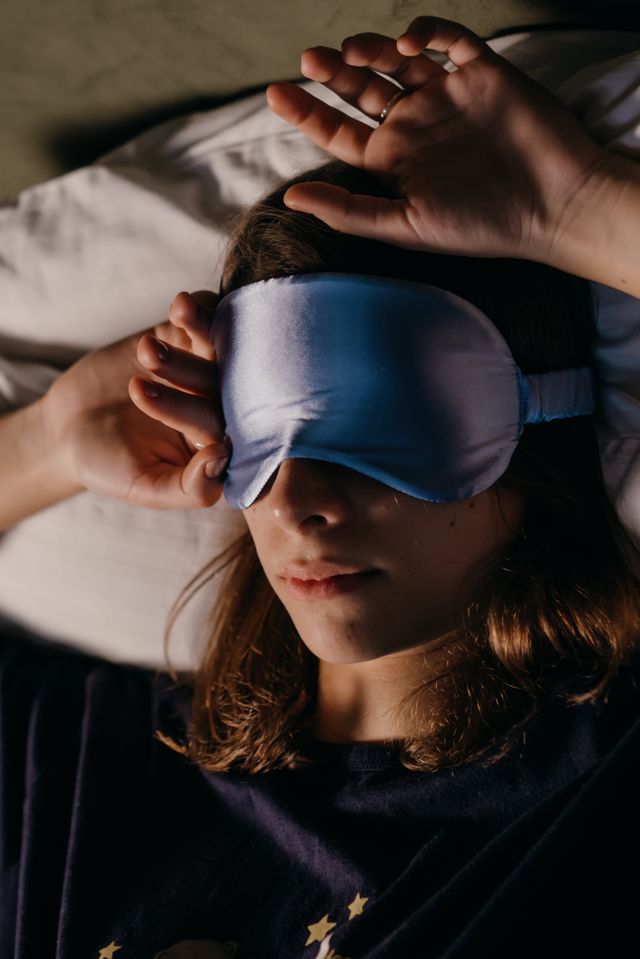
Blackout curtains represent the most effective solution for creating a dark sleep environment, blocking 95-99% of external light. For renters unable to install permanent sleep-environment modifications, portable blackout solutions, such as blackout panels or specialized sleep-environment eye masks, offer alternatives. Every percentage point of light eliminated from your sleep environment improves melatonin production and sleep depth.
Temperature Control in Sleep Environment
Establish your sleep environment temperature with programmable thermostats, lowering the temperature 30-60 minutes before bedtime to allow your body's natural cooling response. If central climate control is unavailable, portable sleep-environment cooling units or heated/cooling mattress pads enable customization of the sleep environment. Many people discover that the optimal sleep environment temperature differs from their daytime preference; accepting a cooler sleep environment temperature significantly improves sleep quality.
Seasonal Sleep Environment Adjustments
Sleep environment requirements shift seasonally. Summer months demand cooling strategies for the sleep environment, such as fans, cooling pads, or lighter bedding, to maintain an optimal sleep environment temperature. Winter requires a sleep environment with insulation to prevent excessive cooling while maintaining the essential cool-sleep temperature range. Recognizing seasonal changes in sleep environments helps prevent the sleep disruption many people experience when transitioning between seasons.
Additional Sleep Environment Factors
Beyond temperature and lighting, several elements of the sleep environment contribute to optimal rest. White noise or ambient sound masks disruptive sleep environment noise, particularly valuable in urban sleep environments. Humidity between 30-50% creates an ideal sleep environment, preventing a dry throat and congestion that can disrupt sleep. Minimizing odors and allergens in the sleep environment prevents respiratory disruption during sleep.
Taking Action on Sleep Environment Optimization
Assess your current sleep environment and identify any temperature and lighting issues. Start with a dark sleep environment and install blackout curtains or eye masks immediately. Next, adjust the temperature of the sleep environment toward the optimal 60-67°F range and observe how this change affects your sleep quality.
After establishing baseline improvements in the sleep environment, progressively refine other sleep environment factors based on personal response. Most individuals experience noticeable improvements in sleep quality within one week of deliberate optimization of the sleep environment, demonstrating how profoundly it influences rest. Your sleep environment represents one of the highest-return investments you can make toward health and wellbeing.