




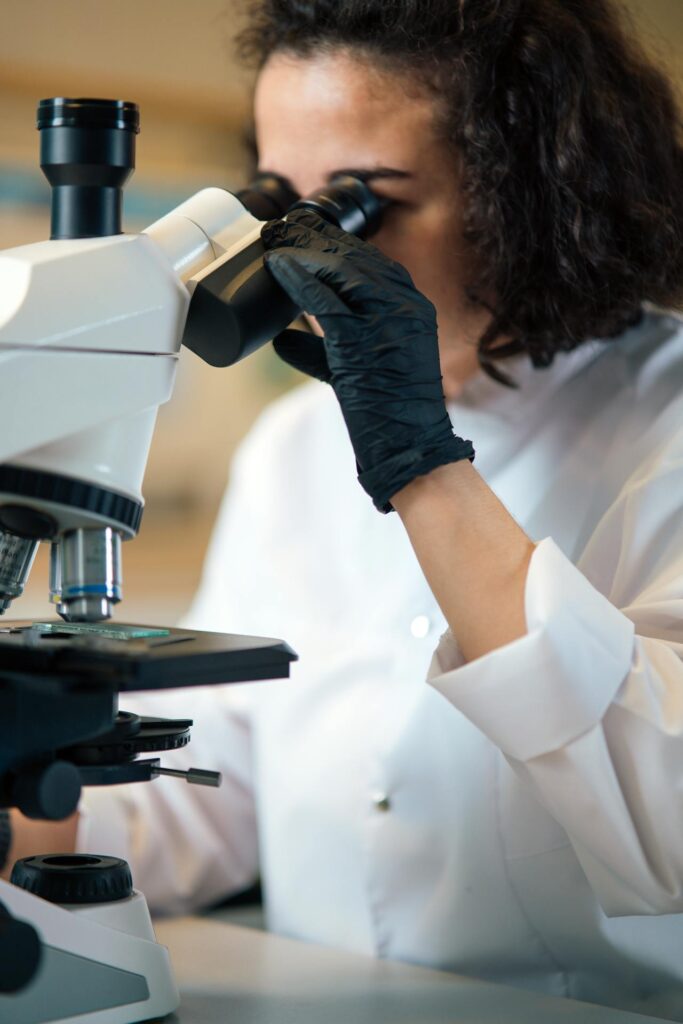
Division of Health Sciences: Fields, Importance, and Career Opportunities


The division of health sciences plays a vital role in modern healthcare by combining different scientific disciplines to improve human health. It includes a wide range of fields that focus on prevention, diagnosis, treatment, and overall well-being. Understanding this field helps students and professionals see how healthcare systems function effectively.
What Is the Division of Health Sciences?
The division of health sciences refers to a broad academic and professional area that covers multiple healthcare-related disciplines. It brings together fields such as medicine, nursing, public health, and biomedical science to improve patient outcomes and research.
Key Fields in Health Sciences
Medicine and Clinical Practice
This area focuses on diagnosing and treating diseases through medical expertise.
Nursing and Patient Care
Nurses provide essential care and support within healthcare systems.
Public Health
Public health focuses on preventing disease and promoting community wellness.
Biomedical Sciences
This field studies biological processes to develop new treatments and technologies.
Allied Health Professions
Includes physiotherapy, radiology, and laboratory roles that support patient care.
Importance of the Division of Health Sciences
The division of health sciences is essential for improving healthcare systems and outcomes.
Improving Patient Care
It ensures better diagnosis, treatment, and recovery processes.
Advancing Research
Innovations in healthcare often come from research in this field.
Disease Prevention
Public health efforts help reduce illness and improve quality of life.
Healthcare Innovation
New technologies continue to transform modern medicine.
Career Opportunities
There are many career paths within the division of health sciences.
Clinical Careers
Doctors, nurses, and pharmacists play key roles in patient care.
Research Careers
Scientists and researchers develop new medical solutions.
Public Health Careers
Professionals work to improve community health and prevent disease.
Support Roles
Healthcare administrators and technicians ensure smooth operations.
Skills Required
Working in healthcare disciplines requires important skills.
- Communication
- Critical thinking
- Problem-solving
- Attention to detail
- Compassion
These skills help professionals succeed in the division of health sciences.
Education and Training
Entering the division of health sciences requires proper education and experience.
Academic Programs
Degrees in health sciences, medicine, or related fields provide the foundation.
Practical Training
Internships and clinical experience are essential for skill development.
Challenges in Healthcare Fields
Despite its importance, this field faces several challenges.
- Staff shortages
- High workload
- Rapid technological changes
- Rising healthcare costs
Addressing these issues is important for future growth.
Future of the Division of Health Sciences
The future of the division of health sciences is promising as new technologies and innovations continue to emerge.
- Growth of artificial intelligence
- Expansion of telemedicine
- Focus on preventive care
- Personalized treatment approaches
These trends will shape the future of healthcare.
Conclusion
The division of health sciences is a broad and essential field that supports all aspects of healthcare. From patient care to research and innovation, it plays a critical role in improving lives. Understanding its structure and opportunities helps individuals make informed decisions about careers and healthcare.
Frequently Asked Questions (FAQs)
1. What is the division of health sciences?
It is a field that includes multiple healthcare disciplines focused on improving health.
2. What careers are included?
Doctors, nurses, researchers, and healthcare administrators.
3. Why is it important?
It improves patient care, research, and disease prevention.
4. What skills are needed?
Communication, problem-solving, and attention to detail.
5. What education is required?
Degrees in health sciences or related fields.
6. Is it a good career choice?
Yes, it offers stable and diverse opportunities.
7. What are the challenges?
Workload, staffing issues, and evolving technology.
8. What is the future of this field?
Growth in technology, research, and preventive care.
