




Swipe Left on Burnout: How to Overcome Dating App Fatigue


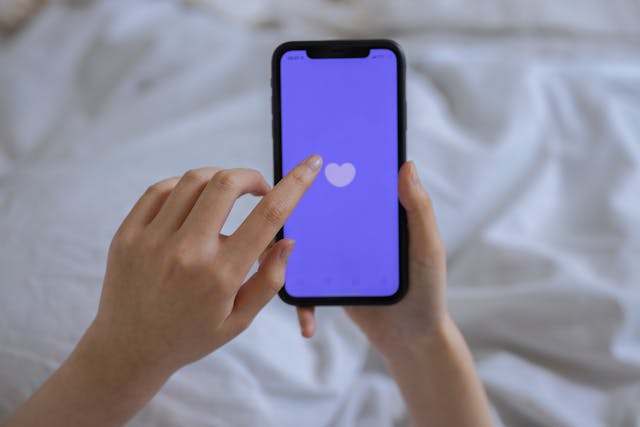
It’s 11:30 PM on a Tuesday. You’re lying in bed, the blue light of your smartphone illuminating your face. You promised yourself you wouldn’t do this tonight, but here you are. You open the app, see a profile. Swipe left. Another profile. Swipe right. A match! You wait. Ten minutes pass. No message. You check again. Nothing. You close the app, feeling a strange mix of disappointment, exhaustion, and a hollow craving for dopamine. Does this feel familiar? You are experiencing a widespread modern phenomenon known as dating app fatigue.
For the past decade, dating apps promised us a world of endless possibilities. They promised efficiency, choice, and the perfect partner algorithmically selected just for us. But for many, the result has been decision paralysis, superficial connections, and a profound sense of burnout. In this article, we will explore what dating app fatigue is, the psychology behind why it hurts, and how you can reclaim your love life both on and offline.
What is Dating App Fatigue?
Dating app fatigue is more than just being bored; it is a state of emotional, mental, and sometimes physical exhaustion caused by prolonged use of dating platforms. It manifests as cynicism toward the process, a feeling of hopelessness regarding finding a partner, and a specific kind of brain fog that comes from making rapid-fire judgments on strangers.
According to relationship experts, this fatigue often stems from the commodification of human connection. When potential partners are reduced to profile photos and two-sentence bios, the nuance of human attraction is lost. We begin to treat people like products in a catalog, returning them when they don't arrive perfect.
The Psychology Behind the Burnout
To fix the problem, we have to understand the mechanics of why it happens. Dating apps are not just social tools; they are carefully engineered products designed to keep you hooked.
The Dopamine Loop
Dating apps operate on a variable reward schedule, similar to slot machines. When you match with someone, your brain releases a hit of dopamine. However, because matches are unpredictable, you are compelled to keep swiping. This creates a cycle where the pursuit of a match becomes more addictive than the actual interaction with a person.
The Paradox of Choice
Psychologist Barry Schwartz coined the term The Paradox of Choice. His theory suggests that while we think having more options makes us freer, it actually makes us more anxious and paralyzed.
In the pre-app era, you might have dated someone from your town or your social circle because they were "good enough." On apps, you are presented with thousands of potential partners. This leads to the mindset that there is always someone better just a swipe away. Consequently, relationships that might have potential are discarded prematurely because of a minor flaw, driven by the fear of missing out (FOMO).
Signs You Are Suffering from Dating App Fatigue
Recognizing the symptoms is the first step toward recovery. You might be suffering from dating app fatigue if you:
- Feel nothing when you match: The initial excitement has been replaced by indifference or annoyance.
- Find conversations feeling like homework: Replying to messages feels like a chore you have to do rather than a conversation you want to have.
- Become cynical: You assume everyone is lying, catfishing, or wasting your time before you even say hello.
- Experience ghosting grief deeply: Being dropped without explanation has become the norm, but it still chips away at your self-esteem.
- Compare yourself constantly: Seeing perfect profiles makes you feel inadequate or unattractive.
The Mental Health Impact
The toll of dating app fatigue extends beyond simple annoyance; it can significantly impact mental health. Studies have shown a correlation between heavy dating app usage and symptoms of depression, social anxiety, and body dysmorphia.
The constant rejection, or worse, silence, creates a feeling of invisibility. Furthermore, the gamified nature of these apps can lower self-esteem, as users internalize the “swipe left" action as a rejection of their worth as a human being, rather than a simple lack of compatibility.
How to Reset Your Digital Dating Life
If you are ready to break the cycle, you don't necessarily have to delete every app and move to a cabin in the woods. However, you do need to change your strategy.
Take a Radical Detox
The most effective way to cure burnout is to stop the source. Delete the apps for a set period—try two weeks or a month. Reclaim your thumb space and your attention span. Use this time to reconnect with hobbies, friends, and yourself. Remember, a relationship should add to your life, not be the only thing in it.
Limit Your Swiping Window
If you choose to redownload the apps, set strict boundaries. Don’t check them first thing in the morning or last thing at night. Dedicate 20 minutes a day to browsing, then close the app. Treat it like an errand, not a constant stream of entertainment.
Shift from Passive to Active
Passive swiping is the enemy. Instead of waiting for a mutual match to message, take the initiative. If you match with someone and are interested, send a message. If the conversation drags on for days without a plan to meet, end it. Move from the digital realm to the real world as quickly as possible. Text chemistry is often a poor indicator of real-world chemistry.
Meeting People Offline: The "Irl" Renaissance
The cure to app fatigue is often found in the real world. Meeting people organically may seem daunting in a digital age, but it is often more fulfilling because it is based on shared context rather than just looks.
- Pursue Interests, Not Partners: Join a club, a running group, a pottery class, or a volunteer organization. When you focus on an activity you love, you automatically meet people with whom you share a common bond. This removes the pressure of "dating" and allows connection to happen naturally.
- The Warm Approach: A cold approach (talking to a stranger in a bar) can be intimidating. A warm approach—talking to a friend of a friend or someone at a party—is much easier. Lean on your existing social network.
- Be Present: When you are out in the world, keep your phone in your pocket. You cannot spot a potential partner across the room if you are scrolling through potential partners on a screen.
Conclusion
Dating app fatigue is a sign that the current model of digital courtship is broken for many of us. It asks too much of our attention and gives too little in return. By recognizing the psychological traps of the Paradox of Choice and the dopamine loop, we can take back control.
Whether you decide to tweak your app habits, take a hiatus, or dive fully into the world of offline dating, the goal remains the same: to find connection that feels human, not algorithmic. Remember, love is not a game to be won; it is an experience to be shared. Don't let a screen come between you and the life and the love you deserve.
Frequently Asked Questions
Is dating app fatigue normal?
Yes, absolutely. Studies suggest that a large percentage of users feel cynical, exhausted, or burned out by dating apps. It is a widely recognized side effect of modern digital dating culture.
How long should I take a break from dating apps?
Most experts recommend at least two to four weeks. This gives your brain enough time to reset its dopamine reward system and helps you break the habit of checking the apps out of boredom.
Are dating apps actually bad for mental health?
They aren't inherently "bad," but they can trigger anxiety, depression, and lowered self-esteem in some users due to the nature of rejection, ghosting, and superficial judgment. If you notice your mood declining, it’s time to log off.
Can you still find love without dating apps?
Yes. While apps are a common tool today, the majority of relationships still begin through mutual friends, work, school, or shared activities. Putting energy into your offline life often yields higher-quality connections.
What is micro-cheating and does it relate to app fatigue?
Micro-cheating refers to small actions that border on infidelity, such as keeping a dating app profile active while in a relationship. Sometimes, people keep profiles active not to cheat, but out of a fear of missing out or addiction to the validation, which can be a lingering symptom of app fatigue even after finding a partner.
