




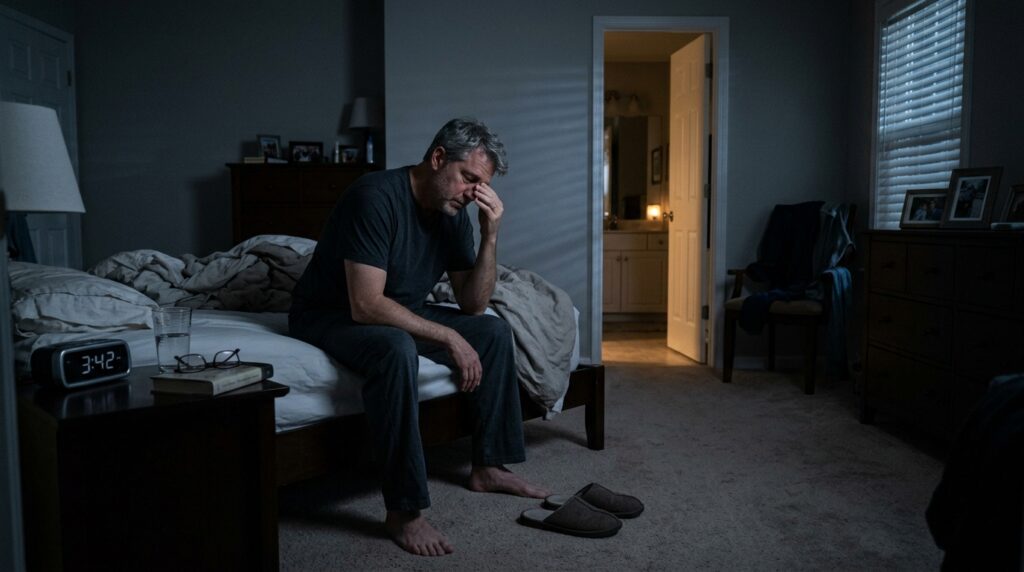
Frequent Urination at Night: Causes, Symptoms, and What to Do


Waking up once during the night to use the bathroom can happen occasionally, especially after drinking a lot of fluids before bed. However, frequent urination at night can become frustrating when it happens repeatedly and interrupts your sleep. The causes range from evening habits and medications to bladder problems, diabetes, pregnancy, and sleep disorders. If you also have persistent thirst, understanding why you may be thirsty all the time can provide useful context because the two symptoms can sometimes occur together.
What Is Frequent Urination at Night?
Frequent urination at night is also called nocturia. It means waking from sleep one or more times to urinate.
Occasionally getting up at night is not necessarily a problem. However, repeated bathroom trips can interfere with your sleep and leave you tired during the day.
You may notice:
- Waking up several times to urinate
- Passing a large amount of urine
- Passing only a small amount each time
- A sudden or urgent need to urinate
- Difficulty falling asleep again
- Daytime fatigue
The pattern can provide clues about the underlying cause.
What Causes Frequent Urination at Night?
There are several possible reasons for nighttime urination.
Common causes include:
- Drinking too much fluid before bed
- Caffeine
- Alcohol
- Certain medications
- Overactive bladder
- Urinary tract infections
- Diabetes
- Pregnancy
- Enlarged prostate
- Sleep apnea
- Fluid retention
Sometimes several factors contribute at the same time.
1. Drinking Too Much Before Bed
One of the simplest explanations is drinking a large amount of fluid during the evening.
Your bladder continues filling while you sleep. If you drink several glasses of water shortly before bedtime, you may need to get up during the night.
Try spreading your fluid intake throughout the day instead of drinking most of it in the hours before bed.
However, do not severely restrict fluids just to avoid nighttime urination.
2. Caffeine and Alcohol
Caffeine can increase urine production and may also make the bladder more sensitive.
Coffee, tea, energy drinks, and some soft drinks can therefore contribute to nighttime bathroom trips.
Alcohol may have a similar effect. It can increase urination while also disrupting normal sleep.
Reducing caffeine and alcohol later in the day may help if they are contributing to the problem.
3. Medications
Some medications can increase urine production.
Diuretics, sometimes called water pills, are a common example. They are often prescribed for high blood pressure or fluid retention.
Other medications may also affect nighttime urination.
If your symptoms began after starting a new medication or changing a dose, speak with your healthcare professional. Do not change your medication schedule without medical advice.
4. Overactive Bladder
An overactive bladder can cause a sudden and frequent urge to urinate.
You may experience:
- Urgency
- Frequent daytime urination
- Nighttime urination
- Urine leakage
- Passing small amounts of urine
With an overactive bladder, you may wake up because of the urge even when your bladder contains only a small amount of urine.
5. Urinary Tract Infection
A urinary tract infection can irritate the bladder and increase the need to urinate.
Other symptoms can include:
- Burning during urination
- Strong urinary urgency
- Lower abdominal discomfort
- Cloudy urine
- Blood in the urine
- Strong-smelling urine
A UTI may cause frequent urination both during the day and at night.
Fever, chills, vomiting, or pain in the back or side may indicate a more serious infection and require prompt medical evaluation.
6. Diabetes
Diabetes can cause increased urination, including at night.
When blood glucose remains too high, the kidneys may remove excess glucose through urine. Water follows the glucose, increasing urine production.
This can lead to a cycle of:
High blood sugar → increased urination → fluid loss → increased thirst
Other symptoms may include:
- Excessive thirst
- Increased hunger
- Fatigue
- Blurred vision
- Unexplained weight loss
If you experience both persistent thirst and frequent urination, discuss blood glucose testing with a healthcare professional.
7. Pregnancy
Pregnancy can increase the need to urinate.
Hormonal changes and increased blood volume can increase urine production. As pregnancy progresses, pressure from the growing uterus can also affect the bladder.
Nighttime urination may become particularly noticeable because it interrupts sleep.
Frequent urination can be normal during pregnancy, but burning, fever, pelvic pain, or blood in the urine should be evaluated.
8. Enlarged Prostate
For men, an enlarged prostate can contribute to nighttime urination.
As the prostate becomes larger, it can affect urine flow from the bladder.
Possible symptoms include:
- Difficulty starting urination
- Weak urine stream
- Dribbling
- Feeling that the bladder has not emptied completely
- Urgency
- Frequent nighttime urination
These symptoms should be evaluated because several prostate and urinary conditions can cause similar problems.
9. Sleep Apnea
Sleep apnea can sometimes contribute to frequent nighttime urination.
Obstructive sleep apnea causes repeated interruptions in breathing during sleep. These episodes can affect the body's normal hormonal and cardiovascular responses and may increase urine production.
You may also notice:
- Loud snoring
- Gasping during sleep
- Morning headaches
- Daytime sleepiness
- Difficulty concentrating
If you regularly wake to urinate and also have loud snoring or daytime sleepiness, speak with a healthcare professional about possible sleep apnea.
10. Fluid Retention
Fluid can accumulate in the legs during the day.
When you lie down at night, some of this fluid returns to the bloodstream. Your kidneys may then remove more of it, increasing urine production.
You may notice:
- Swollen ankles
- Leg swelling
- Tight shoes by evening
- Heaviness in the legs
Fluid retention can have several causes, including heart, kidney, liver, and circulation-related problems.
Persistent swelling together with frequent nighttime urination should be medically evaluated.
Why Do I Pee More at Night Than During the Day?
The answer partly depends on whether your body is producing too much urine or whether your bladder is waking you frequently.
For example, drinking a large amount of fluid before bed can increase urine production.
An overactive bladder may instead cause repeated urges even when only a small amount of urine is present.
Sleep can also play a role. Sometimes you wake for another reason and then decide to use the bathroom because you are already awake.
Keeping a record of your nighttime bathroom trips can help identify the pattern.
Can Frequent Urination at Night Affect Sleep?
Yes. Repeated bathroom trips can interrupt your sleep cycle.
Even if you fall back asleep quickly, frequent awakenings can reduce the amount of uninterrupted sleep you get.
Over time, this may contribute to:
- Daytime fatigue
- Irritability
- Difficulty concentrating
- Low energy
- Poor mood
If nighttime urination is consistently leaving you exhausted, addressing the underlying cause may improve both your bladder symptoms and sleep.
How Can You Reduce Nighttime Urination?
Simple changes may help when lifestyle factors are responsible.
Spread Out Your Fluids
Drink regularly throughout the day rather than consuming large quantities immediately before bedtime.
Limit Evening Caffeine
Try reducing coffee, tea, energy drinks, and other caffeinated beverages later in the day.
Reduce Alcohol
Avoiding or limiting alcohol in the evening may reduce nighttime urination and improve sleep quality.
Use the Bathroom Before Bed
Emptying your bladder shortly before going to sleep may reduce the likelihood of an early nighttime bathroom trip.
Review Your Medications
If you take a diuretic or another medication that increases urination, ask your healthcare professional whether the timing could be contributing.
Address Leg Swelling
If fluid retention is contributing, your healthcare professional may recommend strategies such as daytime leg elevation or other treatments depending on the underlying cause.
How Is Frequent Urination at Night Diagnosed?
Your healthcare professional may ask about:
- How many times you wake each night
- How much urine you pass
- Your daytime urination pattern
- Evening fluid intake
- Caffeine and alcohol
- Medications
- Bladder symptoms
- Snoring and sleep quality
- Other medical conditions
A bladder diary can be particularly useful.
For several days, record:
- What you drink
- When you drink
- When you urinate
- Approximately how much urine you pass
- How many times you wake overnight
Depending on your symptoms, testing may include urine tests, blood glucose testing, kidney function tests, prostate evaluation, or assessment for sleep disorders.
When Should You See a Doctor?
Make an appointment if nighttime urination:
- Happens regularly
- Is getting worse
- Disrupts your sleep
- Occurs with daytime urinary symptoms
- Happens with excessive thirst
- Is accompanied by leg swelling
- Causes burning or pain
- Interferes with daily activities
Persistent nocturia is worth discussing with a healthcare professional because the underlying cause may be treatable.
When Is Frequent Urination an Emergency?
Frequent urination alone is rarely an emergency.
However, seek urgent medical care if it occurs with:
- Blood in the urine
- Severe back or side pain
- High fever and chills
- Vomiting
- Severe weakness
- Confusion
- Inability to urinate
- Severe thirst with confusion or significant weakness
These symptoms can indicate infection, urinary obstruction, severe dehydration, or another medical problem requiring prompt attention.
Conclusion
Frequent urination at night can result from something as simple as drinking too much fluid before bed, but it can also be linked to caffeine, alcohol, medications, overactive bladder, urinary infections, diabetes, pregnancy, prostate enlargement, sleep apnea, or fluid retention. Looking at how much urine you produce and what other symptoms occur can help identify the likely cause.
Small changes such as reducing evening caffeine, limiting alcohol, spreading fluids throughout the day, and emptying your bladder before bed may help. However, persistent nighttime urination should not be ignored when it repeatedly interrupts your sleep or occurs with other symptoms. If you are also experiencing urinary changes during the day, learning about why frequent urination can happen can help you understand how fluid balance and urination may be connected.
If you develop blood in your urine, severe pain, fever with chills, inability to urinate, or significant weakness, seek medical attention promptly.
Frequently Asked Questions
How Many Times Is It Normal to Urinate at Night?
Occasionally waking once can happen, particularly after drinking fluids in the evening. Repeated nighttime urination that disrupts sleep may need evaluation.
Why Do I Keep Waking Up to Pee at Night?
Possible causes include evening fluids, caffeine, alcohol, medications, overactive bladder, diabetes, pregnancy, prostate enlargement, sleep apnea, and fluid retention.
Can Drinking Water Before Bed Cause Frequent Urination?
Yes. Drinking a large amount shortly before bedtime can increase the amount of urine produced during the night.
Can Diabetes Cause Frequent Urination at Night?
Yes. High blood glucose can increase urine production and may cause frequent urination together with excessive thirst.
Can Sleep Apnea Cause Nighttime Urination?
Yes. Sleep apnea may contribute to increased urine production during sleep. Snoring, gasping, morning headaches, and daytime sleepiness can be additional clues.
Why Do I Pee Small Amounts Frequently at Night?
Small amounts may occur with an overactive bladder or bladder irritation. A urinary tract infection can also cause frequent urges with small amounts of urine.
How Can I Reduce Frequent Urination at Night?
Try spreading fluids throughout the day, limiting evening caffeine and alcohol, using the bathroom before bed, and addressing any underlying medical condition.
When Should I Worry About Frequent Urination at Night?
See a healthcare professional if it is persistent, worsening, or disrupting your sleep. Seek urgent care for blood in the urine, severe pain, fever with chills, inability to urinate, or severe weakness.
