




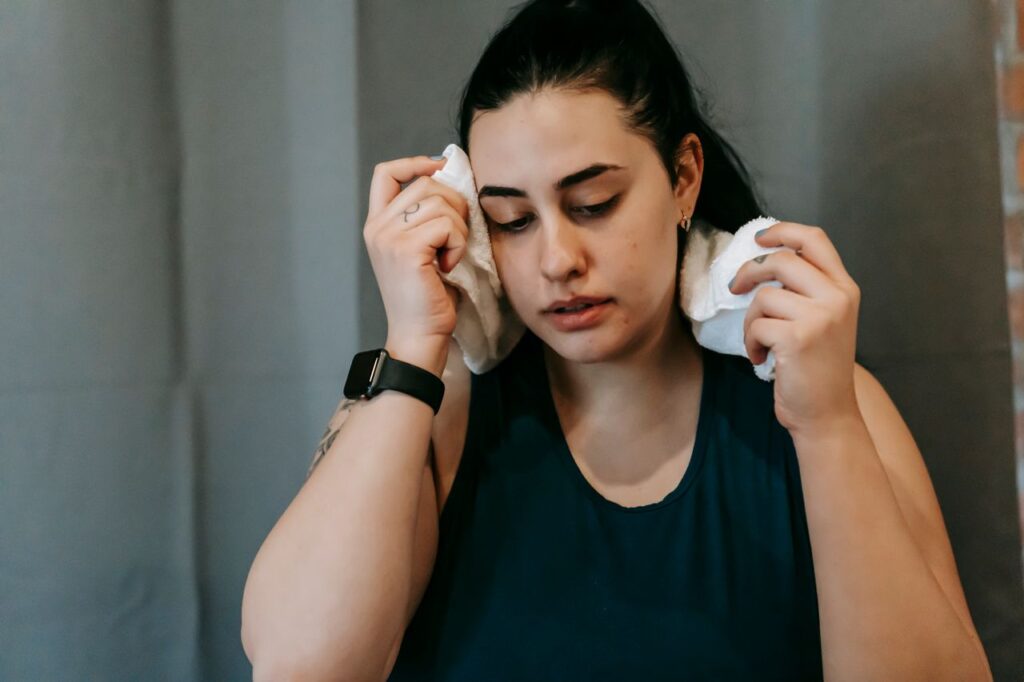
Cold Sweats Without Fever: Common Causes, Treatment, and When to See a Doctor


Waking up drenched in sweat or suddenly feeling cold and clammy without having a fever can be confusing and even frightening. Many people associate sweating with infections or high body temperature, but cold sweats without fever can happen for many different reasons. In some cases, they are harmless and temporary. In others, they may be a sign of an underlying medical condition that needs attention.
Cold sweats without fever occur when your skin becomes cool, pale, and sweaty even though your body temperature remains normal. The sweating may happen during the day or at night and can affect the entire body or only certain areas, such as the forehead, palms, or underarms.
This article explains the most common causes of cold sweats without fever, symptoms that may occur alongside them, treatment options, and when you should seek medical care.
What Are Cold Sweats Without Fever?
Cold sweats without fever refer to episodes of excessive sweating that occur while your skin feels cold or clammy, without an elevated body temperature.
Unlike sweating caused by exercise or hot weather, cold sweats often happen unexpectedly and may be accompanied by feelings of weakness, dizziness, nausea, or anxiety.
They occur because the body's nervous system activates the sweat glands even though the body is not trying to cool itself down.
What Causes Cold Sweats Without Fever?
There are many possible explanations for cold sweats without fever. Some are temporary, while others require medical evaluation.
Anxiety and Panic Attacks
One of the most common causes of cold sweats without fever is anxiety.
When you experience stress or panic, your body activates the "fight-or-flight" response, releasing hormones such as adrenaline.
This may cause:
- Cold sweating
- Rapid heartbeat
- Shaking
- Shortness of breath
- Chest tightness
- Dizziness
Symptoms often improve once the anxiety episode passes.
Low Blood Sugar (Hypoglycemia)
Low blood sugar is another common reason for cold sweats without fever, especially in people with diabetes.
Symptoms may include:
- Sweating
- Hunger
- Trembling
- Confusion
- Weakness
- Blurred vision
- Rapid heartbeat
If left untreated, severe hypoglycemia can become a medical emergency.
Pain
Severe pain from injuries or medical conditions can stimulate the nervous system and trigger cold sweating.
Examples include:
- Kidney stones
- Migraine headaches
- Gallstones
- Severe muscle injuries
- Dental abscesses
Treating the underlying cause usually relieves the sweating.
Shock
Shock occurs when the body's organs do not receive enough blood flow.
Possible causes include:
- Severe bleeding
- Serious infections
- Allergic reactions
- Major injuries
People experiencing shock often develop:
- Cold, clammy skin
- Rapid pulse
- Confusion
- Weakness
- Low blood pressure
Shock is a medical emergency.
Heart Attack
Although chest pain is the most recognized symptom, cold sweats without fever may also occur during a heart attack.
Other symptoms include:
- Chest pressure or pain
- Pain spreading to the arm, jaw, neck, or back
- Shortness of breath
- Nausea
- Dizziness
Women, older adults, and people with diabetes may experience less typical symptoms.
A suspected heart attack requires immediate emergency medical care.
Hormonal Changes
Hormonal fluctuations can sometimes cause episodes of sweating without fever.
Examples include:
- Menopause
- Perimenopause
- Thyroid disorders
- Certain hormone treatments
Night sweats may also occur in some individuals because of hormonal changes.
Certain Medications
Some medications list excessive sweating as a side effect.
Examples include:
- Antidepressants
- Pain medications
- Blood sugar medications
- Hormone therapies
- Some blood pressure medicines
Do not stop taking prescription medication without consulting your healthcare provider.
Infections in Early Stages
Although infections commonly cause fever, some people may initially experience cold sweats without fever, particularly during the early stages of illness.
If other symptoms develop later, medical evaluation may be needed.
Less Common Causes
Other possible causes include:
- Low blood pressure
- Anemia
- Certain cancers
- Neurological disorders
- Withdrawal from alcohol or certain medications
- Endocrine disorders
A healthcare provider can determine whether additional testing is necessary.
Symptoms That May Occur With Cold Sweats
Depending on the cause, cold sweats without fever may occur alongside:
- Dizziness
- Nausea
- Weakness
- Pale skin
- Rapid heartbeat
- Shaking
- Shortness of breath
- Chest pain
- Confusion
- Fatigue
The combination of symptoms often helps identify the underlying cause.
How Are Cold Sweats Without Fever Diagnosed?
Diagnosis begins with identifying the reason for the sweating.
Medical History
Your healthcare provider may ask about:
- When symptoms began
- Frequency of episodes
- Current medications
- Medical conditions
- Stress levels
- Recent illnesses
Physical Examination
Your provider may check:
- Blood pressure
- Heart rate
- Temperature
- Oxygen levels
- Heart and lung function
Blood Tests
Depending on your symptoms, testing may include:
- Blood glucose
- Complete blood count (CBC)
- Thyroid function tests
- Electrolyte levels
- Hormone testing
Additional tests may be recommended based on your medical history.
Treatment for Cold Sweats Without Fever
Treatment depends on the underlying cause.
Manage Anxiety
If anxiety is responsible, treatment may include:
- Deep breathing exercises
- Relaxation techniques
- Counseling
- Cognitive behavioral therapy (CBT)
- Medication when appropriate
Correct Low Blood Sugar
People with diabetes should follow their healthcare provider's instructions for treating low blood sugar promptly.
Those without diabetes who experience repeated episodes should seek medical evaluation.
Stay Hydrated
Dehydration can worsen symptoms such as weakness and dizziness.
Drinking enough fluids supports normal body function.
Review Medications
If sweating begins after starting a new medication, discuss possible alternatives with your healthcare provider.
Never stop prescribed medication without medical advice.
Treat the Underlying Condition
Managing heart disease, thyroid disorders, infections, or other medical problems often resolves the sweating.
Home Care Tips
If your symptoms are mild and not caused by an emergency, these strategies may help:
- Drink plenty of water.
- Wear lightweight clothing.
- Avoid skipping meals.
- Practice stress-management techniques.
- Get enough sleep.
- Limit caffeine if it worsens anxiety.
- Keep your home at a comfortable temperature.
These measures support overall health but should not replace medical care when symptoms persist.
When Should You See a Doctor?
Schedule a medical appointment if cold sweats without fever:
- Occur frequently
- Wake you from sleep regularly
- Continue without an obvious cause
- Are accompanied by unexplained weight loss
- Occur with ongoing dizziness
- Interfere with daily activities
- Keep returning despite lifestyle changes
Persistent symptoms deserve medical evaluation.
Seek Emergency Medical Care Immediately If
Call emergency services or go to the nearest emergency department if cold sweats without fever occur with:
- Chest pain
- Difficulty breathing
- Loss of consciousness
- Severe allergic reaction
- Confusion
- Sudden weakness
- Signs of severe low blood sugar
- Heavy bleeding
These symptoms may indicate a life-threatening medical emergency.
Conclusion
Experiencing cold sweats without fever can have many possible causes, ranging from anxiety and low blood sugar to medication side effects, hormonal changes, or more serious medical conditions. While occasional episodes may not be a cause for concern, recurring or severe symptoms should never be ignored. Paying attention to accompanying symptoms and seeking prompt medical evaluation when necessary can help identify the underlying cause and ensure you receive the appropriate treatment. Early diagnosis is especially important if cold sweats occur alongside chest pain, breathing difficulties, confusion, or fainting.
Frequently Asked Questions
What causes cold sweats without fever?
Common causes include anxiety, low blood sugar, pain, hormonal changes, certain medications, heart problems, and shock.
Can anxiety cause cold sweats without fever?
Yes. Anxiety and panic attacks commonly trigger cold, clammy sweating through the body's stress response.
Can low blood sugar cause cold sweats?
Yes. Hypoglycemia often causes sweating, shaking, dizziness, weakness, and confusion.
Are cold sweats without fever a sign of a heart attack?
They can be. Cold sweats accompanied by chest pain, shortness of breath, or pain spreading to the arm or jaw require immediate emergency care.
Can medications cause cold sweats?
Yes. Some antidepressants, diabetes medications, hormone therapies, and pain medicines may increase sweating.
When should I worry about cold sweats?
Seek medical attention if episodes are frequent, severe, occur with chest pain, breathing difficulty, fainting, confusion, or unexplained weight loss.
Can dehydration cause cold sweats?
Dehydration may contribute to weakness and dizziness and can worsen symptoms, although it is not always the direct cause of cold sweats.
Can cold sweats happen without being sick?
Yes. Many people experience cold sweats without fever because of anxiety, low blood sugar, medications, or hormonal changes rather than an infection.
