




Symptoms of Fatty Liver: Early Warning Signs, Causes, and Treatment


Fatty liver disease is one of the fastest-growing health concerns in the United States. Millions of people have excess fat stored in their liver without realizing it because the condition often develops silently. By the time noticeable symptoms appear, liver damage may already have begun.
Recognizing the symptoms of fatty liver early gives you the opportunity to make lifestyle changes that may stop or even reverse the disease. Whether fatty liver develops because of poor diet, obesity, diabetes, or excessive alcohol consumption, early diagnosis can significantly improve long-term health.
This guide explains the most common symptoms, possible causes, risk factors, diagnosis, treatment options, and practical ways to keep your liver healthy.
What Is Fatty Liver Disease?
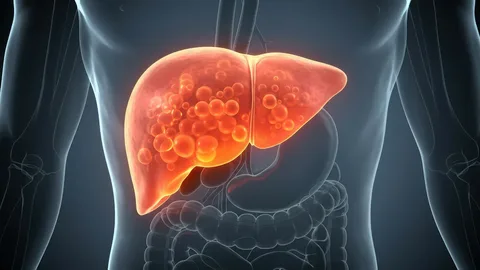
Fatty liver disease occurs when excess fat builds up inside liver cells. A healthy liver contains very little fat, but when fat accounts for more than 5% of the liver's weight, it is considered fatty liver disease.
There are two main types.
Non-Alcoholic Fatty Liver Disease (NAFLD)
This is the most common type. It affects people who drink little or no alcohol and is often linked to obesity, insulin resistance, type 2 diabetes, high cholesterol, and metabolic syndrome.
Alcohol-Related Fatty Liver Disease
This form develops after long-term excessive alcohol consumption. Alcohol damages liver cells, making it difficult for the liver to process fat properly.
Why Fatty Liver Is Often Called a Silent Disease
One reason fatty liver is dangerous is that many people experience no symptoms during the early stages. The liver can continue functioning normally even when fat has accumulated.
As the disease progresses, inflammation and liver damage begin to develop. This is when the symptoms of fatty liver become more noticeable.
Common Symptoms of Fatty Liver
Although many people have no symptoms initially, several warning signs may appear over time.
Constant Fatigue
Feeling tired all the time is one of the most common symptoms of fatty liver. Even after getting enough sleep, many people continue to experience low energy because the liver is not working efficiently.
Pain in the Upper Right Side of the Abdomen
A dull ache or feeling of pressure below the right rib cage can occur as the liver becomes enlarged.
The pain is usually mild but may become more noticeable after eating large meals.
Unexplained Weakness
People often report feeling physically weaker than usual. Daily activities may become more tiring because the body cannot efficiently process nutrients and energy.
Loss of Appetite
Some individuals notice they are less interested in eating or become full more quickly than before.
Feeling Bloated
Many people experience abdominal bloating or fullness. While bloating has many causes, it may occur alongside other symptoms of fatty liver.
Brain Fog
Difficulty concentrating, poor memory, and reduced mental clarity may develop, particularly if liver inflammation worsens.
Elevated Liver Enzymes
In many cases, fatty liver is discovered during routine blood work showing elevated liver enzymes such as ALT and AST. These abnormal results often appear before noticeable physical symptoms develop.
Early Symptoms of Fatty Liver
The earliest symptoms of fatty liver are often easy to ignore because they resemble everyday health complaints.
These may include:
- Constant tiredness
- Mild abdominal discomfort
- Low energy
- Feeling unusually weak
- Mild nausea
- Difficulty concentrating
- General discomfort after meals
Because these symptoms are nonspecific, many people do not realize their liver may be affected.
Advanced Symptoms of Fatty Liver
If fatty liver progresses to non-alcoholic steatohepatitis (NASH), fibrosis, or cirrhosis, symptoms become much more serious.
Jaundice
Yellowing of the skin and eyes occurs when the damaged liver cannot remove bilirubin effectively.
Swollen Abdomen
Fluid may build up in the abdomen, causing noticeable swelling.
Swollen Legs and Feet
Poor liver function can lead to fluid retention in the lower limbs.
Easy Bruising
A damaged liver produces fewer clotting proteins, making bruising and bleeding more common.
Confusion
Advanced liver disease may cause toxins to build up in the bloodstream, affecting brain function and leading to confusion or memory problems.
What Causes Fatty Liver?
Several factors increase the risk of developing fatty liver disease.
Obesity
Being overweight is one of the leading causes of non-alcoholic fatty liver disease.
Type 2 Diabetes
High blood sugar and insulin resistance promote fat storage inside liver cells.
High Cholesterol
Elevated cholesterol and triglyceride levels increase the likelihood of fat accumulation in the liver.
Poor Diet
A diet high in processed foods, sugary drinks, refined carbohydrates, and unhealthy fats places significant stress on the liver.
Lack of Physical Activity
Regular exercise helps the body burn fat efficiently. A sedentary lifestyle increases the risk of fatty liver.
Excessive Alcohol Consumption
Heavy drinking damages liver cells and contributes to alcohol-related fatty liver disease.
Who Is Most at Risk?
Anyone can develop fatty liver disease, but certain people are at a much higher risk. Understanding these risk factors can help you take preventive steps before liver damage occurs.
You may be more likely to develop symptoms of fatty liver if you:
- Are overweight or obese
- Have type 2 diabetes or prediabetes
- Have high blood pressure
- Have high cholesterol or triglycerides
- Eat a diet high in sugar and processed foods
- Exercise very little
- Drink excessive amounts of alcohol
- Have metabolic syndrome
- Have a family history of liver disease
Even people with a healthy body weight can develop fatty liver, especially if they have insulin resistance or poor eating habits.
How Is Fatty Liver Diagnosed?
Because symptoms of fatty liver may be mild or absent, doctors often diagnose the condition during routine medical examinations.
Physical Examination
Your healthcare provider may check for liver enlargement or tenderness in the upper right side of the abdomen.
Blood Tests
Blood tests measure liver enzymes such as:
- ALT
- AST
- GGT
Elevated levels may indicate liver inflammation but do not confirm fatty liver on their own.
Ultrasound
An abdominal ultrasound is one of the most common imaging tests used to detect fat accumulation in the liver.
CT Scan or MRI
More advanced imaging may be recommended if additional information is needed.
FibroScan
FibroScan is a painless test that measures liver stiffness and helps detect fibrosis or scarring.
Liver Biopsy
In some cases, a liver biopsy is recommended to determine the severity of inflammation or liver damage.
Can Fatty Liver Be Reversed?
The good news is that early-stage fatty liver disease is often reversible.
For many people, reducing liver fat through healthy lifestyle changes significantly improves liver function within a few months.
The earlier symptoms of fatty liver are recognized, the better the chances of preventing permanent liver damage.
Treatment for Fatty Liver
There is currently no single medication approved specifically to treat non-alcoholic fatty liver disease. Treatment focuses on addressing the underlying causes.
Lose Excess Weight
Losing just 5% to 10% of your body weight may significantly reduce liver fat and inflammation.
Exercise Regularly
Aim for at least 150 minutes of moderate exercise each week.
Walking, cycling, swimming, and strength training all support liver health.
Eat a Balanced Diet
Choose foods rich in:
- Vegetables
- Fruits
- Whole grains
- Lean protein
- Fish
- Nuts
- Olive oil
- Beans
A Mediterranean-style diet is often recommended for people with fatty liver disease.
Control Blood Sugar
If you have diabetes or insulin resistance, managing blood sugar levels can reduce further liver damage.
Reduce Alcohol Intake
People with alcohol-related fatty liver disease should avoid alcohol completely unless advised otherwise by their healthcare provider.
Manage Cholesterol
Keeping cholesterol and triglyceride levels within a healthy range helps reduce fat buildup inside the liver.
Foods to Eat for a Healthy Liver
Eating nutritious foods can support liver function and reduce fat accumulation.
Good choices include:
- Leafy green vegetables
- Broccoli
- Berries
- Apples
- Oats
- Brown rice
- Salmon
- Sardines
- Chicken breast
- Beans
- Lentils
- Walnuts
- Almonds
- Avocados
- Olive oil
- Green tea
- Coffee (in moderation)
Foods to Avoid
Certain foods may worsen fatty liver disease.
Limit or avoid:
- Sugary drinks
- Candy
- Cakes
- White bread
- Pastries
- Fried foods
- Fast food
- Processed meat
- Excessive red meat
- Alcohol
- Highly processed snacks
Reducing added sugar is one of the most effective dietary changes for improving symptoms of fatty liver.
How to Prevent Fatty Liver
Although not every case can be prevented, healthy habits greatly reduce your risk.
You can protect your liver by:
- Maintaining a healthy weight
- Exercising regularly
- Eating a balanced diet
- Limiting alcohol
- Managing diabetes and cholesterol
- Drinking enough water
- Getting regular medical checkups
- Avoiding unnecessary medications unless prescribed
Small lifestyle improvements can make a significant difference in liver health over time.
When Should You See a Doctor?
You should consult a healthcare provider if you experience:
- Persistent fatigue
- Pain in the upper right abdomen
- Yellowing of the skin or eyes
- Swelling of the abdomen
- Unexplained weight loss
- Ongoing nausea
- Abnormal liver blood test results
Early medical evaluation can identify the cause of your symptoms and help prevent serious complications.
Conclusion
The symptoms of fatty liver often develop slowly and may go unnoticed for years. Many people have no symptoms until the condition has progressed, making regular health checkups especially important.
Fortunately, fatty liver disease is often reversible when detected early. A healthy diet, regular exercise, weight management, and controlling conditions such as diabetes and high cholesterol can greatly improve liver health and reduce the risk of long-term complications.
If you notice persistent fatigue, abdominal discomfort, or other possible symptoms, don't ignore them. Speaking with a healthcare professional and making positive lifestyle changes today can help protect your liver for years to come.
Frequently Asked Questions
What are the first symptoms of fatty liver?
Early symptoms may include fatigue, low energy, mild discomfort in the upper right abdomen, bloating, and difficulty concentrating. Many people have no symptoms during the early stages.
Can fatty liver go away on its own?
Fatty liver usually improves with healthy lifestyle changes such as weight loss, regular exercise, a balanced diet, and avoiding excessive alcohol.
Is fatty liver serious?
Early fatty liver is often reversible, but untreated disease can progress to liver inflammation, fibrosis, cirrhosis, and liver failure.
Can skinny people get fatty liver?
Yes. Even people with a normal body weight can develop fatty liver, particularly if they have insulin resistance, diabetes, poor eating habits, or certain genetic factors.
What foods help reduce fatty liver?
Vegetables, fruits, whole grains, fish, lean protein, olive oil, nuts, beans, and foods rich in fiber are generally recommended to support liver health.
Does fatty liver cause pain?
Some people experience a dull ache or discomfort in the upper right side of the abdomen, although many people have no pain at all.
How long does it take to reverse fatty liver?
Improvement may occur within a few months after making healthy lifestyle changes, but recovery time varies depending on the severity of the condition and individual health factors.
Can fatty liver be prevented?
Yes. Maintaining a healthy weight, exercising regularly, eating a balanced diet, limiting alcohol, and managing diabetes and cholesterol can significantly reduce the risk of developing fatty liver.
