




Measles Outbreaks in the US: What Parents Need to Know


Measles is spreading across the United States, and health officials are warning parents to take the disease seriously. The virus can spread quickly, especially in communities where vaccination rates are low.
By November 6, 2026, the Centers for Disease Control and Prevention (CDC) had recorded 5,182 measles cases across the country. ABC News reported eight measles-related deaths, including an infant in Wisconsin.
These numbers show why parents need to understand the risks, recognize early symptoms, and check their children's vaccination records.
Why is the measles outbreak spreading?
Measles is one of the most contagious diseases. It spreads through the air when an infected person coughs, sneezes, or breathes.
The virus can remain in the air for up to two hours after an infected person leaves a room. This means someone can become infected without having direct contact with a sick person.
For example, an unvaccinated child may visit a waiting room shortly after someone with measles leaves. The child could still be exposed to the virus.
According to the CDC, up to nine out of 10 people without immunity who are exposed to measles may become infected.
Falling vaccination rates have left more people vulnerable. The measles outbreak can spread more easily when fewer people in a community have protection.
What are the early signs of measles?
Measles symptoms usually appear 7 to 14 days after exposure. The illness often begins like a common cold.
Parents should watch for:
- High fever, sometimes above 104°F.
- Cough and runny nose.
- Red, watery eyes.
- Small white spots inside the mouth.
- A red rash that starts on the face and spreads down the body.
The rash usually appears a few days after the first symptoms.
For example, a child may develop a fever and cough before parents notice a rash near the hairline. The rash can then spread to the chest, arms, and legs.
Measles can spread before the rash appears. This makes early recognition and medical advice important.
Why is measles dangerous for children?
Measles is not simply a childhood rash. It can cause serious complications, especially in babies and young children.
Some children develop ear infections, diarrhea, or pneumonia. Others may experience severe dehydration or swelling of the brain.
Brain inflammation can cause seizures and lasting damage. A rare condition called subacute sclerosing panencephalitis can also develop years after infection. It is progressive and usually fatal.
Children younger than five years face a higher risk of serious complications. Babies who are too young for routine vaccination are also vulnerable.
How can parents protect their children during a measles outbreak?
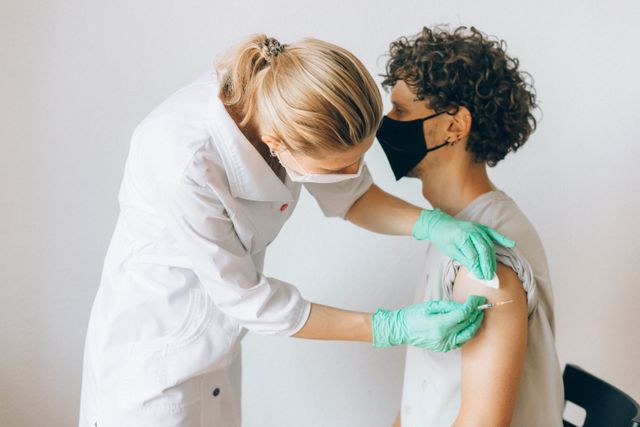
The measles, mumps, and rubella (MMR) vaccine offers the best protection.
In the United States, the routine schedule recommends:
- First dose: Between 12 and 15 months.
- Second dose: Between 4 and 6 years.
Two doses are about 97% effective at preventing measles. One dose is about 93% effective.
Parents should check their children's vaccination records and speak with their healthcare provider if any doses are missing.
Some babies aged 6 to 11 months may need an early dose before international travel or during certain outbreaks. A healthcare provider or public health department can advise whether this is necessary. An early dose does not replace the two routine doses after the first birthday.
People who cannot receive the vaccine for medical reasons may also need extra protection from their community.
What should parents do after possible exposure?
If your child may have been near someone with measles, contact your healthcare provider immediately. Do not walk into a clinic without calling first. This helps prevent exposing other patients.
Depending on the child's age, vaccination history, and timing, a provider may recommend an MMR vaccine or immune globulin. These treatments may help prevent or reduce illness after exposure when given within specific time limits.
Watch for symptoms for up to 21 days after exposure. If your child develops a fever, cough, red eyes, or rash, call the healthcare provider before visiting.
Children with measles should stay home until at least the fifth day after the rash begins, following public health guidance.
Seek urgent medical care if your child has trouble breathing, severe weakness, signs of dehydration, confusion, or difficulty feeding.
The Bottom Line
Measles is highly contagious, but vaccination offers strong protection. Parents should check their children's MMR records, learn the early symptoms, and seek medical advice after possible exposure.
Taking these steps can help protect children and reduce the spread of measles in their communities.
Frequently Asked Questions
Can vaccinated children still get measles?
Yes, but it is uncommon after two MMR doses. Vaccinated people who become infected usually have milder illness and are less likely to spread the virus.
Can babies younger than one year get measles?
Yes. Babies can become infected, even before they are old enough for routine MMR vaccination. Parents should seek medical advice after a possible exposure.
Is measles still dangerous in the United States?
Yes. The current measles outbreak shows that the disease can spread quickly when vaccination coverage falls. It can cause pneumonia, brain inflammation, and death.