





Antimicrobial resistance (AMR) represents one of the most pressing health threats facing humanity in the 21st century. Furthermore, this complex issue challenges the very foundation of modern medicine by rendering previously effective treatments useless. Without urgent action, healthcare systems worldwide will struggle to treat even routine infections.
What Is Antimicrobial Resistance?
Antimicrobial resistance occurs when bacteria, viruses, fungi, and parasites evolve over time and no longer respond to the medicines designed to eliminate them. Consequently, infections that were once easily treatable become increasingly difficult to manage. Moreover, this evolutionary process happens naturally, but human behavior significantly accelerates the problem.
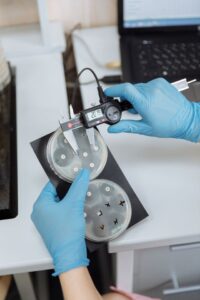
These drug-resistant microorganisms, commonly called “superbugs”, continue to multiply in infected patients because antimicrobial medications can no longer stop their growth. Additionally, when people carry these resistant infections, they can spread them to other individuals through close contact, contaminated food, or healthcare settings. As a result, what starts as one patient’s problem rapidly becomes a community-wide concern.
Understanding Antimicrobials and How Resistance Develops
Antimicrobials encompass a broad category of medicines, including antibiotics, antivirals, antifungals, and antiparasitics. These powerful medications prevent and treat infections in humans, animals, and even plants. However, every time these medicines are used, they create selective pressure that favors the survival of resistant microorganisms.
Here’s how the process works: Initially, most bacteria in a population are susceptible to antibiotics. Yet when antibiotics are administered, sensitive bacteria die while naturally resistant individuals survive and reproduce. Over successive generations, resistance traits spread throughout the population. Eventually, the entire microbial community becomes resistant, making the antibiotic ineffective.
Why Should We Care About Antimicrobial Resistance?
The consequences of unchecked AMR extend far beyond treating simple infections. Furthermore, routine medical procedures we take for granted could become dangerous. For instance, joint replacement surgery, childbirth delivery, and cancer chemotherapy all rely on effective antimicrobials to prevent dangerous post-operative infections.
Consider the current impact: Treatment failures occur more frequently as resistance spreads. Consequently, patients experience prolonged illness, longer hospital stays, and increased risk of developing severe complications. Additionally, healthcare costs rise dramatically because resistant infections require more expensive drugs, longer treatment periods, and intensive monitoring.
Most alarming is the mortality risk associated with resistant infections. Studies indicate that infections caused by antimicrobial-resistant organisms result in significantly higher death rates than those caused by susceptible pathogens. Moreover, vulnerable populations, including newborns, elderly individuals, and immunocompromised patients, face particularly severe risks.
The Drivers of Antimicrobial Resistance
Overuse and misuse of antimicrobials represent the primary accelerators of resistance development. Healthcare providers sometimes prescribe antibiotics for viral infections where they provide no benefit, yet still drive resistance selection. Additionally, patients frequently skip doses or stop treatment early, leaving some bacteria alive to multiply.
Agriculture accounts for approximately 70% of global antimicrobial use. Farmers routinely administer antibiotics to healthy livestock and poultry to promote growth and prevent disease in crowded conditions. Therefore, resistant bacteria from animal agriculture enter human food chains and water systems. Furthermore, poor infection control in healthcare facilities enables resistant organisms to spread rapidly among vulnerable patients.
Inadequate sanitation and limited access to clean water create environments where infections flourish, and resistance spreads unchecked. Consequently, developing nations with weak healthcare infrastructure bear disproportionate burdens from resistant infections.
Global Impact and Future Threats
The World Health Organization warns that antimicrobial resistance could cause 10 million deaths annually by 2050 if current trends continue. Moreover, the economic impact of AMR exceeds $100 billion in healthcare costs worldwide each year. Additionally, antibiotic-resistant tuberculosis and malaria already kill thousands despite available medications.
Common infections that physicians routinely treated decades ago now pose serious risks. For example, methicillin-resistant Staphylococcus aureus (MRSA) causes skin, bloodstream, and pneumonia infections that are difficult to treat. Similarly, carbapenem-resistant bacteria have emerged in many hospitals, leaving almost no effective treatment options.
Solutions and Prevention Strategies
Addressing antimicrobial resistance requires coordinated action across multiple sectors. First, healthcare systems must implement strict infection control measures to limit the spread of resistance. Additionally, healthcare providers need better diagnostic tools to identify bacterial infections quickly, enabling appropriate antimicrobial selection.
Agricultural practices require fundamental reform. Consequently, experts recommend eliminating routine antimicrobial use in healthy animals. Furthermore, strengthening vaccination programs reduces infection rates, decreasing overall antimicrobial demand.
Individual responsibility matters significantly as well. Therefore, patients should take antibiotics exactly as prescribed and never share medications with others. Moreover, improving hand hygiene and food safety practices prevents infections before they start, reducing unnecessary antimicrobial use.
Moving Forward
Antimicrobial resistance represents a complex challenge demanding innovation in drug development, behavioral change, and policy reform. However, with sustained commitment and global cooperation, we can preserve the effectiveness of these life-saving medicines for future generations. Consequently, the time to act is now, before resistant organisms render modern medicine powerless against infection.