



I&D Medical Abbreviation Meaning: Incision and Drainage


If you read your after-visit summary, you might notice the letters I&D. It is normal to feel confused by medical shorthand. This is especially true when it relates to a physical procedure.
The i&d medical abbreviation meaning represents a very common minor procedure. Doctors use it in clinics and emergency rooms. It offers a straightforward way to treat trapped fluid or infections. This guide breaks down the meaning of i&d. We will also explore its use in fields like orthopedics. Finally, you will learn what to expect if you need one.
What Does the I&D Medical Abbreviation Mean?
In clinical settings, the standard I&D medical abbreviation stands for Incision and Drainage.
Healthcare providers use ID medical abbreviation shorthand to describe a quick surgical process. It clears out a localized pocket of infection.
- Incision: The doctor makes a small, precise cut over the swollen area.
- Drainage: The doctor gently pushes or flushes out the trapped fluid, pus, or blood.
Opening the pocket instantly drops the internal pressure. This action allows the tissue to heal cleanly from the inside out.
When Do Doctors Use an Incision and Drainage?
Doctors perform an I&D when fluid becomes trapped under the skin. This fluid cannot drain on its own. The most common cause is an abscess or a severe boil.
Sometimes, your body traps a collection of bacteria in one spot. This creates a painful, red, squishy bump. Antibiotics alone often cannot reach the center of a large fluid pocket. This happens because there is no blood flow inside the pocket. An i&d medical abbreviation in a surgery note means the doctor must physically open the area. This clears the infection so healing can begin.
How the Procedure Works in Action
You might visit an urgent care clinic with a painful abscess. The medical team will usually perform the procedure right there. First, they clean your skin. Next, they inject a local numbing medicine around the bump.
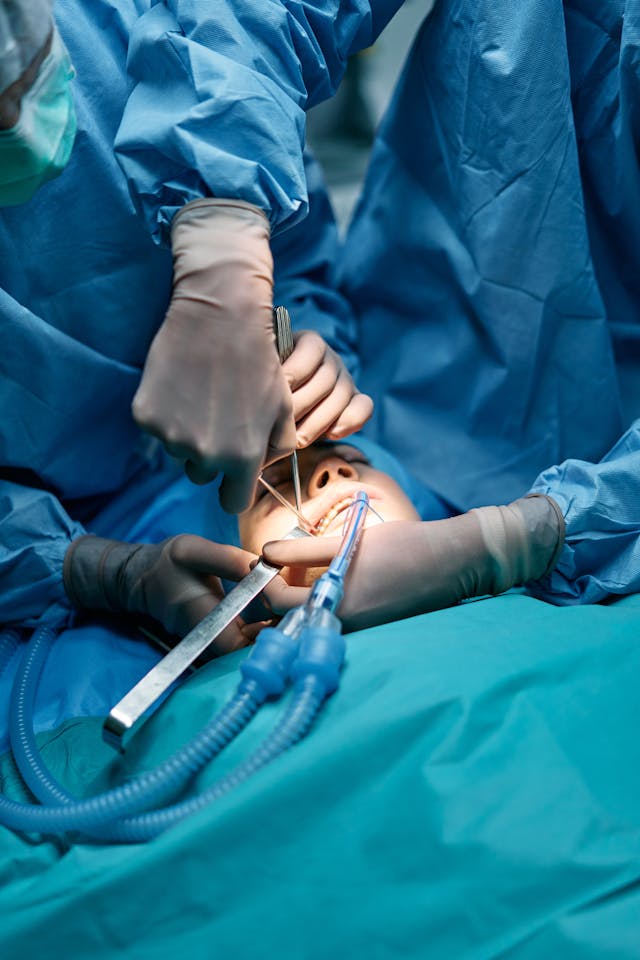
The doctor makes a small incision once the area is completely numb. The trapped fluid drains out immediately. This results in fast pain relief. The doctor might place a small piece of medical gauze inside large infections. This keeping-it-open trick stops the skin from closing too fast. It ensures remaining fluid drains out safely over the next few days.
I&D in Orthopedics and Debridement
Many I&Ds happen on the surface of the skin. However, deeper surgical fields also frequently use this acronym. An i&d medical abbreviation orthopedic note refers to a deep procedure. Surgeons perform it inside a joint or a bone.
A joint can become infected after an injury or surgery. An orthopedic specialist must flesh it out completely to protect the bone. In these complex cases, you will see the phrase "i&d" as a medical abbreviation for debridement. Debridement means the surgeon drains the fluid and removes damaged tissue. Clean, healthy tissue is left behind so the body can repair itself.
Simple Daily Habits to Support Healing After an I&D
Have you recently had an I&D? Taking excellent care of your body gives your immune system vital fuel. Keeping your body fully hydrated is an easy, highly effective strategy.
When you run dry, your blood volume drops. This drop forces your heart to work overtime. Learning how severe dehydration can cause high blood pressure highlights why fluid intake matters. If plain water gets unappealing, low-sugar options can help. Drinks like Propel or Sparkling Ice keep your fluid levels steady.
It is also critical to protect your healing tissues from harsh chemicals. Steering clear of vaping protects your blood vessels. This ensures your circulatory system delivers plenty of oxygen-rich blood to your wound.
Managing Aftercare and Infection Anxiety
Packed wounds and open incisions can look scary. Taking care of a healing wound at home can cause worry. It is normal to feel anxious about changing your dressings. You might also worry about checking for re-infection.
Carrying an intense load of daily stress can actually slow down your physical recovery. This happens because stress raises harmful hormone levels. Medical anxieties can feel too heavy to carry alone. Utilizing support benefits like Lyra mental health can connect you with a counselor. Learning simple calming techniques keeps your mind at ease during recovery.
Bottom Line
The I&D medical abbreviation means Incision and Drainage. It is a routine, safe, and highly effective procedure. Doctors use it to clean out trapped fluid from an abscess, wound, or joint. The idea of a minor cut sounds unpleasant. However, the procedure stops the infection from spreading further. It also offers fast relief from throbbing pain. Keep the wound clean, stay fully hydrated, and follow your doctor’s instructions for a smooth recovery.
Frequently Asked Questions
Does an I&D hurt? The most uncomfortable part is the sting of the numbing injection. Once the local anesthetic takes effect, you should feel only mild pressure. You will not feel sharp pain while the doctor works. The throbbing pain usually improves dramatically right after the fluid drains.
How long does it take for an I&D wound to heal? Most minor skin I&D wounds heal beautifully within 1 to 2 weeks. Deeper orthopedic procedures take longer. Large abscesses that require packing can take several weeks to close completely. Your doctor will give you a specific timeline.
Can I pack or drain an abscess at home by myself? No, absolutely not. Squeezing or cutting open a boil at home is dangerous. It can push the bacteria deeper into your bloodstream. This leads to a much more dangerous, widespread infection. Always let a trained professional handle an I&D.
What are the signs that an I&D wound is getting worse? Contact your doctor or visit a clinic immediately if you notice a high fever. Watch for red streaks spreading from the wound. A sudden increase in severe pain is also a warning sign. The same applies to foul-smelling drainage that gets heavier.