




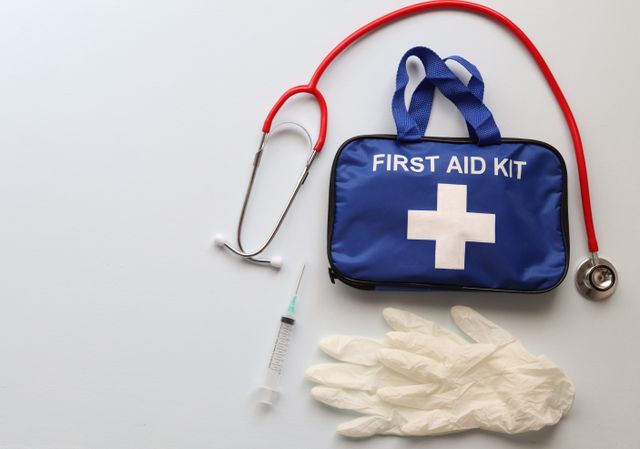
First Aid Kit Essentials: What Every Home Needs


Medical emergencies don't wait for convenient timing, and gaps in home medical preparedness can transform minor injuries into serious complications. Every household benefits from maintaining a well-stocked first-aid kit with supplies that enable an immediate response to common injuries and illnesses.
A comprehensive first aid kit provides peace of mind, potentially saves lives, and prevents unnecessary emergency room visits for manageable health situations. Understanding what belongs in your first aid kit and why each item matters empowers you to respond confidently when injuries occur. This guide reveals essential first-aid kit items, organization strategies, and maintenance practices to ensure your home's medical readiness.
Why Your Home Needs a First Aid Kit
Accidents happen regardless of precautions; cuts, sprains, burns, and minor infections occur in every household. During these moments, having immediate access to appropriate supplies can mean the difference between managing an injury at home and requiring emergency medical care.
A first aid kit keeps essential medical supplies organized and accessible, enabling rapid response when seconds matter. Furthermore, maintaining a proper first aid kit demonstrates responsible household management and helps protect your family's health and wellbeing.
Children particularly benefit from access to a home first-aid kit, as minor injuries are common in childhood. Parents equipped with a first-aid kit can address scraped knees, splinters, and minor cuts independently, reducing unnecessary doctor visits and childhood anxiety.
Additionally, adults caring for aging parents or individuals with chronic conditions find first aid kit supplies invaluable for managing medication side effects, wound care, and minor acute issues.
Essential Wound Care Supplies for Your First Aid Kit
Adhesive Bandages
No first aid kit is complete without adhesive bandages in multiple sizes. These versatile items treat minor cuts, abrasions, and scrapes, protecting wounds while allowing them to heal. Include various sizes, from small knuckle bandages to larger rectangular options, to cover different injury areas. Additionally, include specialized bandages designed for blister prevention and treatment, particularly valuable for active families experiencing frequent foot irritation.
Sterile Gauze and Tape
Sterile gauze pads form the foundation of a comprehensive first-aid kit, essential for cleaning and covering larger wounds that are unsuitable for standard bandages. Your first aid kit should contain sterile gauze in multiple sizes, 2x2, 3x3, and 4x4 inch options, providing flexibility for different wound dimensions. Medical tape completes this setup, securing gauze pads while remaining gentle on skin.
Antibiotic Ointment
Include an antibiotic ointment in your first-aid kit to prevent infection after minor wounds. Apply antibiotic ointment to cleaned wounds before bandaging to reduce the risk of infection and significantly accelerate healing. This single first-aid kit item prevents minor cuts from developing into serious infections that require professional care.
Elastic Bandages and ACE Wraps
A quality first aid kit includes elastic bandages for sprains, strains, and minor joint injuries. These wraps provide compression, reducing swelling and pain while supporting injured joints during movement. Include multiple sizes accommodating different body areas, such as ankle, knee, wrist, and elbow injuries.
Wound Cleaning Essentials
Antiseptic Wipes or Solution
Every first aid kit should contain antiseptic wipes for immediate wound cleaning and disinfection. These convenient wipes remove dirt, bacteria, and debris from injured areas before applying other treatments. Alternatively, include sterile saline solution for irrigation, particularly valuable for larger or contaminated wounds requiring thorough cleaning.
Tweezers and Small Scissors
A reliable first aid kit must include tweezers for removing splinters and debris, and small medical scissors for cutting tape, gauze, and bandages. These simple tools prevent contamination by enabling the sterile removal of objects without using fingers.
Pain and Symptom Management Items
Over-the-Counter Pain Relievers
A well-stocked first aid kit contains multiple pain management options, ibuprofen for inflammation, and acetaminophen for general pain relief. Include both options, as individual responses vary. Additionally, keep aspirin available for chest pain emergencies while awaiting emergency services.
Antihistamine Tablets
Include antihistamine tablets to relieve allergic reactions and itching. These medications address mild allergic reactions, itching from insect bites, and other histamine-related symptoms.
Antidiarrheal and Antacid Medications
Your first aid kit should include antidiarrheal medications for stomach upset and antacid tablets for heartburn relief. These over-the-counter remedies address common digestive issues, preventing unnecessary medical visits.
Specialized Supplies Every First Aid Kit Requires
Thermometer
A reliable thermometer belongs in every household first-aid kit for assessing fever. Digital thermometers provide rapid, accurate readings, which are invaluable for determining whether an illness requires medical attention.
Ice Packs and Heat Packs
Instant ice packs and heat packs enable temperature-based injury treatment. Your first aid kit should include reusable options or instant chemical packs providing cold and heat therapy for sprains, strains, and muscle tension.
Emergency Contact Information
Document emergency contact numbers, poison control, local hospital information, and healthcare provider details in your first aid kit. Include personal medical information, including allergies, current medications, and emergency contacts, which is critical during medical emergencies when stress impairs memory.
CPR and Emergency Guide
Include a laminated CPR instruction card and an emergency first aid guide in your first aid kit. These references provide critical procedure reminders when panic might otherwise impair decision-making.
Organizing and Maintaining Your First Aid Kit
Store your first aid kit in an easily accessible, cool, and dry location, not in bathrooms, where humidity degrades supplies. Label contents clearly and involve family members in organizing the first aid kit so everyone knows its location during emergencies. Review your first aid kit quarterly, replacing expired medications and depleted supplies. Maintain a checklist documenting what your first aid kit contains and restock dates, ensuring consistent readiness.
Taking Action on First Aid Kit Preparedness
Evaluate whether your current first aid kit contains all recommended items. If you lack a first aid kit, purchase or assemble one immediately. Injury prevention begins with preparation. Review the recommended contents with family members, discussing the first aid kit's location and basic usage. Consider taking a CPR and first aid certification course to complement your first aid kit with practical emergency knowledge.