



Reiki Healing: What It Is and How Effective It Is


As conventional medicine continues to evolve, many individuals are turning to holistic therapies to fill the gaps in their wellness routines—especially when dealing with chronic stress, anxiety, and lingering pain. Among these alternative approaches, Reiki healing has emerged as one of the most popular and widely practiced energy therapies in the world.
But despite its growing presence in hospitals and wellness centers, Reiki remains misunderstood by many. In this comprehensive guide, we will break down exactly what Reiki is, explain how the practice works, and examine what scientific research says about its true effectiveness. Whether you are entirely new to energy work or looking to expand your holistic health toolkit, understanding Reiki can open new doors to your physical and emotional well-being.
What is Reiki Healing?
Reiki is a Japanese energy healing method coined in the early 20th century by Dr. Mikao Usui. The word "Reiki" is derived from two Japanese words: Rei, which means "universal" or "higher power," and Ki, which means "life force energy." Therefore, Reiki literally translates to "universal life force energy."
The foundational belief of Reiki is that an unseen "life force energy" flows through all living things. When this energy is low, we are more likely to feel stressed, fall ill, or experience emotional imbalance. When our life force energy is high, we feel happy, healthy, and capable of navigating life's challenges with ease.
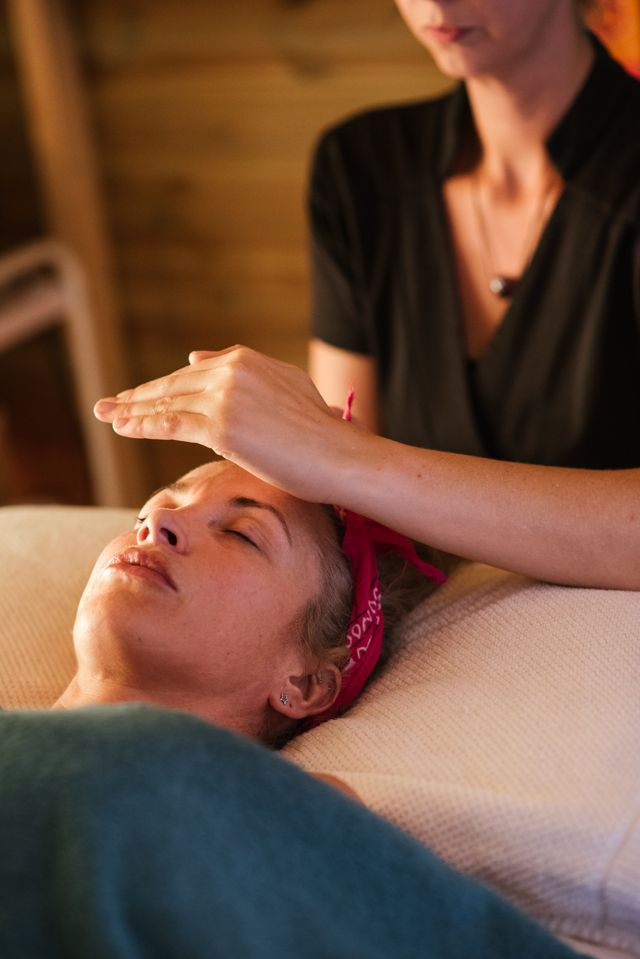
Reiki practitioners act as conduits or channels for this universal energy. During a session, the practitioner gently places their hands on or just above the recipient’s body in a series of specific hand positions. The energy then flows through the practitioner into the recipient, targeting areas of energy blockage or depletion.
The Five Principles of Reiki
Transcending mere physical healing, Reiki functions as a profound mental and spiritual discipline. Its founder, Dr. Usui, formulated five foundational precepts—collectively termed the Gokai—which both practitioners and recipients are urged to embody in their daily lives:
Just for today, I will not:
- Anger
- Worry
Just for today, I will:
- Be grateful
- Do my work honestly
- Be kind to every living thing.
These principles highlight that Reiki healing is as much about cultivating a peaceful mindset as it is about balancing the body's energy.
What Happens During a Reiki Session?
A typical Reiki session lasts between 60 and 90 minutes. The recipient lies fully clothed on a massage table in a quiet, peaceful environment. The practitioner will often begin by centering themselves and setting an intention for the healing.
Using a series of hand positions—starting at the head and moving down the body—the practitioner will hover their hands or lightly touch the recipient. You may feel sensations such as warmth, tingling, pulsing, or a deep sense of relaxation. However, it is also completely normal to feel nothing at all, as the energy is still working on a subtle level.
How Effective is Reiki Healing?
The effectiveness of Reiki is often a topic of debate, primarily because it deals with subtle energy that is difficult to measure with conventional scientific instruments. However, the personal relief experienced by countless individuals across the globe, alongside new clinical findings, indicates that Reiki provides significant value for targeted health issues.
Scientific Research and Evidence
Even though Reiki should not be viewed as a cure for illness, it is steadily gaining traction as a powerful adjunctive therapy. Major medical centers, including the Mayo Clinic and Cleveland Clinic, now offer Reiki to patients to help manage symptoms and improve quality of life.
According to the National Center for Complementary and Integrative Health (NCCIH), while rigorous clinical trials are still limited, existing studies indicate that Reiki may be effective for pain and anxiety reduction. A 2022 review of studies published in the Journal of Evidence-Based Integrative Medicine found that Reiki was consistently associated with reduced pain, decreased anxiety, and improved quality of life in cancer patients.
Reiki works by activating the parasympathetic nervous system—our body's "rest and digest" mode. By shifting the body out of the "fight or flight" stress response, Reiki lowers heart rate, reduces blood pressure, and decreases cortisol levels, allowing the body to heal itself more efficiently.
Key Benefits of Reiki Healing
The effectiveness of Reiki is most pronounced in the following areas:
- Stress Reduction and Relaxation
- Pain Management
- Improved Emotional Well-being
- Better Sleep
- Accelerated Healing
Who Can Benefit from Reiki?
One of the greatest advantages of this technique is its versatility and gentleness. Because it is non-invasive and does not require physical manipulation or the ingestion of substances, it is safe for virtually everyone.
It is particularly beneficial for:
- Individuals experiencing burnout or chronic stress.
- Patients undergoing conventional medical treatments like chemotherapy (to ease side effects and anxiety).
- Those dealing with chronic pain conditions.
- People seeking emotional support during major life transitions.
For those seeking comprehensive mental and emotional support, combining Reiki with professional mental health counseling can provide a well-rounded approach to healing. While Reiki addresses the physiological and energetic imbalances, therapy can help unravel the cognitive and emotional patterns contributing to distress.
Integrating Reiki with Traditional Therapy
True wellness requires a multi-faceted approach. It’s important to note that Reiki doesn’t replace psychotherapy or traditional medicine; rather, it complements them. When the body is relaxed and the energetic pathways are open, individuals are often more receptive to therapeutic work.
FAQs About Reiki Healing
Is Reiki a religion?
No, Reiki is not a religion. It has no religious dogma or belief system attached to it. You do not need to believe in any specific religion—or any religion at all—for Reiki to be effective. It is a spiritual practice in the sense that it involves life force energy, but it is accessible to people of all faiths and backgrounds.
Are there any side effects of Reiki?
Reiki is considered extremely safe and non-invasive. There are virtually no negative side effects. Some people may experience a "healing crisis" or a temporary worsening of symptoms after a session. This is usually just the body processing and releasing deep-seated toxins or emotional blockages. Drinking plenty of water and resting after a session can help mitigate this.
How many Reiki sessions do I need to feel results?
Many people feel deeply relaxed and notice a reduction in stress after just one session. However, for chronic conditions or deep-rooted emotional issues, multiple sessions are usually recommended. The effects of Reiki are cumulative, meaning regular sessions build upon each other to create lasting change. Your practitioner will work with you to determine the best treatment plan.
Can Reiki be done remotely?
Yes. Because energy is not bound by time or space, Reiki can be performed from a distance. In a distant healing session, the practitioner sends Reiki energy to the recipient regardless of their physical location. Many people report feeling the same warm, tingling sensations and deep relaxation during remote sessions as they do during in-person ones.
Conclusion
Reiki healing offers a gentle, non-invasive, and profoundly relaxing pathway to better health. While it should never replace conventional medical care, its effectiveness as a complementary therapy is well-documented by both clinical research and centuries of anecdotal evidence. By reducing stress, alleviating pain, and restoring the body's natural energetic balance, Reiki empowers individuals to take an active role in their holistic wellness journey. If you are looking for a natural way to enhance your physical and emotional well-being, Reiki healing is certainly worth experiencing.
