




Is Postprandial Hypotension Dangerous? Causes, Risks, and Treatment


Feeling dizzy, weak, or lightheaded after eating can be confusing. While occasional tiredness after a large meal is common, repeated dizziness or faintness may be related to a drop in blood pressure known as postprandial hypotension. If you are wondering is postprandial hypotension dangerous, the answer depends on how much your blood pressure falls, your symptoms, and your overall health.
For some people, the condition causes only mild discomfort. For others, particularly older adults, a significant blood pressure drop can increase the risk of fainting, falls, and injuries. Similar symptoms can also occur when the body has difficulty regulating circulation after standing, so understanding symptoms of orthostatic intolerance may help you recognize related patterns.
What Is Postprandial Hypotension?
Postprandial hypotension is a decrease in blood pressure that occurs after eating. The word "postprandial" simply means after a meal.
When you eat, your digestive system requires more blood to help process food. As a result, additional blood flows toward the stomach and intestines.
Normally, your body compensates for this change. The heart and blood vessels adjust to maintain adequate circulation throughout the body. When these adjustments are not strong enough, blood pressure can fall and symptoms may develop.
Is Postprandial Hypotension Dangerous?
So, is postprandial hypotension dangerous for everyone? Not necessarily. Some people experience only a mild decrease without noticeable symptoms.
The condition becomes more concerning when blood pressure falls enough to cause:
- Severe dizziness
- Blurred or dimmed vision
- Weakness
- Problems with balance
- Near-fainting
- Fainting
- Falls
Falls are particularly concerning for older adults because they can lead to fractures, head injuries, and other complications.
A significant drop may also temporarily reduce blood flow to important organs. People who already have cardiovascular or neurological conditions may therefore require closer evaluation.
What Are the Symptoms of Postprandial Hypotension?
Symptoms generally develop after eating, although their timing and severity vary from person to person.
Common symptoms include:
- Lightheadedness
- Dizziness
- Weakness
- Fatigue
- Nausea
- Blurred vision
- Unsteadiness
- Feeling faint
- Fainting
Some people may experience a measurable blood pressure decrease without obvious symptoms.
Keeping track of when symptoms appear and what you recently ate can help your healthcare provider identify patterns.
Why Does Blood Pressure Drop After Eating?
Digestion changes how blood is distributed throughout your body.
After eating, more blood travels toward the stomach and intestines. Normally, the cardiovascular system compensates by adjusting heart activity and narrowing certain blood vessels elsewhere.
The autonomic nervous system helps coordinate these automatic responses.
If autonomic regulation becomes impaired, the body may have more difficulty maintaining stable blood pressure. Because the vagus nerve contributes to several automatic functions involving digestion and heart rate, understanding vagus nerve dysfunction symptoms can provide additional context about how these systems work together.
However, post-meal hypotension does not automatically mean someone has vagus nerve damage.
Who Is More Likely to Develop Postprandial Hypotension?
Certain people are more likely to experience significant blood pressure changes following meals.
Older Adults
Postprandial hypotension is more common among older adults.
With age, some mechanisms responsible for adjusting heart rate and blood vessel tone may become less responsive. This can make maintaining stable circulation after eating more difficult.
People With High Blood Pressure
It may seem surprising, but people with hypertension can also experience hypotension following meals.
Certain blood pressure medications may influence the timing or severity of episodes. However, medication should never be stopped or adjusted without consulting a healthcare professional.
People With Diabetes
Long-term diabetes can sometimes damage nerves responsible for controlling involuntary body functions. This is known as diabetic autonomic neuropathy.
When these nerves are affected, the body may have difficulty adjusting blood pressure appropriately.
People With Neurological Conditions
Parkinson's disease and certain other neurological disorders can affect autonomic function.
This may interfere with normal control of heart rate and blood vessel constriction, making blood pressure changes more likely.
Can Large Meals Make Symptoms Worse?
Yes. Meal size may influence the body's cardiovascular response.
A large meal requires greater digestive activity and may cause more blood to be redirected toward the digestive tract.
Some people may therefore tolerate smaller portions better than large meals.
Eating smaller meals more frequently may be helpful in selected cases, although individual responses vary.
Can Carbohydrates Affect Blood Pressure After Eating?
Meal composition may also influence symptoms.
Meals containing large amounts of rapidly absorbed carbohydrates may produce a greater decrease in blood pressure in some susceptible people.
This does not mean carbohydrates need to be completely eliminated.
A healthcare provider or registered dietitian may recommend adjusting portion sizes or meal composition according to your individual health needs.
Can Dehydration Make It Worse?
Yes. Dehydration reduces circulating blood volume and can potentially make hypotension more noticeable.
Possible signs of dehydration include:
- Increased thirst
- Dry mouth
- Dark urine
- Reduced urination
- Headache
- Dizziness
Maintaining appropriate hydration can help support circulation.
However, people with heart failure, kidney disease, or another condition requiring fluid restriction should follow their healthcare provider's recommendations.
Postprandial Hypotension vs. Low Blood Sugar
Dizziness or weakness after eating is sometimes automatically blamed on low blood sugar.
However, these are different conditions.
Postprandial hypotension involves a decrease in blood pressure, while hypoglycemia involves a decrease in blood glucose.
Low blood sugar may cause:
- Shakiness
- Sweating
- Hunger
- Weakness
- Palpitations
- Confusion
Because symptoms can overlap, measuring the appropriate values may be necessary to identify the actual cause.
Can Postprandial Hypotension Cause Heart Palpitations?
Some people notice a stronger or faster heartbeat as their cardiovascular system attempts to compensate for changing blood pressure.
However, a racing heart after eating is not always caused by hypotension. Meal size, caffeine, blood sugar changes, medications, anxiety, and abnormal heart rhythms are among other possibilities.
If a pounding or rapid heartbeat is your main post-meal symptom, understanding why does my heart race after I eat may help you identify other potential explanations.
How Is Postprandial Hypotension Diagnosed?
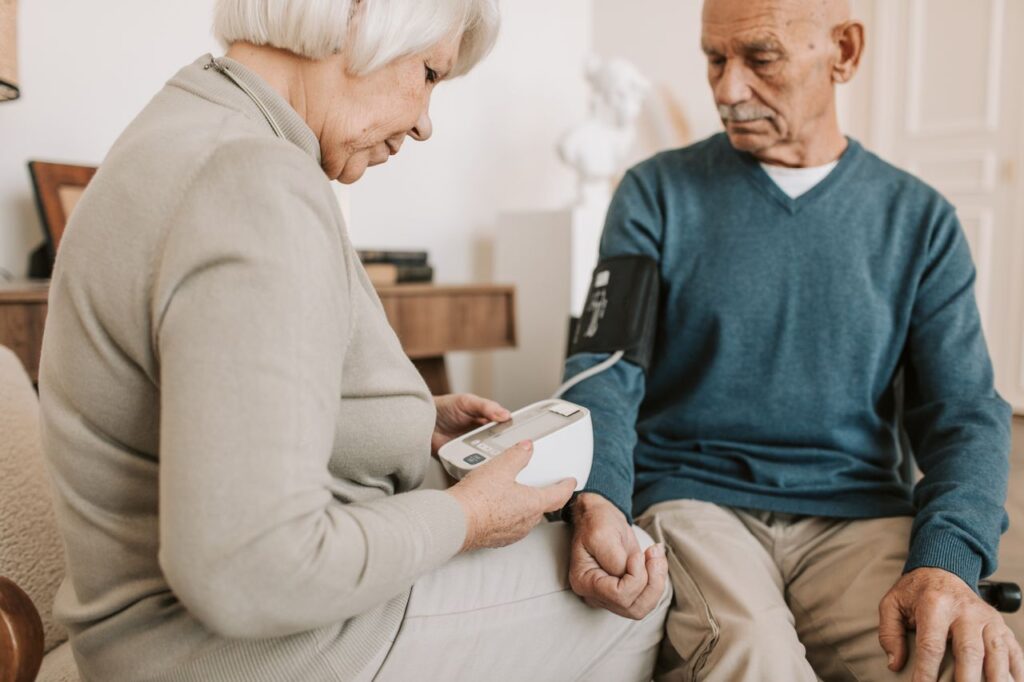
If you are asking is postprandial hypotension dangerous because you regularly become dizzy after eating, a healthcare provider may compare your blood pressure before and after meals.
Blood Pressure Monitoring
Blood pressure may be measured before eating and at different intervals afterward.
This helps determine whether symptoms correspond with a meaningful blood pressure decrease.
Medical History
Your healthcare professional may ask about:
- When symptoms occur
- What you usually eat
- Whether you have fainted
- Your normal blood pressure
- Diabetes
- Heart disease
- Neurological conditions
- Current medications
Medication Review
Certain medications can contribute to low blood pressure or influence the body's cardiovascular response to meals.
Never change prescription medication based solely on home readings without professional guidance.
Additional Testing
Depending on your symptoms, additional testing may include:
- Blood tests
- Electrocardiogram (ECG)
- Heart monitoring
- Blood glucose testing
- Autonomic testing
These tests can help identify or rule out other causes of dizziness and fainting.
How Is Postprandial Hypotension Treated?
Treatment depends on the underlying cause and severity of symptoms.
Eat Smaller Meals
Smaller, more frequent meals may reduce the amount of blood redirected toward digestion at one time.
Stay Appropriately Hydrated
Adequate fluid intake supports circulating blood volume and may help some people maintain more stable blood pressure.
Stand Up Slowly
Getting up suddenly after eating may worsen lightheadedness.
Move gradually from sitting to standing, particularly when you already feel weak or dizzy.
Sit or Lie Down When Dizzy
Trying to continue walking when you feel faint increases the risk of falling.
Sit or lie somewhere safe until the symptoms improve.
Review Medications With Your Doctor
If medication appears to contribute to symptoms, your healthcare professional may consider whether the dose or timing requires adjustment.
Do not make medication changes yourself.
Can Exercise Help?
Physical activity affects circulation, heart rate, and blood pressure. Some people may benefit from carefully planned activity, but exercising immediately after eating is not appropriate for everyone.
People experiencing severe dizziness or near-fainting should be cautious because physical activity could increase their risk of falling.
If weakness, breathlessness, or dizziness also occurs during normal physical activity, learning what is exercise intolerance may help you understand when reduced exercise capacity deserves further medical evaluation.
How Can You Reduce the Risk of Falls?
Preventing injuries is particularly important when low blood pressure causes significant dizziness.
Helpful precautions include:
- Stand slowly after meals.
- Sit immediately when dizziness begins.
- Avoid walking when you feel faint.
- Keep walkways clear.
- Use handrails when necessary.
- Avoid excessive heat if it worsens symptoms.
- Avoid driving while significantly dizzy.
Repeated falls, fainting, or near-fainting should be medically evaluated.
When Should You See a Doctor?
If you repeatedly wonder is postprandial hypotension dangerous because symptoms occur after meals, speak with a healthcare professional.
Medical evaluation is particularly important if you experience:
- Frequent dizziness after eating
- Repeated near-fainting
- Actual fainting
- Significant weakness
- Recurrent falls
- New blood pressure abnormalities
- Symptoms after a medication change
Your clinician may recommend monitoring blood pressure before and after meals to identify a consistent pattern.
When Is Postprandial Hypotension an Emergency?
Seek immediate medical attention if dizziness, very low blood pressure, or fainting occurs with:
- Chest pain or pressure
- Severe difficulty breathing
- New confusion
- Difficulty speaking
- Sudden weakness or numbness
- A severe or irregular heartbeat with significant symptoms
- Loss of consciousness without rapid recovery
- Serious injury after a fall
These symptoms could indicate another cardiovascular or neurological emergency and should not simply be blamed on a recent meal.
Conclusion
So, is postprandial hypotension dangerous? Mild episodes are not necessarily dangerous, but significant blood pressure drops can cause dizziness, fainting, falls, and injuries. Older adults and people with diabetes, hypertension, Parkinson's disease, or autonomic disorders may be more vulnerable.
Smaller meals, appropriate hydration, careful position changes, and medication review may help some people manage symptoms. Persistent or worsening episodes should still be medically evaluated. Because dizziness may also occur when the body struggles to regulate circulation while standing, knowing the symptoms of orthostatic intolerance can provide useful additional context.
Frequently Asked Questions
Is Postprandial Hypotension Dangerous for Older Adults?
It can be. Severe dizziness and fainting increase the risk of falls and fractures, which can have more serious consequences in older adults.
How Soon After Eating Can Blood Pressure Drop?
Blood pressure changes can occur during the period following a meal. Exact timing varies depending on the individual, meal composition, medications, and underlying health conditions.
What Foods Can Make Postprandial Hypotension Worse?
Large meals and meals containing substantial amounts of rapidly absorbed carbohydrates may produce greater blood pressure changes in some susceptible people.
Can Diabetes Cause Low Blood Pressure After Eating?
Yes. Long-standing diabetes can sometimes damage autonomic nerves involved in blood pressure regulation, potentially contributing to hypotension after meals.
Does Drinking Water Help?
Adequate hydration may support circulating blood volume. However, people with heart or kidney conditions should follow their healthcare provider's recommendations regarding fluid intake.
Is Dizziness After Eating Always Caused by Low Blood Pressure?
No. Blood glucose changes, dehydration, medications, heart problems, and other medical conditions can cause similar symptoms.
Can Postprandial Hypotension Cause Fainting?
Yes. A significant blood pressure decrease can cause near-fainting or complete loss of consciousness in some people.
When Should I Worry About Low Blood Pressure After Eating?
Recurring dizziness, fainting, falls, or significant weakness should be evaluated by a healthcare professional. Seek emergency care if symptoms occur with chest pain, severe breathing difficulty, neurological changes, or prolonged loss of consciousness.
