




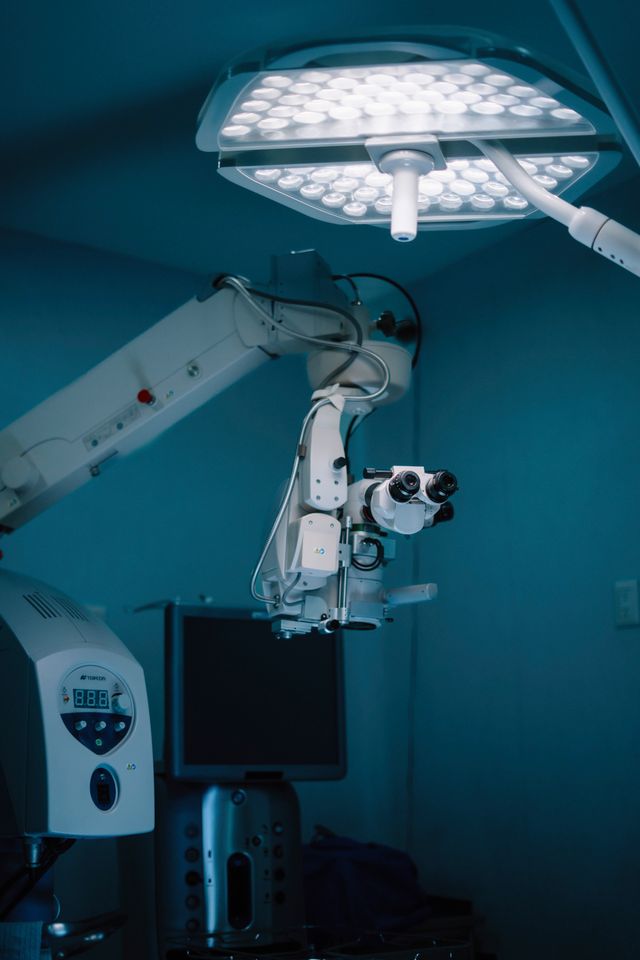
Surgical AI: The Future of Robotic Surgery


For over two decades, surgical technology focused on a straightforward objective. Engineers built better mechanical robots with improved precision and dexterity. However, recent breakthroughs in medical artificial intelligence have fundamentally transformed this narrative. Today, the industry’s most pressing question is no longer about mechanical superiority. Instead, pioneers ask: Can the robot understand the surgery it is performing?
This shift marks a pivotal moment in modern medicine. The next generation of surgical advancement is not about smaller instruments or faster motors. Rather, it centers on creating systems with genuine clinical intelligence. What was once a hardware-driven innovation race has become a computational competition. Success now depends on data analysis, pattern recognition, and the computational understanding of surgical procedures.
From Hardware Innovation to Intelligent Systems
For many years, the success of robotic surgery was measured by tangible mechanical improvements. Technicians developed smaller instruments with greater articulation. They created tools that could reach previously inaccessible areas. Furthermore, these mechanisms offered enhanced precision far beyond what is naturally possible for humans.
Consequently, those mechanical advances continue to progress at an impressive speed. Yet, a quieter revolution is reshaping the entire operating room. Modern surgical environments are transforming into data-rich ecosystems. Every movement, every tissue interaction, and every decision point now generates valuable information. Because of this change, the next competitive advantage won’t come from better mechanical components. It will come from advanced computational analysis.
Data has effectively become the newest surgical instrument. By collecting and analyzing patterns from thousands of procedures, artificial intelligence can identify optimal techniques. It can predict complications before they occur. Ultimately, the software guides surgeons toward the most effective approaches in real time.
How AI Augments Surgical Capability
Early medical AI focused on identifying general patterns of human pathology. The second generation learned to recognize specific anatomical structures. Today’s most advanced systems are achieving something far more sophisticated. They understand the complete context of a live surgical procedure as it unfolds.
This intelligence dramatically augments what surgeons can perceive and accomplish. For decades, minimally invasive surgery meant sacrificing tactile feedback. Doctors lost the ability to directly feel tissue resistance and subtle anatomical differences. However, new haptic feedback systems address this limitation. They translate digital information back into physical sensations that surgeons can interpret through their fingertips.
Beyond haptic restoration, modern systems provide enhanced visualization that exceeds the limits of natural human vision. Multi-view imaging combined with real-time data analysis allows surgeons to evaluate several metrics simultaneously. They can track tissue composition, blood flow patterns, and potential danger zones together. The result is a surgical experience where the robot doesn’t replace human judgment. Instead, it actively amplifies human perception and decision-making.
Supervised Autonomy: The Practical Reality
Public discussions about surgical robotics often focus on fears that autonomous machines will replace human physicians. This narrative, while attention-grabbing, misses the actual evolution of surgical technology. The reality is far more nuanced and practical.
Artificial intelligence in modern operating rooms functions as an intelligent assistant, not an autonomous agent. For example, automated tissue tracking helps surgeons maintain precise instrument positioning without constant manual adjustment. Intelligent suturing suggestions reduce the cognitive load of repetitive decision-making. Meanwhile, real-time safety monitoring alerts surgeons to potential complications before they become critical.
These forms of supervised autonomy accomplish something important. They reduce operator fatigue and cognitive burden. As a result, surgeons can focus mental energy on complex clinical judgment. Final accountability remains firmly in human hands. The surgical team maintains complete override authority and ultimate responsibility for every single decision.
This partnership between human expertise and machine intelligence represents the genuine future of surgical medicine. Rather than seeking replacement, the goal remains augmentation. We want to make skilled surgeons more effective, safer, and better able to achieve superior outcomes.
The Data-Driven Operating Room
Modern surgery increasingly depends on real-time information synthesis. During a complex procedure, multiple data streams operate simultaneously. The team tracks live surgical video from multiple angles, patient vital signs, and imaging data. They also monitor tissue analysis and historical case information.
Coordinating all this information would quickly overwhelm human cognitive capacity. Advanced AI systems excel at this exact task. They analyze patterns across thousands of previous surgeries. Next, they identify which techniques produced optimal outcomes in similar cases. They then present relevant insights to the surgical team precisely when needed.
This data integration serves several critical functions. First, it helps prevent mistakes by flagging unusual anatomy or unexpected tissue characteristics. It also guides surgical planning by identifying the most effective approach based on patient-specific factors. Finally, it supports training by capturing precisely how expert surgeons differ to achieve superior results.
Looking Forward
The phrase “robotics expands beyond the operating theatre” captures an essential truth about modern surgery. The physical robot is no longer simply a precision tool. It has become a sophisticated information processor and clinical decision-support system.
By strategically combining artificial intelligence with experienced human judgment, hospitals can deliver safer, more consistent care. These advanced computational systems do not replace a surgeon's expertise. Instead, they amplify it, multiply it, and make it more reliable.
The future of surgery belongs neither to robots alone nor to human surgeons working without technological support. Instead, it belongs to seamless human-machine partnerships. Each partner contributes its unique strengths. Right now, machines provide tireless precision, consistent pattern recognition, and unlimited data processing. Meanwhile, humans provide clinical judgment, contextual understanding, and ultimate responsibility for patient outcomes.
Frequently Asked Questions
Will an AI robot perform my entire surgery without a surgeon present? No. Surgical robots function strictly as assistants under the surgeon’s complete control. While systems can automate specific repetitive tasks like tissue tracking, every critical decision remains the responsibility of a trained surgical specialist.
What is the practical value of haptic feedback in robotic surgery? Haptic feedback allows surgeons using a remote console to feel tissue resistance and texture through the robotic instruments. This restored sense of touch prevents accidental tissue damage during delicate procedures. It also provides crucial real-time feedback at the surgical site.
How does data improve surgical outcomes? Modern systems analyze real-time video feeds, patient imaging, vital signs, and historical case data simultaneously. This integrated information helps surgeons identify optimal techniques, anticipate complications, and make more informed decisions throughout the procedure.