




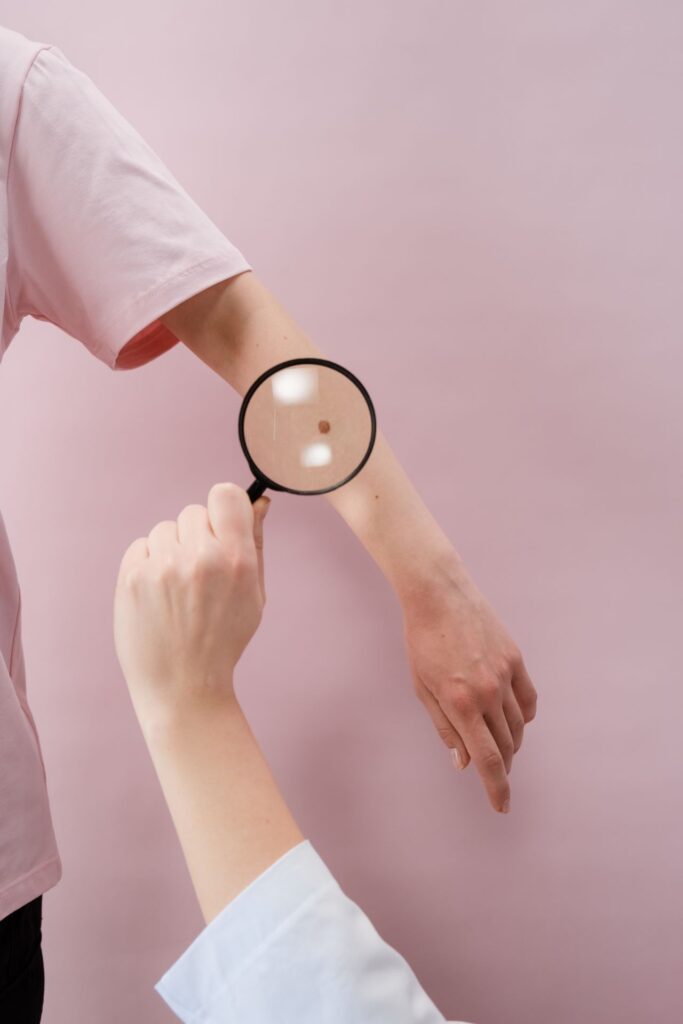
What Is Petechiae? Causes, Symptoms, Treatment, and When to Worry


Tiny red, purple, or brown dots on the skin can be surprising, especially when they appear without an obvious injury. If you are wondering what is petechiae, these pinpoint spots develop when very small blood vessels leak a tiny amount of blood beneath the skin or mucous membranes. They may resemble a rash, but they are actually small areas of bleeding.
In many cases, these spots appear after coughing, vomiting, heavy lifting, or another activity that temporarily increases pressure in tiny blood vessels. However, infections, low platelet levels, certain medications, and other medical conditions can also be responsible.
Understanding what is petechiae can help you recognize these spots and know when a healthcare professional should evaluate them.
What Is Petechiae?
The simplest answer to what is petechiae is that it is a pattern of tiny spots caused by bleeding from capillaries, the smallest blood vessels in the body.
The spots are generally:
- Pinpoint-sized
- Flat rather than raised
- Red, purple, or brown
- Present individually or in clusters
- Usually not itchy
- Non-blanching
"Non-blanching" means the color generally remains when you press on the area. This happens because the discoloration comes from blood that has leaked beneath the skin rather than temporary widening of surface blood vessels.
These tiny dots can develop on the skin and may also occur inside the mouth or eyelids.
What Does It Look Like?
One reason people ask what is petechiae is that the spots can easily be mistaken for an ordinary rash.
They may appear bright red at first and later look purple or brown. On darker skin tones, the discoloration may be less obvious or appear brown rather than bright red.
A typical inflammatory rash may become lighter when pressed. Pinpoint bleeding beneath the skin generally does not.
However, appearance alone cannot reliably identify the underlying cause. If the spots appear suddenly without explanation or are widespread, medical evaluation is appropriate.
What Causes Tiny Red or Purple Spots?
There are many possible explanations, ranging from temporary physical strain to conditions affecting blood clotting.
Coughing, Vomiting, or Straining
Strong physical strain can cause tiny capillaries to break.
This may happen after:
- Severe coughing
- Repeated vomiting
- Childbirth
- Heavy lifting
- Other prolonged straining
In these circumstances, the spots often occur around the face, neck, or upper chest.
If there are no other concerning symptoms and the trigger is obvious, the discoloration may gradually resolve as the body reabsorbs the small amount of blood.
Minor Injury or Pressure
Friction, trauma, or localized pressure can sometimes damage tiny vessels close to the skin.
When the spots are limited to the area exposed to pressure, the cause may be relatively straightforward. Unexplained spots appearing across multiple areas of the body require more attention.
Infections
Certain bacterial, viral, and other infections can cause pinpoint bleeding. Examples associated with this finding include mononucleosis, strep-related illnesses, endocarditis, and some serious bloodstream infections.
The presence of fever or significant illness alongside rapidly developing spots is particularly important.
Can Low Platelets Cause These Spots?
Yes. Platelets are blood components that play an essential role in clotting.
When platelet levels become too low—a condition known as thrombocytopenia—small amounts of bleeding can occur more easily. Other symptoms may include:
- Easy bruising
- Frequent nosebleeds
- Bleeding gums
- Prolonged bleeding from cuts
- Blood in urine or stool
- Unusually heavy menstrual bleeding
A complete blood count (CBC) can measure platelet levels.
Low platelets have many possible causes, so finding these skin changes does not tell you why the platelet count might be abnormal.
Can Medications Cause Pinpoint Spots?
Yes. When explaining what is petechiae, medications also need to be considered.
Some medicines can affect blood vessels, platelets, or the body's ability to clot normally. Mayo Clinic lists certain medicines, including some antibiotics and seizure medications, among possible triggers.
If the spots develop after starting a new medicine, contact your healthcare provider.
Do not stop a prescription medication on your own unless a medical professional advises you to do so.
Are Petechiae a Sign of Leukemia?
This is a common concern, but tiny red spots alone do not mean someone has leukemia.
Certain blood and bone marrow disorders can produce abnormal bleeding, including this type of skin finding. However, much more common explanations also exist.
A healthcare provider may be more concerned when unexplained skin bleeding occurs alongside symptoms such as:
- Frequent unexplained bruising
- Recurrent infections
- Persistent fatigue
- Unusual bleeding
- Unexplained weight loss
- Night sweats
Blood tests can help determine whether further investigation is necessary.
Petechiae vs. Purpura vs. Bruises
Understanding what is petechiae becomes easier when comparing it with other forms of bleeding beneath the skin.
Petechiae are the smallest pinpoint spots. Purpura describes larger areas of bleeding, while ecchymosis refers to still larger bruise-like discoloration.
These terms describe the appearance and size of bleeding rather than identifying its underlying cause.
Where Do the Spots Usually Appear?
They can occur almost anywhere, including the:
- Legs
- Arms
- Abdomen
- Face
- Neck
- Mouth
- Eyelids
Location sometimes provides useful clues. For example, spots around the face after forceful vomiting may be related to increased pressure during straining.
In contrast, unexplained spots covering several areas of the body should be assessed by a healthcare professional.
How Is the Cause Diagnosed?
Because the skin finding itself is not a disease, diagnosis focuses on identifying why the bleeding occurred.
Medical History
A healthcare professional may ask about:
- Recent illnesses
- Fever
- New medications
- Recent coughing or vomiting
- Injuries
- Easy bruising
- Nosebleeds
- Other unusual bleeding
Physical Examination
The clinician may examine the distribution, size, and appearance of the spots and look for other evidence of bleeding or infection.
Blood Tests
Depending on your symptoms, testing may include:
- Complete blood count
- Platelet count
- Blood-clotting tests
- Tests for suspected infections
A CBC and clotting studies are commonly used when a platelet or bleeding problem is suspected.
Further testing depends on the results and your medical history.
How Is It Treated?
There is no single treatment because management depends entirely on the underlying cause.
For example, spots caused by physical strain may disappear without specific treatment. A bacterial infection may require antibiotics, while abnormal platelet levels or inflammatory conditions require treatment directed at the underlying disorder.
Trying to remove the spots with skin creams will generally not address the problem because the discoloration comes from bleeding underneath the skin.
How Long Do the Spots Last?
There is no exact timeline.
When a few small vessels break because of temporary pressure or minor injury, the marks may gradually fade as the body reabsorbs the blood.
If an underlying illness or bleeding problem remains active, new spots may continue to develop.
Pay attention to whether the marks are fading, increasing, or spreading.
When Should You See a Doctor?
Knowing what is petechiae is particularly important because unexplained cases should not simply be ignored.
Mayo Clinic recommends seeing a healthcare professional if the spots develop throughout the body or you cannot identify their cause.
You should also seek medical advice if they:
- Keep appearing
- Spread to new areas
- Occur with unusual bruising
- Develop alongside nosebleeds or bleeding gums
- Appear after starting a medication
- Occur with persistent illness
Children with unexplained pinpoint bleeding should also be appropriately evaluated.
When Is It an Emergency?
Some combinations of symptoms require immediate medical attention.
Seek urgent care if rapidly spreading red or purple spots occur with:
- Fever and severe illness
- Confusion
- Difficulty breathing
- Loss of consciousness
- Severe weakness
- Uncontrolled bleeding
Rapidly spreading spots accompanied by systemic illness can sometimes indicate a serious medical condition.
Do not delay medical attention while repeatedly performing home tests on the rash if the person is seriously unwell.
Conclusion
So, what is petechiae? It refers to tiny, flat red, purple, or brown spots created when small blood vessels leak beneath the skin. They can develop after coughing, vomiting, heavy lifting, or minor trauma, but infections, medications, low platelets, and other medical conditions are also possible causes.
A few spots with an obvious harmless trigger may fade naturally, but unexplained, widespread, recurring, or rapidly spreading spots deserve medical attention. The surrounding symptoms matter just as much as the appearance of the skin.
Frequently Asked Questions
What is petechiae in simple terms?
It is tiny pinpoint bleeding beneath the skin caused when very small blood vessels leak.
Do these spots disappear when pressed?
Usually not. Unlike many inflammatory rashes, this type of bleeding generally remains visible when pressure is applied.
Can coughing cause tiny red spots on the face?
Yes. Forceful or prolonged coughing can break small capillaries and produce pinpoint marks, particularly around the face, neck, or chest.
Can low platelets cause red or purple dots?
Yes. Thrombocytopenia can cause pinpoint skin bleeding along with symptoms such as easy bruising, nosebleeds, or bleeding gums.
Are these spots always a sign of something serious?
No. Physical strain or minor injury can cause them. However, unexplained or widespread spots can sometimes have a more serious cause.
Can a vitamin deficiency cause them?
Severe vitamin C deficiency is one possible cause, although there are many other explanations.
How long does it take for the spots to disappear?
It depends on the cause. Minor strain-related marks may gradually fade, while an untreated underlying condition may cause additional spots to appear.
When should I worry about pinpoint red spots?
Seek medical evaluation if they are unexplained, widespread, recurring, or associated with abnormal bleeding. Rapidly spreading spots with fever, breathing problems, confusion, or severe illness require urgent medical attention.
