




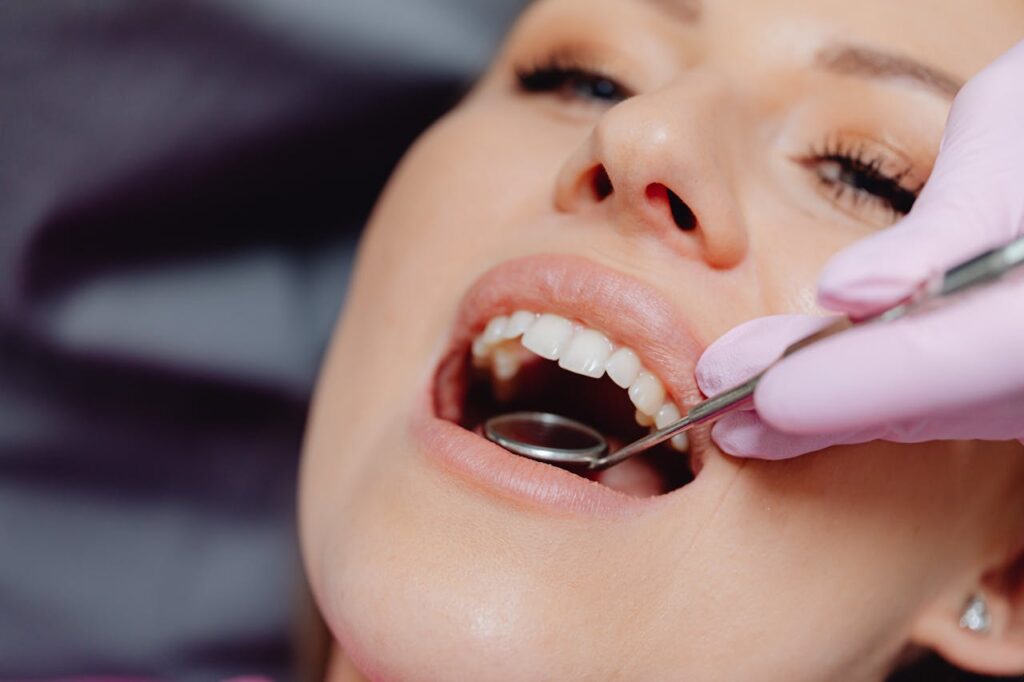
How to Reduce Gum Inflammation: Causes, Treatment, and Prevention Tips


Gum inflammation is a common dental issue that can cause redness, swelling, tenderness, and bleeding gums. If left untreated, it may lead to more serious oral health problems. Many people search for how to reduce gum inflammation because healthy gums are essential for overall dental health. The good news is that proper oral care and healthy habits can help improve gum health naturally.
What Causes Gum Inflammation?
Understanding the causes is the first step in learning how to reduce gum inflammation.
Poor Oral Hygiene
Plaque buildup along the gumline is one of the most common causes of inflamed gums.
Gum Disease
Gingivitis, the early stage of gum disease, often causes swelling and irritation.
Smoking and Tobacco Use
Smoking weakens gum tissue and increases the risk of inflammation.
Hormonal Changes
Pregnancy, menopause, and hormonal fluctuations may affect gum health.
Poor Nutrition
A lack of essential nutrients, especially vitamin C, can contribute to gum problems.
Common Symptoms of Inflamed Gums
Recognizing symptoms early can help you understand how to reduce gum inflammation before it worsens.
Common Signs
- Red or swollen gums
- Bleeding while brushing or flossing
- Tenderness or pain
- Bad breath
- Gum sensitivity
These symptoms may indicate irritation or early gum disease.
How to Reduce Gum Inflammation Naturally
1. Brush Properly Twice a Day
Good oral hygiene is essential when learning how to reduce gum inflammation. Use a soft-bristled toothbrush and brush gently.
2. Floss Daily
Flossing removes food particles and plaque between teeth where brushing cannot reach.
3. Use Warm Salt Water Rinses
Salt water may help reduce bacteria and soothe irritated gums.
4. Stay Hydrated
Drinking water helps wash away food particles and bacteria.
5. Improve Your Diet
Eating nutrient-rich foods supports gum healing and overall oral health.
Foods That Support Healthy Gums
- Leafy greens
- Citrus fruits
- Dairy products
- Crunchy vegetables
Best Oral Care Habits
Healthy habits play an important role in how to reduce gum inflammation.
Use Antibacterial Mouthwash
Mouthwash may help reduce plaque and bacteria buildup.
Replace Your Toothbrush Regularly
Old toothbrushes may not clean effectively.
Avoid Smoking
Smoking increases irritation and slows healing.
Medical Treatments for Gum Inflammation
In some cases, professional treatment may be needed.
Dental Cleaning
A dentist can remove plaque and tartar buildup more effectively.
Deep Cleaning Procedures
Scaling and root planing may help if inflammation is severe.
Medication
Dentists may recommend antibacterial treatments or medicated rinses.
How Gum Inflammation Affects Overall Health
Poor gum health may affect more than just your mouth. Research suggests links between gum disease and conditions such as heart disease and diabetes. This is why learning how to reduce gum inflammation is important for overall health.
Preventing Gum Inflammation
You can reduce the risk of future problems by maintaining healthy habits.
- Brush and floss consistently
- Visit the dentist regularly
- Eat a balanced diet
- Limit sugary foods and drinks
These steps can support long-term gum health.
When to See a Dentist
You should seek professional care if:
- Symptoms last more than a week
- Gums bleed frequently
- Swelling becomes severe
- You experience loose teeth or pain
Early treatment can prevent serious dental complications.
Conclusion
Learning how to reduce gum inflammation is essential for maintaining healthy teeth and gums. Simple habits such as proper brushing, flossing, hydration, and healthy eating can make a big difference. If symptoms continue or worsen, professional dental care is the best way to protect your oral health.
Frequently Asked Questions (FAQs)
1. What causes gum inflammation?
Plaque buildup, poor hygiene, smoking, and gum disease are common causes.
2. How to reduce gum inflammation quickly?
Brush gently, floss daily, and rinse with warm salt water.
3. Can gum inflammation go away naturally?
Mild cases may improve with proper oral care.
4. Does diet affect gum health?
Yes, nutrient-rich foods support healthy gums.
5. Is bleeding gums a sign of inflammation?
Yes, bleeding is a common symptom.
6. Can stress affect gums?
Yes, stress may worsen inflammation.
7. When should I see a dentist?
If symptoms persist or become severe.
8. Does smoking increase gum problems?
Yes, smoking raises the risk of gum disease.
