




Top Probiotic Foods for Gut Health


In recent years, the phrase "health begins in the gut" has moved from the fringes of holistic wellness to the center of mainstream medical advice. Modern science continues to unveil the profound impact our digestive system has on everything from our immune response to our mental state. At the core of this internal ecosystem are probiotics, the beneficial bacteria that keep our microbiome balanced.
While supplement aisles are packed with probiotic capsules, many nutritionists argue that the best way to introduce these friendly bacteria is through diet. But with so many options on the shelves, how do you know which foods actually deliver results?
What Are Probiotic Foods?
Probiotic foods are items that have been fermented, allowing beneficial bacteria (probiotics) to grow and thrive. However, not all fermented foods are probiotic. For a food to be considered a true probiotic source, it must contain live, active cultures that survive the journey through your stomach acid to reach your intestines.
The process of fermentation is an ancient preservation technique. Humans have been fermenting foods for thousands of years, not just to extend shelf life, but because it enhances flavor and nutrient availability. When microorganisms like bacteria and yeast break down food components such as sugars and starches, they produce lactic acid or alcohol. This process creates an environment where bad bacteria struggle to survive, while good bacteria flourish.
Top Probiotic Foods to Include in Your Diet
If you are looking to cultivate a healthier gut microbiome, diversity is key. Here are the top probiotic-rich foods to incorporate into your daily routine.
Yogurt
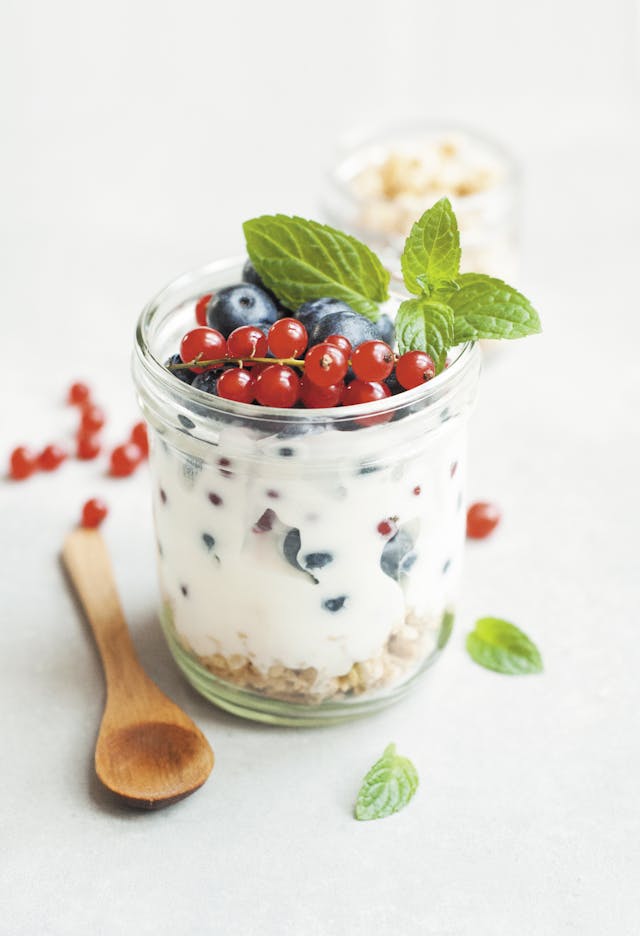
Yogurt is perhaps the most well-known probiotic food. It is made from milk fermented by bifidobacteria and lactic acid bacteria. Yogurt is also a good source of protein and calcium. Studies suggest that yogurt consumption can improve bone health and regulate blood pressure.
Always look for yogurt that contains live and active cultures on the label. Avoid brands with high sugar content, as sugar can feed harmful gut bacteria. Greek yogurt is a fantastic option for those seeking higher protein content.
Kefir
Think of kefir as yogurt’s drinkable, more potent cousin. Originating from the Caucasus Mountains, kefir is made by adding kefir grains (a combination of yeast and bacteria) to milk.
Kefir contains a wider variety of strains and a higher count of bacteria than yogurt. It is also rich in B vitamins, phosphorus, and calcium.
The fermentation process breaks down much of the lactose in the milk, making it often tolerable for those who are lactose intolerant.
Sauerkraut
This staple of German cuisine consists of finely shredded cabbage fermented by various lactic acid bacteria.
Beyond its probiotic benefits, sauerkraut is packed with fiber, Vitamin C, and Vitamin K.
To reap the probiotic benefits, you must buy raw, unpasteurized sauerkraut (often found in the refrigerated section). Canned or jarred sauerkraut found on non-refrigerated shelves have usually been pasteurized, a heat process that kills the beneficial bacteria.
Kimchi
Kimchi is a spicy, fermented vegetable dish that is a cornerstone of Korean cuisine. It is typically made from cabbage, radishes, and scallions, seasoned with chili powder, garlic, and ginger.
Kimchi is a flavor bomb that adds depth to any meal. It is rich in antioxidants, Vitamin A, and Vitamin C. The spices used in kimchi, particularly ginger and garlic, have their own anti-inflammatory properties.
Kombucha
Kombucha is a effervescent beverage created by fermenting green or black tea. It has become incredibly popular in the health and wellness community over the last decade.
It is a low-calorie alternative to soda and provides the added benefits of green tea, such as fat burning and blood sugar control.
Kombucha contains small amounts of alcohol and caffeine. It can also be high in sugar if not chosen carefully, so always check the nutrition label.
Miso
Miso is a Japanese seasoning paste made by fermenting soybeans with salt and a fungus called koji. It’s used as the base ingredient for the famous miso soup. Miso is rich in protein, fiber, and essential minerals like copper and zinc.
To preserve the live cultures, do not boil miso. Add it to soups or sauces at the end of the cooking process, allowing it to dissolve in warm, but not scorching, liquid.
Tempeh
Tempeh distinguishes itself from tofu, which is processed from soy milk, by utilizing whole soybeans that have undergone fermentation. The result is a firm, nutty block that has become a cornerstone of plant-based eating. As a potent source of probiotics and plant-based protein, tempeh offers a dual benefit. Furthermore, the fermentation process neutralizes anti-nutrients like phytic acid, allowing your body to absorb the soybean's minerals more effectively.
The Health Benefits of a Probiotic-Rich Diet
Introducing these fermented foods into your daily routine does far more than simply aid digestion; the advantages of a balanced microbiome extend throughout the entire body.
Improved Digestive Health
The most immediate impact is often seen in digestive comfort. Probiotics work to repopulate the gut with beneficial bacteria, correcting imbalances caused by antibiotics, poor dietary choices, or chronic stress. This restoration of harmony can significantly alleviate common grievances such as bloating, constipation, diarrhea, and the discomfort associated with irritable bowel syndrome (IBS).
Enhanced Immune System
Approximately 70 percent of your body's immune system is housed within your gut. Probiotic foods stimulate the production of immune cells like T-lymphocytes and Immunoglobulin A (IgA). By crowding out harmful pathogens, these beneficial bacteria act as a first line of defense against infection.
Mental Health and the Gut-Brain Axis
The concept of the gut-brain axis is a fascinating area of research. Your gut is often called your second brain because it produces a significant amount of the body's serotonin—the happy chemical. Emerging research suggests that a healthy gut microbiome may help reduce symptoms of depression, anxiety, and stress.
Heart Health
Specific probiotic strains contribute to cardiovascular wellness by targeting LDL (bad) cholesterol. These beneficial bacteria work by breaking down bile salts in the intestine, preventing them from being reabsorbed into the bloodstream where they can negatively impact cholesterol levels. Additionally, regular consumption of fermented dairy products like kefir and yogurt has been associated with maintaining healthy blood pressure.
Conclusion
Incorporating probiotic foods into your daily regimen provides a tasty, natural, and potent method to take charge of your well-being. By looking past the supplement aisle and embracing the complex flavors of kimchi, miso, kefir, and yogurt, you are doing more than simply feeding yourself; you are nurturing a sophisticated internal ecosystem that underpins your mental health, immune defenses, and digestion.
Improving your gut health does not demand a total lifestyle transformation. Instead, it relies on small, deliberate decisions at the grocery store. Try swapping your usual afternoon soda for a bottle of kombucha or adding a scoop of sauerkraut to your dinner salad to kickstart your journey toward better health.
Frequently Asked Questions (FAQ)
Can I cook probiotic foods?
Excessive heat destroys live bacteria. To preserve the probiotic benefits, add fermented ingredients to your meals at the very end of the cooking process or enjoy them raw, for instance, topping a warm stir-fry with a fresh spoonful of kimchi.
Do I need to refrigerate probiotic foods?
In most cases, yes. Refrigeration is essential to keep the live cultures active and prevent the food from spoiling. Be aware that some products found on unrefrigerated shelves, such as certain brands of sauerkraut or miso, have been pasteurized, a process that kills the beneficial bacteria. Always read the packaging to confirm the presence of live and active cultures.
Can children eat probiotic foods?
Absolutely. Probiotic foods are generally safe and beneficial for children. Foods like yogurt and kefir serve as excellent, kid-friendly introductions to fermented fare. As with any dietary change, it is wise to watch for any minor digestive upset as their systems adjust.
