




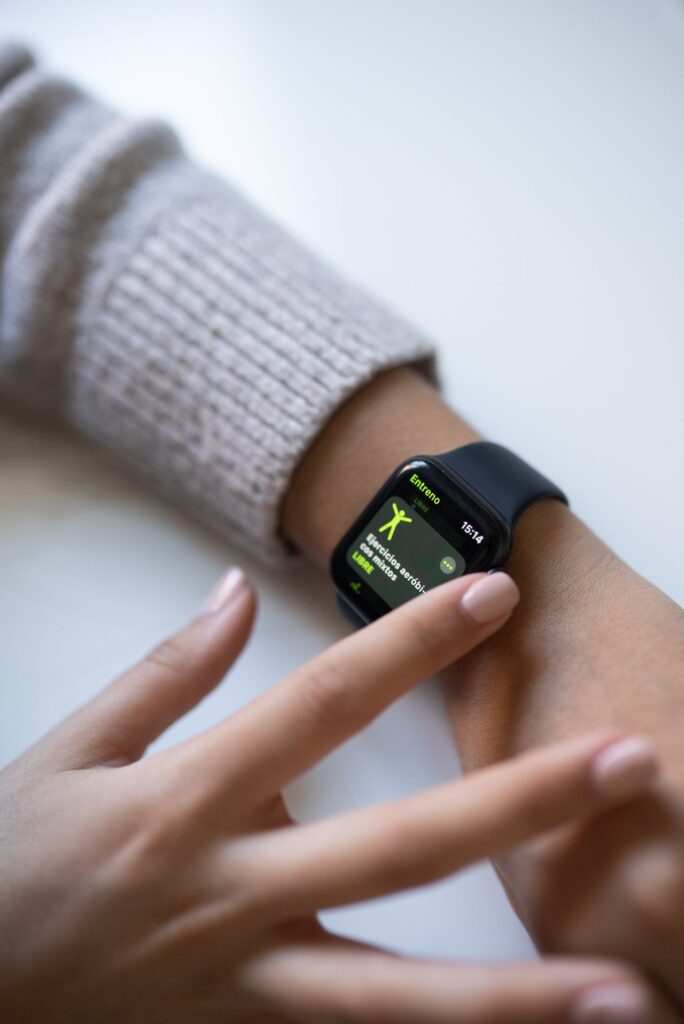
Wearable Health Technology: How Smart Devices Are Transforming Personal Healthcare


Technology has changed the way we monitor and manage our health. What once required a visit to a doctor's office can now often be tracked from your wrist or smartphone. From counting daily steps to monitoring heart rate and sleep quality, wearable health technology has become part of everyday life for millions of people.
These smart devices provide real-time health information that can help users better understand their bodies and make informed lifestyle choices. While they are not a replacement for professional medical care, they can support healthier habits, encourage physical activity, and even help detect potential health concerns earlier.
In this guide, you'll learn what wearable health technology is, how it works, its benefits and limitations, the different types of devices available, and tips for choosing the right one.
What Is Wearable Health Technology?
Wearable health technology refers to electronic devices designed to be worn on the body to monitor health, fitness, or medical information. These devices use built-in sensors to collect data and display it through a companion app or digital dashboard.
Unlike traditional medical equipment, wearable devices are designed for everyday use and provide continuous monitoring rather than occasional measurements.
Common health metrics tracked include:
- Heart rate
- Daily steps
- Calories burned
- Sleep duration
- Blood oxygen levels
- Physical activity
- Stress levels
- Skin temperature
- Exercise performance
Many devices also connect to smartphones, allowing users to view trends and receive personalized health insights.
How Does Wearable Health Technology Work?
Most wearable health technology devices rely on miniature sensors that continuously collect physiological data.
Common sensors include:
Optical Heart Rate Sensors
These sensors use light to measure changes in blood flow beneath the skin, helping estimate your heart rate throughout the day.
Accelerometers
Accelerometers detect body movement to count steps, estimate distance traveled, and measure activity levels.
Gyroscopes
Gyroscopes monitor body orientation and movement, improving exercise tracking and fall detection features.
Temperature Sensors
Some advanced devices measure skin temperature to identify changes that may be related to illness, recovery, or menstrual cycle tracking.
Blood Oxygen Sensors
Many smartwatches now estimate blood oxygen saturation (SpO₂), which can provide additional information about respiratory health.
The collected data is processed using software algorithms and displayed through mobile applications that allow users to review daily, weekly, and monthly health trends.
Types of Wearable Health Technology
There are several forms of wearable health technology, each designed for different health and fitness goals.
Smartwatches
Smartwatches combine fitness tracking with smartphone features.
Many can monitor:
- Heart rate
- Sleep
- Physical activity
- Blood oxygen
- Exercise sessions
- Notifications
- GPS location
Fitness Trackers
Fitness bands focus primarily on physical activity.
They commonly track:
- Steps
- Distance
- Calories burned
- Exercise minutes
- Sleep
These devices are often lighter and more affordable than smartwatches.
Smart Rings
Smart rings provide health tracking in a compact design.
Depending on the model, they may monitor:
- Sleep quality
- Heart rate
- Activity
- Recovery
- Body temperature
Medical Wearables
Some devices are specifically designed for people with medical conditions.
Examples include:
- Continuous glucose monitors (CGMs)
- Wearable ECG monitors
- Portable heart rhythm monitors
- Blood pressure monitoring wearables
These devices often work alongside healthcare professionals to support disease management.
Benefits of Wearable Health Technology
Many people find that wearable health technology helps them become more aware of their daily habits.
Encourages Physical Activity
Activity reminders motivate users to move more throughout the day.
Simple goals such as reaching a daily step target can encourage regular exercise.
Improves Sleep Awareness
Many devices estimate:
- Sleep duration
- Sleep stages
- Sleep consistency
Reviewing these patterns may encourage healthier bedtime routines.
Supports Heart Health
Many wearables continuously monitor heart rate and can notify users if unusually high or low readings are detected.
Some advanced models also provide irregular heart rhythm notifications that users can discuss with their healthcare provider.
Helps Manage Chronic Conditions
Certain wearable devices assist people living with conditions such as:
- Diabetes
- High blood pressure
- Heart disease
Continuous monitoring can help users better understand how lifestyle choices affect their health.
Increases Motivation
Tracking progress often motivates people to stay consistent with:
- Walking
- Running
- Cycling
- Strength training
- Weight management
Seeing measurable improvements can reinforce healthy habits.
Limitations of Wearable Health Technology
Although wearable health technology offers many advantages, it also has limitations.
Measurements Are Estimates
Consumer wearables provide estimates rather than clinical-grade measurements.
Factors such as device placement, skin tone, tattoos, movement, and poor sensor contact can affect accuracy.
Not a Medical Diagnosis
A wearable device cannot diagnose diseases.
Abnormal readings should always be evaluated by a qualified healthcare professional.
Battery Life
Many devices require charging every few days, depending on usage and available features.
Privacy Considerations
Wearable devices collect large amounts of personal health information.
Before purchasing a device, review the company's privacy policy and data-sharing practices.
Who Can Benefit From Wearable Health Technology?
Wearable health technology can be useful for a wide variety of people.
It may benefit:
- Adults wanting to improve fitness
- Older adults monitoring activity
- Athletes tracking performance
- People managing chronic illnesses
- Individuals working toward weight management goals
- People recovering after illness or surgery
- Anyone interested in monitoring general wellness
Healthcare providers may also recommend certain medical-grade wearable devices for specific conditions.
Tips for Choosing the Right Wearable Device
Not every wearable offers the same features.
Before buying, consider the following:
Your Health Goals
Think about what you want to track.
For example:
- Exercise performance
- Sleep quality
- Heart health
- Blood glucose
- Stress management
Battery Life
Choose a device with battery performance that matches your lifestyle.
Comfort
A wearable should feel comfortable enough to wear throughout the day and while sleeping if sleep tracking is important.
App Compatibility
Ensure the device works with your smartphone and offers an easy-to-use companion app.
Accuracy and Reputation
Choose products from reputable manufacturers with a strong record of software updates and customer support.
The Future of Wearable Health Technology
The future of wearable health technology continues to evolve rapidly.
Emerging developments include:
- More advanced artificial intelligence for health insights
- Improved sleep analysis
- Better stress monitoring
- Non-invasive glucose monitoring research
- Earlier detection of certain health changes
- Integration with telemedicine services
- Personalized health recommendations
As sensor technology improves, wearable devices may become even more useful in supporting preventive healthcare and long-term wellness.
Conclusion
Wearable health technology has changed the way people monitor their health by providing continuous access to valuable personal health information. Whether you're tracking daily activity, monitoring heart rate, improving sleep habits, or supporting the management of a chronic condition, these devices can encourage healthier lifestyle choices and greater awareness of your overall well-being. While wearable devices should never replace professional medical advice or diagnosis, they can serve as powerful tools for staying informed and motivated. Choosing a device that aligns with your health goals and using it consistently can help you make meaningful improvements to your everyday health.
Frequently Asked Questions
What is wearable health technology?
Wearable health technology refers to electronic devices worn on the body that monitor health, fitness, or medical information using built-in sensors.
Is wearable health technology accurate?
Many devices provide reasonably accurate estimates for everyday wellness tracking, but they are not a substitute for medical-grade diagnostic equipment.
Can wearable devices detect heart problems?
Some advanced wearables can detect irregular heart rhythms or unusual heart rate patterns, but only a healthcare professional can diagnose heart conditions.
Are wearable fitness trackers worth buying?
For many people, fitness trackers can increase motivation, encourage physical activity, and provide useful insights into daily habits.
Can wearable devices monitor sleep?
Yes. Many smartwatches, fitness bands, and smart rings estimate sleep duration, sleep stages, and sleep quality.
Is wearable health technology safe?
Most wearable devices are considered safe for everyday use when used according to the manufacturer's instructions.
Can wearable technology help people with diabetes?
Certain medical wearables, such as continuous glucose monitors, help people with diabetes monitor blood glucose levels throughout the day.
What should I consider before buying a wearable health device?
Consider your health goals, desired features, comfort, battery life, smartphone compatibility, privacy practices, and overall device reliability.
