




What Causes Excessive Sweating? Causes, Symptoms, and When to Worry


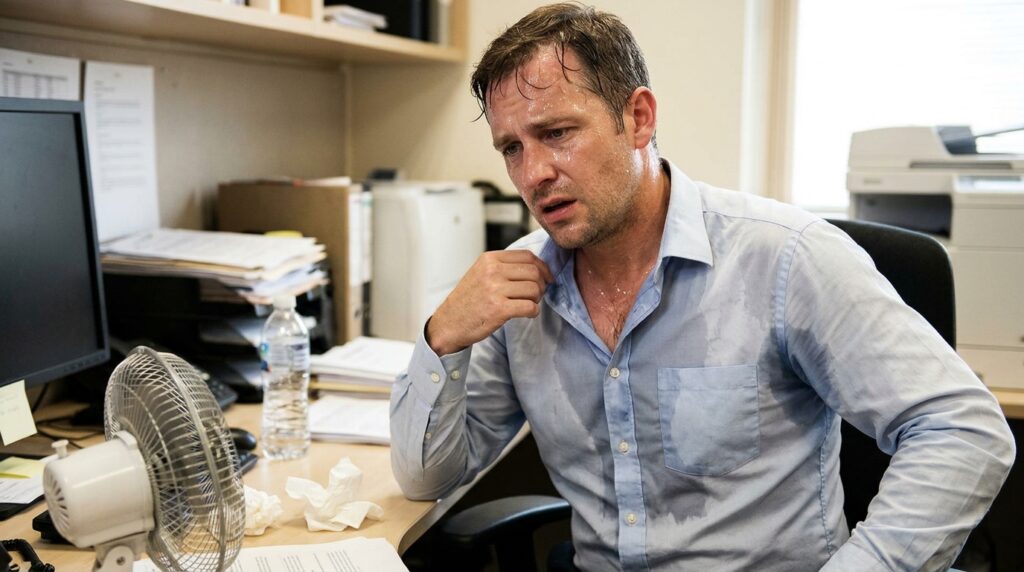
Sweating is a normal way for your body to control its temperature. You may sweat during exercise, hot weather, or stressful situations. But if you regularly sweat much more than expected, even when you are resting or in a cool environment, you may wonder what causes excessive sweating.
Excessive sweating can affect the hands, feet, underarms, face, scalp, or much of the body. Sometimes it happens without an obvious medical cause. In other cases, medications, hormonal changes, low blood sugar, thyroid problems, infections, or other conditions may be responsible. If your sweating is accompanied by unexplained weight changes, thirst, or other symptoms, understanding why you may be thirsty all the time may provide useful context.
What Is Excessive Sweating?
Excessive sweating means producing more sweat than your body needs for temperature regulation.
It may happen:
- While sitting still
- During mild activity
- In a cool room
- During the daytime
- At night
- On one specific area of the body
- Across much of the body
The amount of sweating that is considered excessive varies from person to person. The important question is whether it is noticeably more than expected and whether it interferes with your daily life.
What Causes Excessive Sweating?
There are many possible causes.
Common explanations include:
- Heat
- Exercise
- Stress
- Anxiety
- Hormonal changes
- Hyperhidrosis
- Medications
- Low blood sugar
- Thyroid disorders
- Infections
- Diabetes
- Alcohol or caffeine
- Certain neurological conditions
The location and timing of sweating can help identify the possible cause.
1. Heat and Physical Activity
Your body naturally sweats when it becomes warm.
Exercise increases body temperature, so your sweat glands become more active to help cool you down.
You may sweat heavily during:
- Running
- Sports
- Weight training
- Outdoor work
- Walking in hot weather
This is generally normal, especially when sweating stops after your body cools down.
2. Stress and Anxiety
Emotional stress can trigger sweating even when you are not physically hot.
The body's fight-or-flight response activates the nervous system and can stimulate sweat glands.
Stress-related sweating often affects the:
- Palms
- Soles of the feet
- Underarms
- Face
You may also notice a racing heart, trembling, rapid breathing, or muscle tension.
If sweating repeatedly appears during stressful situations, managing the underlying stress may reduce the episodes.
3. Hormonal Changes
Hormonal changes can influence the body's temperature-control system.
Sweating may increase during:
- Perimenopause
- Menopause
- Pregnancy
- Certain menstrual cycle changes
Menopause can cause episodes of sudden warmth followed by sweating. However, not every episode of excessive sweating is caused by menopause.
If sweating happens mainly during sleep, it is useful to distinguish it from general daytime sweating because night sweats can have different causes.
4. Hyperhidrosis
Hyperhidrosis is a condition in which a person sweats excessively without an obvious environmental or physical trigger.
Primary hyperhidrosis often affects specific areas, such as:
- Hands
- Feet
- Underarms
- Face
The sweating may occur on both sides of the body and can interfere with everyday activities.
For example, sweaty hands may make it difficult to hold objects, write, use electronic devices, or shake hands comfortably.
Hyperhidrosis can begin during childhood or adolescence and may continue into adulthood.
5. Certain Medications
Some medications can increase sweating as a side effect.
Examples may include certain:
- Antidepressants
- Pain medications
- Hormonal medications
- Blood pressure medicines
- Diabetes medications
- Steroids
If excessive sweating started after beginning a new medication or changing a dose, speak with your healthcare professional.
Do not stop prescribed medication without medical advice.
6. Low Blood Sugar
Low blood glucose can trigger sweating as part of the body's stress response.
This may happen particularly in people with diabetes who use insulin or certain glucose-lowering medications.
Other symptoms may include:
- Shaking
- Hunger
- Dizziness
- Weakness
- Fast heartbeat
- Confusion
Sweating that repeatedly occurs with these symptoms should be discussed with a healthcare professional.
7. Overactive Thyroid
An overactive thyroid, or hyperthyroidism, can increase metabolism and make the body more sensitive to heat.
Excessive sweating may occur alongside:
- Fast heartbeat
- Trembling
- Anxiety
- Unexplained weight loss
- Increased appetite
- Difficulty sleeping
- Frequent bowel movements
A blood test can help determine whether thyroid dysfunction is contributing.
8. Infections and Fever
Your body may sweat heavily when fighting an infection.
As a fever rises and falls, you may experience:
- Chills
- Sweating
- Fatigue
- Body aches
- Headache
- Reduced appetite
Respiratory infections and other illnesses can temporarily increase sweating.
Persistent sweating accompanied by unexplained fever should be medically evaluated.
9. Diabetes
Diabetes can sometimes be associated with excessive sweating.
Low blood sugar is one possible explanation, particularly when glucose-lowering medication is involved.
Diabetes can also affect nerves over time, which may alter sweating patterns.
If excessive sweating occurs alongside increased thirst, frequent urination, fatigue, or unexplained weight loss, blood glucose testing may be appropriate.
10. Alcohol and Caffeine
Both alcohol and caffeine can affect the nervous system and may increase sweating in some people.
You may notice more sweating after:
- Coffee
- Energy drinks
- Large amounts of tea
- Alcohol
- Pre-workout stimulants
Keeping a record of what you consume before sweating episodes can help identify personal triggers.
Alcohol withdrawal can also cause significant sweating and requires medical attention in people who regularly consume large amounts of alcohol.
11. Neurological Conditions
The nervous system helps regulate sweating.
Certain neurological conditions can therefore affect how much or where you sweat.
You may notice:
- Sweating more on one side
- Sweating less in another area
- Sudden changes in sweating patterns
- Sweating together with numbness or weakness
New or unexplained changes in sweating accompanied by neurological symptoms should be assessed by a healthcare professional.
Excessive Sweating During the Day vs. at Night
The timing of sweating can provide useful information.
Daytime sweating may be related to:
- Heat
- Exercise
- Anxiety
- Hyperhidrosis
- Medications
- Hormonal changes
Nighttime sweating has a broader range of possible causes, including infections, medications, hormonal changes, alcohol, and certain medical conditions.
If you regularly wake up with soaked clothing or bedding despite a cool bedroom, persistent night sweats causes in women may need to be considered if you are experiencing them.
Can Dehydration Cause Excessive Sweating?
Dehydration does not usually cause excessive sweating by itself.
However, heavy sweating can cause significant fluid loss and make dehydration worse.
Watch for:
- Strong thirst
- Dry mouth
- Dark urine
- Dizziness
- Fatigue
- Reduced urination
If you have been sweating heavily, replacing lost fluids is important. Severe fluid loss may also affect electrolyte levels.
How Can You Reduce Excessive Sweating?
The best approach depends on the cause.
Keep Cool
Wear breathable clothing and stay in a comfortable environment when possible.
Identify Triggers
Track whether sweating follows:
- Caffeine
- Alcohol
- Spicy foods
- Stress
- Exercise
- Medication changes
Use Antiperspirant
Antiperspirants can reduce sweating by temporarily blocking sweat ducts. Stronger formulations may be recommended by a healthcare professional for some people.
Manage Stress
Relaxation techniques, regular physical activity, and adequate sleep may help when anxiety contributes to sweating.
Treat the Underlying Cause
If a medication, thyroid condition, diabetes, infection, or another medical problem is responsible, treating that condition may reduce excessive sweating.
When Should You See a Doctor?
Make an appointment if excessive sweating:
- Starts suddenly without an obvious reason
- Continues for weeks
- Interferes with daily activities
- Occurs during sleep
- Is accompanied by unexplained weight loss
- Happens with persistent fever
- Occurs with a racing heartbeat or tremor
- Develops after starting a medication
A healthcare professional can review your symptoms, medications, medical history, and possible triggers.
When Is Excessive Sweating an Emergency?
Sweating alone is rarely an emergency.
However, sudden heavy sweating accompanied by:
- Chest pain or pressure
- Severe shortness of breath
- Fainting
- Severe dizziness
- Confusion
- Severe weakness
- Pain spreading to the arm, jaw, back, or shoulder
requires urgent medical attention.
These symptoms can sometimes accompany serious cardiovascular or other medical problems.
Conclusion
There are many answers to the question what causes excessive sweating. Heat, exercise, stress, anxiety, hormonal changes, hyperhidrosis, medications, low blood sugar, thyroid problems, infections, diabetes, caffeine, and alcohol can all contribute.
The timing and pattern are particularly useful clues. Sweating that occurs mainly on the hands or underarms may have a different explanation from sweating that happens throughout the body or repeatedly during sleep.
If your sweating is persistent, suddenly changes, or occurs with weight loss, fever, tremors, or other unexplained symptoms, speak with a healthcare professional. If you are also experiencing nighttime sweating, understanding the possible causes of night sweats in women can help distinguish a nighttime pattern from general excessive sweating.
Sudden sweating with chest pain, severe breathing difficulty, fainting, or severe weakness requires urgent medical attention.
Frequently Asked Questions
What Causes Excessive Sweating Without Exercise?
Stress, anxiety, hyperhidrosis, hormonal changes, medications, low blood sugar, thyroid disorders, infections, and other medical conditions can cause sweating without physical activity.
Is Excessive Sweating a Sign of Diabetes?
It can be, particularly when low blood sugar occurs. Excessive sweating together with thirst, frequent urination, fatigue, or unexplained weight loss may warrant blood glucose testing.
Can Anxiety Cause Excessive Sweating?
Yes. Anxiety activates the body's stress response and can stimulate sweating, particularly on the palms, feet, face, and underarms.
Can Thyroid Problems Cause Excessive Sweating?
Yes. An overactive thyroid can increase metabolism and heat production, leading to sweating, tremors, rapid heartbeat, anxiety, and unexplained weight loss.
Why Do I Sweat So Much at Night?
Nighttime sweating can have several causes, including hormonal changes, infections, medications, alcohol, and other medical conditions. Regularly waking with soaked bedding should be discussed with a healthcare professional.
What Is Hyperhidrosis?
Hyperhidrosis is excessive sweating that is greater than necessary for temperature regulation. It often affects the hands, feet, underarms, or face and may significantly interfere with daily life.
When Should Excessive Sweating Be Concerning?
See a healthcare professional if sweating is persistent, suddenly begins without an obvious reason, regularly occurs during sleep, or is accompanied by fever, unexplained weight loss, tremors, or other symptoms.
How Can I Stop Excessive Sweating?
Identifying triggers, staying cool, wearing breathable clothing, using antiperspirant, managing stress, and treating an underlying medical condition may help. Persistent sweating may require professional evaluation and targeted treatment.
