




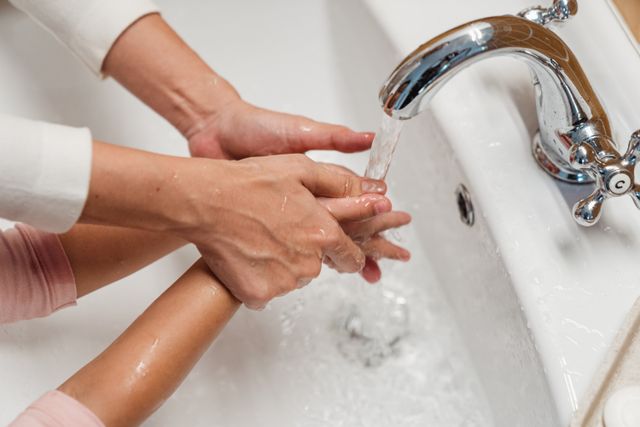
Proper Hand Hygiene: How to Wash Your Hands Correctly


Your hands encounter thousands of germs daily, from doorknobs, food, other people, and countless surfaces. These microorganisms can cause serious infections, including the common cold, flu, gastrointestinal illnesses, and respiratory diseases.
Yet the most powerful defense against these pathogens remains deceptively simple: proper handwashing. Understanding and consistently implementing proper hand hygiene techniques is one of the most effective disease-prevention strategies available, often more impactful than expensive medications or supplements. This comprehensive guide to proper hand hygiene ensures you protect yourself and those around you with evidence-based techniques.
Why Hand Hygiene Matters
Hand hygiene represents the foundation of infection prevention in healthcare settings and daily life. The World Health Organization emphasizes that proper hand hygiene reduces the transmission of infectious diseases by up to 50%.
Furthermore, healthcare-associated infections decline significantly when healthcare workers prioritize meticulous hand hygiene practices. Beyond healthcare, proper hand hygiene in homes, schools, and workplaces helps prevent epidemics and protect vulnerable populations, including infants, older adults, and immunocompromised individuals.
The Proper Handwashing Technique: Step-by-Step
Step 1: Wet Your Hands Thoroughly
Begin by running warm water over both hands. Warm water slightly opens the pores, allowing better soap penetration and bacterial removal than cold water. Ensure that water covers all surfaces, including the palms, the backs of the hands, the spaces between the fingers, and the wrists.
Step 2: Apply Adequate Soap
Use enough soap to create a rich lather, approximately the size of a dime. Soap works by surrounding bacteria and viruses, lifting them from skin surfaces where they can be rinsed away. Bar soap and liquid soap both work effectively; choose whichever you will use consistently.
Step 3: Scrub All Hand Surfaces
This critical step determines whether your hand hygiene efforts are effective. Rub your palms together vigorously to create friction that mechanically removes microorganisms. Furthermore, do not neglect easily missed areas:
- Rub the back of each hand with your other palm
- Interlock fingers and rub between them thoroughly
- Clean under fingernails by rubbing nails against your opposite palm
- Rub your thumbs by holding and rotating them in your opposite hand’s palm
- Circle your wrists with your opposite hand to ensure complete coverage
- Clean around rings and jewelry where germs accumulate
Step 4: Maintain Proper Duration
Effective hand hygiene requires time. Scrub for at least 20 seconds, the minimum duration for soap to adequately break down bacterial and viral membranes. This timing is crucial; rushing through handwashing leaves pathogens behind. Consider singing “Happy Birthday” twice as a timing guide.
Step 5: Rinse Thoroughly
Rinse under running water, ensuring soap is removed from all hand surfaces. Residual soap can irritate skin over time, potentially causing you to wash less frequently. Hold hands with fingers pointing downward, allowing water to cascade away from arms and back toward fingertips.
Step 6: Dry Properly
Dry hands completely using a clean towel, clean paper towel, or air dryer. This final step matters because damp hands transfer bacteria more efficiently than dry hands. Furthermore, thorough drying prevents skin irritation and cracking, which create entry points for pathogens. In public restrooms, use paper towels rather than cloth towels, which harbor numerous bacteria.
When Hand Hygiene Becomes Critical
Implementing rigorous hand hygiene at specific moments dramatically reduces the transmission of infections. Wash hands:
- Before and after eating
- Before handling food preparation
- After using the restroom
- After coughing, sneezing, or blowing your nose
- After touching animals or animal waste
- After handling garbage
- Before and after touching wounds or injuries
- Before and after caring for sick individuals
- When visibly soiled
- Before and after healthcare procedures
Hand Hygiene with Soap Versus Hand Sanitizer
Proper hand hygiene with soap and water remains the gold standard for cleaning hands. Soap mechanically removes all microorganisms, including viruses and bacteria. Additionally, soap removes dirt, dust, and chemicals that hand sanitizer cannot eliminate.
Hand sanitizer containing at least 60% alcohol serves as a helpful alternative when soap and water are not available. However, sanitizer performs poorly on visibly dirty hands, making it inappropriate for situations involving mud, food, or obvious contamination. Furthermore, sanitizers do not remove certain dangerous pathogens, including norovirus and Clostridioides difficile, as effectively as soap and water.
Common Hand Hygiene Mistakes
Many people believe they are washing properly, yet they are missing crucial steps. Rushing through handwashing leaves bacteria behind. Skipping fingernails between fingers or on the wrist creates a risk of contamination. Using cold water reduces soap’s antimicrobial effectiveness. Touching the sink faucet with clean hands after washing recontaminates your hands; use a paper towel to turn off the faucet.
Maintaining Hand Health Through Hygiene
Excessive handwashing can dry skin, leading to cracking and irritation. Maintain skin health by using unscented lotion after washing, especially if you wash frequently. Choose unscented products because fragrance ingredients can further irritate skin. Additionally, avoid antimicrobial soaps containing triclosan or triclocarban, which offer no advantage over regular soap and may disrupt beneficial skin bacteria.
Teaching Hand Hygiene to Children
Proper hand hygiene requires habit formation, making early education essential. Teach children the importance through demonstration and practice. Make handwashing fun with special soap, step-by-step posters, or handwashing songs. Children who understand hand hygiene principles develop lifelong habits that protect their health and prevent disease transmission throughout their lives.
Taking Action on Hand Hygiene
Transform your illness-prevention strategy by prioritizing consistent, proper hand hygiene. Stock multiple handwashing stations with accessible soap. Keep hand sanitizer for on-the-go situations. Teach family members and colleagues proper techniques. These simple practices are your most powerful defense against infectious disease, costing little while providing maximum protection for yourself and your community.