



Pneumonia Causes and Symptoms: Prevention and Treatment


Pneumonia represents one of the most serious respiratory infections, affecting millions of individuals worldwide and remaining a significant cause of hospitalization and mortality across all age groups. Understanding pneumonia requires knowledge of how this infection develops, which types pose the greatest danger, which symptoms require immediate medical attention, and which prevention strategies are most effective. This comprehensive guide examines the medical foundations of pneumonia, explains how pneumonia differs from similar respiratory conditions, identifies populations at highest risk, and provides evidence-based strategies for both prevention and recovery.
What is Pneumonia and How Does It Develop?
Pneumonia is an infection that inflames the air sacs in one or both lungs, causing these tiny structures to fill with fluid or pus. This inflammatory response impairs oxygen transfer to the bloodstream, potentially creating dangerous drops in blood oxygen levels. Unlike a simple cold affecting the upper respiratory tract, pneumonia specifically targets the lungs' gas-exchange regions, making pneumonia substantially more serious than typical upper respiratory infections.
The mechanism of infection differs by type of pneumonia. Bacterial pneumonia occurs when harmful bacteria invade the lungs and multiply rapidly, triggering severe inflammation. Viral pneumonia develops when viruses directly damage lung tissue, leading to inflammation and fluid accumulation. Fungal pneumonia, though less common, represents a serious concern for immunocompromised individuals. Aspiration pneumonia occurs when foreign material accidentally enters the lungs, introducing bacteria from the mouth or stomach into lung tissue.
Recognizing Pneumonia Symptoms
Symptoms can vary considerably depending on the severity of the infection and the organism causing it. Common presentations of pneumonia include a persistent cough producing green, yellow, or rust-colored sputum; chest pain that worsens with breathing or coughing; fever and chills; shortness of breath; fatigue; and confusion, particularly in elderly individuals. Some people develop pneumonia after an initial upper respiratory infection, in which symptoms suddenly worsen rather than improve.
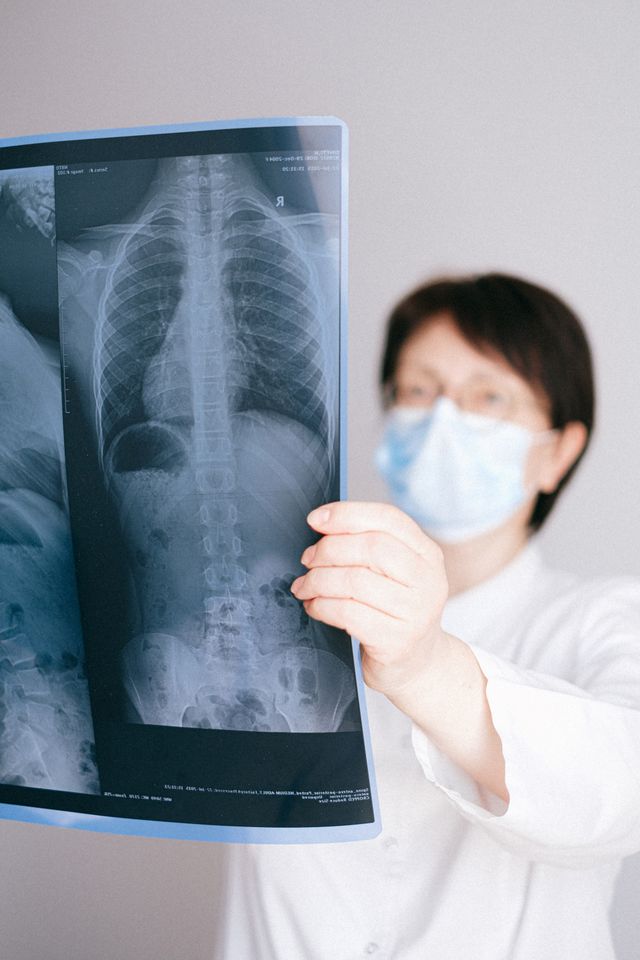
Atypical pneumonia presents differently from classic bacterial pneumonia, often with milder symptoms, including a dry cough, low-grade fever, and a gradual onset. Recognizing these variations matters because misdiagnosis of pneumonia can delay necessary treatment. Medical professionals distinguish pneumonia from bronchitis based on infiltrates visible in chest imaging, the defining characteristic that differentiates pneumonia from other respiratory conditions.
Pneumonia Risk Factors and Vulnerable Populations
Certain populations face substantially elevated pneumonia risk. Adults over 65 experience increased pneumonia severity and complications. Children under five remain vulnerable to severe pneumonia, particularly in developing nations. Individuals with chronic conditions, including heart disease, diabetes, or chronic obstructive pulmonary disease, face an elevated pneumonia risk. Current smokers develop pneumonia more frequently than never-smokers. Immunocompromised individuals, whether from HIV/AIDS, cancer treatment, or immunosuppressive medications, experience higher pneumonia incidence and severity.
Healthcare settings present unique pneumonia risks. Hospital-acquired pneumonia (HAP) and ventilator-associated pneumonia (VAP) develop in hospitalized patients under specific conditions, often involving resistant bacteria. Recent surgery, prolonged bed rest, aspiration risk, and mechanical ventilation increase the likelihood of pneumonia in healthcare settings.
Preventing Pneumonia Through Evidence-Based Strategies
Preventing this serious lung infection involves vaccination, healthy habits, and infection-control practices. Pneumococcal vaccines protect against the most common cause of bacterial pneumonia, with recommendations varying by age and health status. Influenza vaccination indirectly reduces the risk of pneumonia by preventing viral respiratory infections that can lead to secondary bacterial pneumonia.
Maintaining adequate hydration supports respiratory health and helps prevent respiratory infections. Consider increasing drinking water intake, particularly during periods of illness or exposure, as proper hydration helps keep mucosal membranes functioning optimally. Additionally, quality sleep strengthens immune function and reduces susceptibility to pneumonia. Optimize your sleep environment by maintaining cool temperatures, darkness, and quiet conditions supporting the restorative sleep your immune system requires.
Smoking cessation is one of the most effective strategies for preventing pneumonia, particularly for reducing the risk of chronic pneumonia. Avoiding exposure to respiratory irritants, practicing proper hand hygiene, and maintaining distance from ill individuals significantly reduce the risk of transmission. For individuals recovering from pneumonia or managing chronic conditions, maintain adequate nutrition, including protein intake, which supports immune function and tissue healing.
When Pneumonia Requires Immediate Medical Care
Certain pneumonia presentations demand emergency evaluation. Seek immediate medical attention if experiencing severe shortness of breath, chest pain, confusion, cyanosis (blue-tinged lips or fingernails), or persistently high fever unresponsive to acetaminophen or ibuprofen. Elderly individuals, young children, and immunocompromised persons with suspected pneumonia should receive urgent evaluation regardless of symptom severity, as pneumonia complications develop rapidly in vulnerable populations.
Pneumonia Treatment and Recovery
Treatment approaches depend on the cause of pneumonia. Bacterial pneumonia requires antibiotic therapy, with treatment duration and medication selection depending on the severity of pneumonia and the causative organism. Viral pneumonia typically resolves with supportive care alone, though antiviral medications may help in certain circumstances. Fungal pneumonia requires specific antifungal medications tailored to the organism identified through diagnostic testing.
During recovery from pneumonia, rest, hydration, and symptom management are essential. Most individuals require 1 to 2 weeks to return to normal activities, though complete recovery may take several weeks in severe cases. Persistent fatigue after pneumonia resolves is common and typically improves gradually with continued rest.
Understanding Pneumonia's Significance
Pneumonia is a serious infection that requires prompt recognition and appropriate medical management. By understanding the causes of pneumonia, recognizing its early symptoms, implementing effective prevention strategies, and seeking timely medical care, individuals can substantially reduce the risk of pneumonia and its complications. When combined with vaccinations, healthy lifestyle practices, and medical supervision as needed, comprehensive pneumonia prevention protects health and promotes respiratory wellness across the lifespan.