




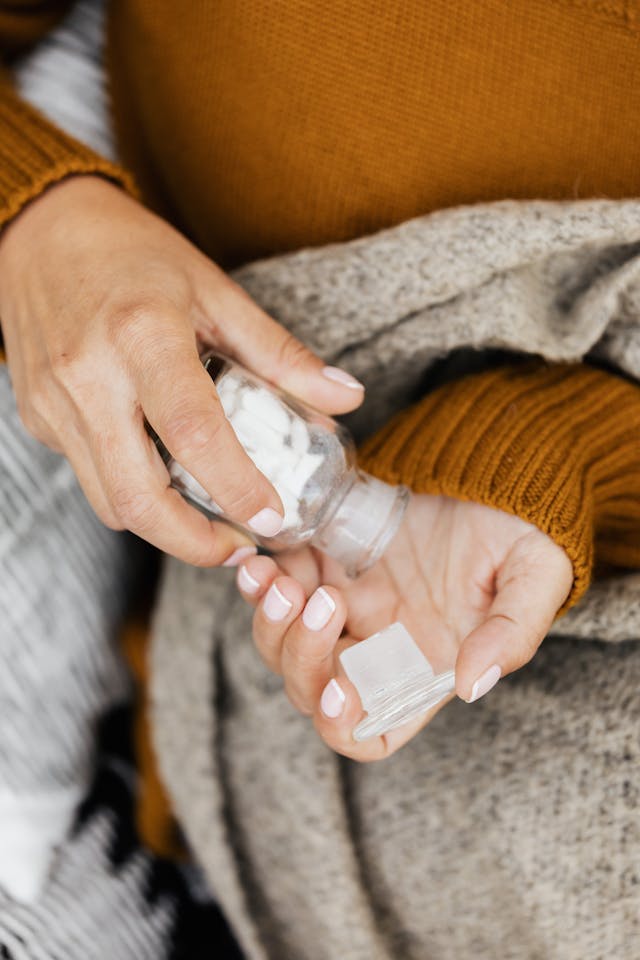
How to Take Your Oral Medications Correctly


Taking oral medications seems like the simplest task in the world. You pop it into your mouth, swallow some water, and go about your day. However, the effectiveness of your treatment relies heavily on how you take that medication. Whether it is a prescription for a chronic condition or an over-the-counter remedy for a headache, the way you consume a pill dictates how well your body absorbs it.
Improper administration can lead to a range of issues, from the medication simply not working to dangerous side effects or toxic overdose. In fact, the FDA estimates that hundreds of thousands of people are hospitalized annually due to medication errors, many of which are preventable.
To ensure you get the full benefit of your treatment while minimizing risks, it is crucial to understand the nuances of oral medication. This guide covers everything you need to know about taking pills correctly.
Step 1: The Golden Rule: Read the Label
Before you even open the bottle, you must read the label and the accompanying patient information leaflet. This is not just fine print to be ignored; it contains critical instructions specific to that drug.
Pay close attention to the dosage instructions. Does it say take one tablet twice daily, or two tablets once daily? These are very different things. Look for specific warnings, such as "do not crush or chew." The label will also tell you if the medication needs to be shaken (if it is a liquid) or if it should be stored in the refrigerator. For over-the-counter drugs, the FDA's Drug Facts label provides a standardized format to help you understand active ingredients and usage directions.
Step 2: Timing Is Everything
Consistency is key when it comes to medication. The time on your medication schedule is designed to maintain a steady level of the drug in your bloodstream.
Spacing Doses Evenly
If a medication is prescribed once every 12 hours, try to take it at the same times every day e.g., 8:00 AM and 8:00 PM. This prevents large gaps where the drug becomes ineffective or overlaps where it builds up to toxic levels.
Morning vs. Night
Some oral medications can cause drowsiness and are best taken before bed. Others, like certain diuretics or stimulants, might interfere with sleep if taken late in the day. Always follow your doctor’s specific advice regarding the time of day.
Step 3: Interactions and Absorptions
What you eat and when you eat it can drastically alter how a drug works.
Take with Food vs. Empty Stomach:
- Take with food: Some oral medications, like aspirin or certain antibiotics (e.g., doxycycline), can irritate the stomach lining. Taking them with a meal or snack acts as a buffer, preventing nausea or gastric pain.
- Empty stomach: Other medications require an acidic environment to dissolve properly or bind to proteins in food, rendering them ineffective. For example, thyroid medication is often best taken on an empty stomach, 30 minutes to an hour before breakfast, to ensure proper absorption.
The Grapefruit Warning
Grapefruit and grapefruit juice contain compounds that interfere with enzymes in your intestine responsible for breaking down certain drugs. This can lead to dangerously high levels of the medication in your blood. Check with your pharmacist or consult resources like the Mayo Clinic’s guide to grapefruit interactions to see if your medication is affected.
Step 4: Water is the Best Chaser
It might be tempting to chase your pill with a gulp of coffee, juice, or soda, but water is almost always the safest choice.
- Absorption: Water helps dissolve the tablet or capsule, allowing it to pass into the stomach and intestines efficiently.
- Esophageal Health: Some pills can become lodged in the esophagus or cause chemical burns if they don't pass quickly. Drinking a full glass of water (usually 8 ounces) ensures the medicine reaches its destination.
- Avoiding Interactions: As mentioned, acidic juices like orange or grapefruit, can alter drug chemistry. Dairy products can bind to antibiotics like tetracycline and ciprofloxacin, preventing absorption. Stick to plain water unless told otherwise.
Step 5: The Mechanics of Swallowing
For many, the physical act of swallowing a pill is a hurdle. If you struggle, do not resort to crushing the medication unless you have verified it is safe to do so.
Can You Crush the Pill?
- Enteric-coated tablets: These have a special coating to prevent them from dissolving in the stomach. Crushing them destroys the coating, which can lead to stomach damage or render the drug useless.
- Extended-release (SR, XR, CR): These are designed to release the drug slowly over 12 or 24 hours. Crushing them releases the entire dose at once, causing an overdose. Only crush pills if the pharmacist confirms it is a standard immediate-release formulation.
Swallowing Tips
If you have trouble swallowing, try the pop-bottle method of putting the pill on your tongue, closing your lips tightly around a water bottle, and sucking the water down. You could also use the lean-forward method where you place the pill on the tongue, take water, and lean the head forward as you swallow. This helps the pill float toward the back of the throat.
Step 6: Handling Missed Doses
Life gets busy, and missed doses happen. However, how you handle them matters.
The General Rule:
If you remember a missed dose within a few hours of the scheduled time, take it immediately.
The Exception:
If it is almost time for your next dose, skip the missed one entirely and go back to your regular schedule. Never take a double dose to catch up. This can spike the drug concentration in your body to toxic levels.
Step 7: Proper Storage and Organization
Where you keep your oral medications can affect its potency.
- Avoid the Bathroom Cabinet: Bathrooms are humid and warm, which can degrade medication. Most pills prefer a cool, dry place, such as a bedside table or a kitchen cabinet away from the stove.
- Keep Original Containers: Light can degrade some medications, so amber bottles are important. Keeping the original label also ensures you don't mix up pills that look identical.
- Safety First: If you have children or pets in the home, use a locked cabinet or a high shelf.
Conclusion
Taking oral medications is a partnership between you, your doctor, and your pharmacist. It requires attention to detail, from reading the label to using the right beverage and timing your doses correctly. By following these guidelines, you ensure that your treatment is as safe and effective as possible.
Remember, when in doubt, ask. Your pharmacist is an invaluable resource for questions about interactions, side effects, and administration. Take control of your health by mastering your meds.
FAQs
Can I take my medication with alcohol?
Generally, no. Alcohol can intensify side effects like drowsiness or dizziness, and with certain medications like acetaminophen or antibiotics, it can cause severe liver damage or other complications. Always check the label for alcohol warnings.
Is it safe to split my pills in half?
Only if the pill is scored (has a line down the middle) and your doctor or pharmacist has approved it. Never split time-release capsules, enteric-coated tablets, or pills without a score line.
How soon after eating can I take medication that requires an empty stomach?
Most medications requiring an empty stomach should be taken at least 1 hour before a meal or 2 hours after a meal. This ensures the stomach has largely emptied its contents.
What should I do if I throw up after taking my medication?
This depends on how much time has passed. If you vomit within 15 to 30 minutes of taking the pill, it is likely the pill did not have time to be absorbed. Contact your pharmacist or doctor to see if you should take another dose. If it has been longer, do not take another dose unless advised.
