




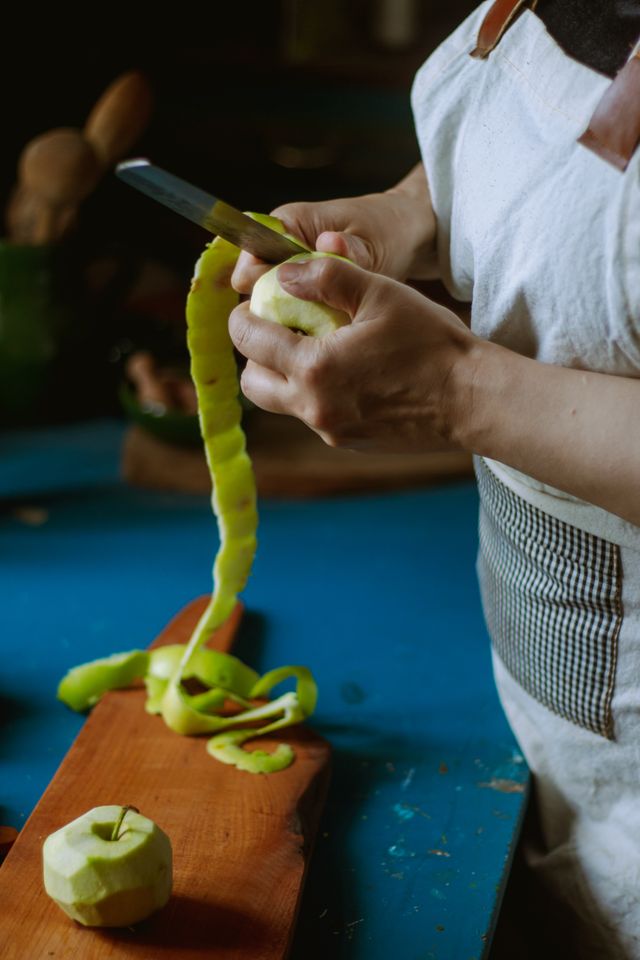
Fruit and Vegetable Peels: A Simple Way to Get More Fiber


Many people peel fruits and vegetables before eating or cooking them. But those discarded parts may contain valuable nutrients, including fiber.
A new study from King's College London found that commonly discarded parts of produce contained more fiber than the portions people usually eat in 10 of 12 foods examined.
The findings suggest that keeping some edible peels, skins, and seeds could help people increase their fiber intake. It may also reduce food waste.
Fruit and Vegetable Peels May Contain More Fiber
Researchers examined 12 common fruits and vegetables. They compared the fiber in their peels, skins, seeds, and stalks with that in the parts people normally eat.
In 10 of the 12 foods, the discarded portions contained more fiber.
Some of the findings included:
- Watermelon rind: It contained 2.1 grams of fiber per 100 grams.
- Butternut squash skin and seeds: These contained 9.25 grams per 100 grams.
- Pineapple skin and core: Together, they contained about five times more fiber than the flesh.
- Broccoli stalks: These contained about 28% less fiber than the florets.
For example, someone preparing butternut squash for dinner could roast it with the skin instead of peeling it. This simple change may add more fiber to the meal.
However, the study measured raw produce. Cooking methods may affect the fiber content, and researchers did not test whether eating these parts improved people's health.
King's College London published the findings in the International Journal of Food Sciences and Nutrition.
How Can You Add More Fiber by Using Food Scraps?
You do not need to eat every peel or seed to benefit from this approach. Start with parts that are safe and easy to prepare.
Here are some simple ideas:
Watermelon rind: Use the white part between the red flesh and green skin. Chop it into a stir-fry or pickle it.
Butternut squash skin: Wash the squash, cut it into pieces, and roast it until tender. The skin can soften during cooking.
Pineapple core: Remove the tough outer skin and use the core in smoothies or cooked dishes. You can also boil the skin to make a drink, but avoid eating its tough, prickly surface.
Bell pepper seeds: Add small amounts to soups, sauces, or cooked meals if you enjoy their taste.
Broccoli stalks: Slice them thinly and add them to stir-fries or soups. They contain fiber even though the florets had more in this study.
These small changes can help reduce waste while making better use of the food you buy.
Why Is Fiber Important for Your Health?
Fiber supports digestion and helps prevent constipation. It also feeds helpful bacteria in the gut.
Some types of fiber can help control blood sugar and lower cholesterol. Eating enough fiber is also linked to a lower risk of heart disease and type 2 diabetes.
For example, someone who often experiences constipation may benefit from eating more fiber-rich foods. These include beans, whole grains, vegetables, and fruits.
The recommended amount varies by age and sex. The US National Institute of Diabetes and Digestive and Kidney Diseases says most adults need about 22 to 34 grams daily.
If you are managing diabetes, fiber-rich foods can also form part of a balanced eating plan. Read our related article, How Decision Fatigue Affects Diabetes Management (and What to Do About It), for more on managing daily diabetes decisions.
How to Eat Peels and Skins Safely
Not every part of every fruit or vegetable is safe or pleasant to eat. Some peels are too tough, while others may irritate the stomach.
Follow these precautions:
- Wash fruits and vegetables under clean running water before cutting or peeling them.
- Scrub firm produce, such as squash and watermelon, with a clean vegetable brush.
- Do not wash produce with soap or household detergent.
- Cook tough parts when needed to make them softer.
- Avoid eating unfamiliar plant parts unless you know they are safe.
- Remove rotten or damaged sections before preparing food.
People with digestive conditions or special dietary needs should ask a healthcare professional before making major changes to their diet.
Increase Fiber Slowly
Adding too much fiber too quickly can cause gas, bloating, and stomach discomfort.
For example, someone who usually eats little fiber may feel uncomfortable after suddenly adding large servings of beans, seeds, and vegetable peels.
Start with small portions and increase them gradually. Drink enough water to help fiber move through the digestive system.
You can also get fiber from oats, lentils, beans, nuts, whole grains and whole fruits.
The Bottom Line
Fruit and vegetable peels, skins, seeds and stalks may contain more fiber than many people realise. A King's College London study found higher fiber levels in discarded parts of 10 of 12 produce types.
Keeping safe, edible parts in your meals can help increase fiber intake and reduce food waste. You do not need to change your entire diet. Small, regular changes can make a difference.
Frequently Asked Questions
Do fruit and vegetable peels contain more fiber?
Some do. A King's College London study found that discarded parts contained more fiber than the commonly eaten portions in 10 of 12 produce types examined.
Which fruit and vegetable peels are good sources of fiber?
Watermelon rind, butternut squash skin and seeds, and pineapple skin and core showed high fiber levels in the study. Always prepare these parts safely before eating or using them in meals.
Should you eat all fruit and vegetable peels?
No. Some peels are too tough or unsuitable for eating. Stick to parts known to be edible and wash produce thoroughly before preparation.
Can eating more fiber cause bloating?
Yes. Increasing fiber too quickly can cause gas, bloating, and stomach discomfort. Add fiber-rich foods gradually and drink enough water.
How much fiber should adults eat daily?
Daily needs vary by age and sex. Many adults need around 22 to 34 grams of fiber each day. Beans, whole grains, vegetables, fruits, and seeds can help meet this goal.