




6 Foods and Nutrients That May Support Fertility


Fertility depends on numerous physiological factors, yet nutrition represents one of the most controllable influences on reproductive success. Understanding which specific foods and nutrients support fertility enables individuals and couples to optimize their nutritional strategy before attempting conception. Scientific evidence demonstrates that targeted fertility nutrition approaches significantly improve reproductive outcomes, hormone regulation, and the quality of ovulation. This comprehensive guide explores the specific foods and nutrients that support fertility and explains how optimal nutrition enhances your fertility potential.
Why Nutrition Matters for Fertility
Reproductive health requires optimal nutrient status; hormonal regulation, egg quality, sperm production, and uterine function all depend on adequate nutrition. Poor nutritional status directly compromises fertility by disrupting hormone synthesis, reducing egg quality, decreasing sperm motility, and impairing implantation. Conversely, strategic nutrition aimed at fertility can restore normal reproductive function and improve the likelihood of conception.
1. Protein for Fertility and Reproductive Health
Adequate protein intake supports fertility by providing amino acids essential for hormone synthesis, egg development, and sperm production. Protein deficiency directly compromises fertility by reducing hormone levels and impairing egg quality. Women seeking to enhance their fertility should consume 1.2-1.6 grams of protein per kilogram of body weight daily, substantially more than sedentary population recommendations.
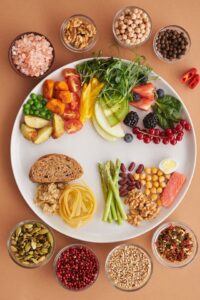
Diverse protein sources, including fish, poultry, legumes, and eggs, provide essential amino acids that support fertility. Prioritizing high-quality protein sources before conception optimizes your fertility foundation. Consider incorporating diverse protein sources into your daily diet: lean meats, fatty fish, Greek yogurt, and nuts, all of which enhance your fertility through superior amino acid profiles.
2. Iron: Critical for Fertility and Ovulation
Iron deficiency dramatically impairs fertility through multiple mechanisms, including reduced oxygen transport affecting egg development, compromised hormone synthesis, and weakened immune function. Women of reproductive age face particularly high iron requirements due to menstrual losses; inadequate iron directly undermines fertility.
Plant-based iron from legumes, leafy greens, and seeds provides bioavailable iron that supports fertility, with vitamin C enhancing absorption. Animal-based iron from red meat demonstrates superior bioavailability for fertility support. Optimizing iron status before attempting conception significantly improves the regularity of ovulation and egg quality, cornerstone factors in reproductive fertility.
3. Folate and B Vitamins: Building Blocks for Fertility
Folate deficiency represents one of the most well-documented fertility compromisers, directly impairing egg and sperm DNA synthesis. This B vitamin's role in cell division makes adequate folate essential for fertility, particularly during the pre-conception months when eggs complete crucial developmental stages. Women seeking to maximize their fertility should consume 400-800 micrograms daily, ideally from food sources.
Leafy greens, legumes, asparagus, and fortified grains provide abundant folate, which supports fertility. Other B vitamins, including B6 and B12, similarly support hormone regulation, which is essential for fertility. Comprehensive B vitamin status optimization is among the highest-return fertility interventions for women and men alike.
4. Antioxidants: Protecting Reproductive Cells
Oxidative stress directly damages both egg and sperm, substantially reducing fertility through impaired cell function. Antioxidant-rich foods, particularly berries, dark leafy greens, nuts, and seeds, protect reproductive cells from oxidative damage. Vitamins C and E, selenium, and carotenoids work synergistically to defend reproductive tissue, directly enhancing fertility potential.
Couples struggling with unexplained fertility challenges often discover that antioxidant-rich nutrition addresses underlying oxidative stress, compromising reproductive function. Incorporating colorful produce that supports fertility through antioxidant mechanisms should be a nutritional cornerstone for all individuals prioritizing reproductive health.
5. Omega-3 Fatty Acids: Hormone and Circulation Support
Omega-3 fatty acids support fertility through multiple mechanisms, including anti-inflammatory effects that reduce inflammation in reproductive tissues, hormone precursor synthesis, and improved blood flow to reproductive organs. Fatty fish, including salmon, sardines, and mackerel, provide abundant omega-3 fatty acids that support fertility. Plant-based sources, including flaxseeds, walnuts, and chia seeds, offer alternative fertility-supporting omega-3 options.
Adequate omega-3 consumption directly correlates with improved egg quality and ovulation, both fundamental determinants of fertility. Women with optimal omega-3 status demonstrate superior fertility outcomes compared to omega-3-deficient counterparts, making fish consumption a practical fertility-enhancement strategy.
6. Zinc: Essential for Reproductive Function
Zinc deficiency directly compromises fertility in both women and men through reduced hormone synthesis, impaired immune function, and decreased reproductive cell quality. Oysters, beef, pumpkin seeds, and chickpeas provide abundant zinc, which supports fertility. Meeting daily zinc requirements through food sources is an underutilized yet highly effective fertility-optimization strategy.
Zinc's roles in egg development and sperm production make adequate intake essential for all individuals prioritizing fertility. Couples frequently discover that zinc supplementation or dietary optimization restores fertility previously compromised by nutritional deficiency.
Comprehensive Nutrition Strategy for Fertility
Rather than focusing exclusively on individual nutrients, view fertility nutrition holistically: combine high-quality protein sources with antioxidant-rich produce, include iron- and folate-rich foods, and prioritize omega-3-rich options. Quality sleep supports fertility by regulating hormones essential for reproductive success; consider optimizing your sleep environment for superior rest.
Additionally, managing blood sugar through balanced nutrition enhances fertility by stabilizing hormone levels. Consuming high-protein snacks prevents blood sugar crashes and disrupts reproductive hormone patterns, providing another practical fertility optimization strategy.
Taking Action on Fertility Nutrition
Begin by assessing your current nutritional status and identifying potential deficiencies in the six nutrients that support fertility. Gradually incorporate more fertility-supporting foods into your weekly nutrition plan. Track energy, cycle regularity, and general wellbeing as indicators of improving nutritional status supporting fertility.
Consider consulting healthcare providers or registered dietitians specializing in fertility nutrition; personalized guidance can optimize your fertility potential through targeted nutritional intervention. Most individuals experience measurable improvements in fertility markers within 3-6 months of deliberate nutritional optimization, demonstrating nutrition's powerful influence on reproductive health and fertility success.