




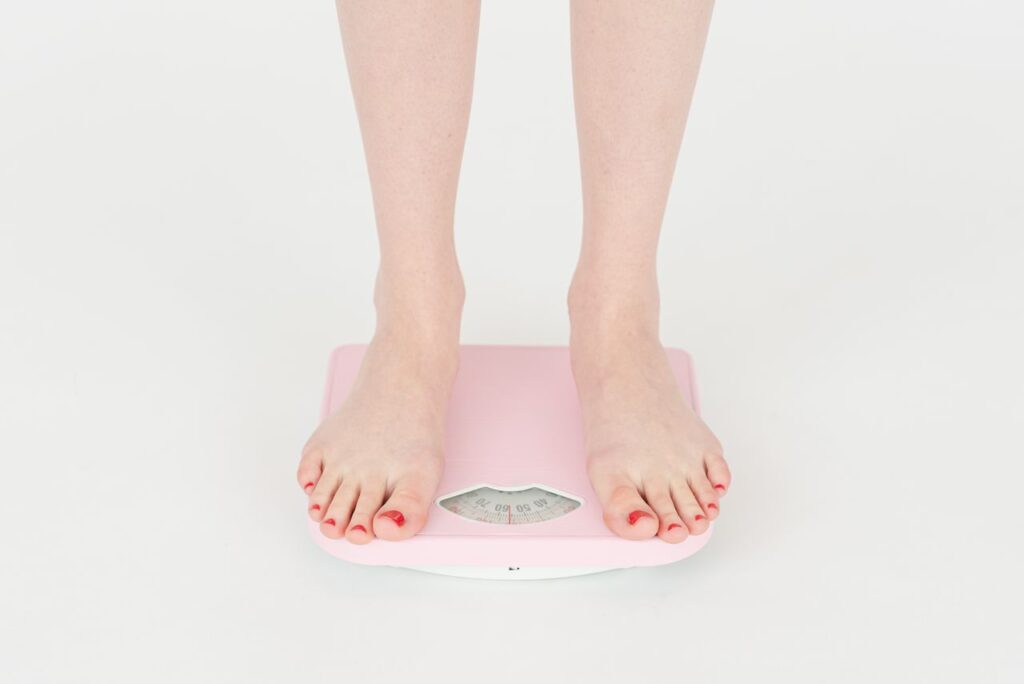
Can Sleep Apnea Cause Weight Gain? Understanding the Connection


Sleep apnea is usually associated with loud snoring, interrupted breathing, and daytime sleepiness, but its effects may extend beyond feeling tired. If you have recently gained weight while also struggling with poor sleep, you may wonder: can sleep apnea cause weight gain? The relationship is complicated and appears to work in both directions. Excess body weight is an important risk factor for obstructive sleep apnea (OSA), while disrupted sleep may also influence appetite, energy levels, food choices, and metabolic health in ways that make weight management more difficult.
Sleep apnea can also be easy to overlook, particularly when symptoms are less obvious. Understanding sleep apnea symptoms in women can help identify signs such as morning headaches, fatigue, insomnia, and unrefreshing sleep that may occur alongside more familiar symptoms like snoring.
What Is Sleep Apnea?
Sleep apnea is a sleep disorder characterized by repeated interruptions in breathing during sleep.
The most common form is obstructive sleep apnea, which occurs when tissues in the upper airway relax or collapse enough to repeatedly restrict airflow.
These episodes can cause brief awakenings throughout the night, sometimes without the person realizing it.
Common symptoms include:
- Loud snoring
- Gasping or choking during sleep
- Witnessed pauses in breathing
- Morning headaches
- Dry mouth after waking
- Daytime sleepiness
- Difficulty concentrating
- Irritability
- Unrefreshing sleep
Because these interruptions can happen repeatedly throughout the night, someone may spend eight hours in bed without receiving consistently restorative sleep.
Can Sleep Apnea Cause Weight Gain?
So, can sleep apnea cause weight gain directly? Sleep apnea should not be viewed as a simple or inevitable cause of weight gain. However, disrupted and insufficient-quality sleep may contribute to biological and behavioral changes that make maintaining a healthy weight more challenging.
Possible pathways include:
- Increased appetite
- Changes in hunger regulation
- Daytime fatigue
- Reduced physical activity
- Greater preference for calorie-dense foods
- Metabolic changes associated with poor sleep
At the same time, gaining excess weight can increase the likelihood or severity of obstructive sleep apnea.
This creates a potential cycle in which weight contributes to sleep apnea while poor-quality sleep makes weight management more difficult.
How Poor Sleep May Affect Appetite
Sleep plays an important role in regulating many processes involved in hunger and metabolism.
Research on sleep restriction suggests that inadequate sleep can influence hormones and brain pathways involved in appetite. Some people may experience stronger hunger or greater cravings for highly palatable foods after insufficient sleep.
Poor sleep can also affect decision-making.
When exhausted, preparing a balanced meal may seem less appealing than choosing something quick, convenient, and calorie-dense.
These effects do not mean everyone with sleep apnea will gain weight. Diet, physical activity, genetics, medications, health conditions, and many other factors also influence body weight.
Daytime Fatigue Can Reduce Physical Activity
One of the most common consequences of untreated sleep apnea is daytime fatigue or sleepiness.
A person who wakes feeling exhausted may have less motivation or energy for:
- Exercise
- Walking
- Recreational activities
- Household tasks
- Other forms of everyday movement
Over time, reduced activity can lower overall energy expenditure.
If you regularly sleep for an apparently adequate number of hours but remain exhausted, learning why you still feel tired after sleeping may help identify other factors that could be affecting sleep quality.
Sleep Apnea, Sleep Debt, and Weight
Sleep apnea and sleep deprivation are not identical.
Someone with sleep apnea may technically spend enough hours in bed but experience fragmented sleep because breathing disruptions repeatedly interfere with normal sleep cycles.
Chronic insufficient or disrupted sleep can contribute to a state of inadequate recovery.
Common sleep debt symptoms include daytime sleepiness, poor concentration, irritability, reduced performance, and increased fatigue.
These effects can indirectly make healthy eating and regular physical activity harder to maintain.
Does Weight Gain Cause Sleep Apnea?
This side of the relationship is particularly important.
Excess body weight is a major risk factor for obstructive sleep apnea. Fat deposits around the upper airway can contribute to narrowing and make the airway more likely to collapse during sleep.
However, OSA does not occur exclusively in people who are overweight.
Other risk factors include:
- Older age
- Certain anatomical features of the airway
- Family history
- Large neck circumference
- Alcohol use
- Smoking
- Nasal congestion
- Certain medical conditions
Children and adults at lower body weights can also develop sleep apnea.
Therefore, body size alone cannot determine whether someone has the condition.
Can Sleep Apnea Make It Harder to Lose Weight?
For some people, untreated sleep apnea may make weight-management efforts more challenging.
Severe fatigue can make regular exercise difficult. Poor sleep may also influence hunger, food preferences, and motivation.
However, difficulty losing weight should not automatically be attributed to sleep apnea.
Other factors may include:
- Calorie intake
- Physical activity
- Genetics
- Medications
- Thyroid disorders
- Menopause
- Other hormonal conditions
- Psychological factors
If weight changes are unexplained or substantial, a healthcare professional can evaluate whether another condition may be contributing.
Will Treating Sleep Apnea Cause Weight Loss?
Treating sleep apnea can improve sleep quality, daytime alertness, and quality of life, but treatment should not be considered a guaranteed weight-loss method.
Continuous positive airway pressure (CPAP) is commonly prescribed for obstructive sleep apnea. It keeps the airway open by providing pressurized air through a mask during sleep.
Feeling more rested may make exercise and other healthy behaviors easier for some people.
However, CPAP does not automatically cause weight loss. Weight management generally requires separate attention to nutrition, activity, sleep habits, medical conditions, and other individual factors.
Does CPAP Cause Weight Gain?
Research has raised questions about body-weight changes after CPAP treatment, and responses can vary.
This is another reason it is inaccurate to assume that treating sleep apnea will automatically produce weight loss.
CPAP's primary purpose is to treat breathing interruptions during sleep, not to function as a weight-loss therapy.
If you notice significant weight changes after beginning treatment, discuss them with your healthcare professional rather than discontinuing CPAP on your own.
How Does Weight Loss Affect Sleep Apnea?
For people with overweight or obesity, losing weight can improve obstructive sleep apnea severity in many cases.
Even so, weight loss does not guarantee that OSA will disappear completely.
Anatomy, age, genetics, airway structure, and other factors can continue to contribute.
Someone who loses substantial weight should not simply stop using CPAP or another prescribed treatment. A healthcare professional may recommend repeat testing before changing therapy.
How Do You Know if You Have Sleep Apnea?
Snoring alone does not establish a diagnosis.
Warning signs can include:
- Loud, persistent snoring
- Gasping during sleep
- Witnessed breathing pauses
- Excessive daytime sleepiness
- Morning headaches
- Dry mouth upon waking
- Difficulty concentrating
- Waking repeatedly during the night
- Feeling unrefreshed despite adequate time in bed
If several of these symptoms occur together, speak with a healthcare professional.
How Is Sleep Apnea Diagnosed?
Sleep apnea is usually diagnosed using a sleep study.
Depending on individual circumstances, testing may occur at a sleep center or sometimes at home.
The study can measure factors such as:
- Breathing patterns
- Blood oxygen
- Heart rate
- Airflow
- Respiratory effort
A healthcare professional can use the results to determine whether sleep apnea is present and assess its severity.
How Can You Improve Sleep and Manage Weight?
If you have sleep apnea and are also trying to manage your weight, address both issues rather than focusing exclusively on one.
Helpful habits may include:
- Following prescribed sleep apnea treatment
- Maintaining a consistent sleep schedule
- Eating a balanced, nutrient-rich diet
- Exercising regularly when medically appropriate
- Limiting alcohol
- Building sustainable rather than extreme weight-loss habits
- Discussing unexplained weight changes with your doctor
Sleep timing matters as well. If irregular bedtimes are contributing to poor sleep, these strategies to reset your sleep schedule may help establish a more consistent routine.
When Should You See a Doctor?
Consider medical evaluation if you experience:
- Loud, persistent snoring
- Gasping or choking during sleep
- Witnessed pauses in breathing
- Severe daytime sleepiness
- Frequent morning headaches
- Difficulty staying awake during daily activities
- Persistent unrefreshing sleep
- Unexplained or significant weight changes
Sleepiness while driving is particularly concerning. Avoid driving when dangerously sleepy and seek medical advice promptly.
Conclusion
So, can sleep apnea cause weight gain? The relationship is not as simple as sleep apnea directly causing extra pounds. Instead, fragmented sleep may influence appetite, energy, food choices, activity levels, and metabolic health, potentially making weight management more difficult. At the same time, excess body weight is an established risk factor for obstructive sleep apnea, creating a relationship that can work in both directions.
Treating sleep apnea is important for sleep quality and overall health, but it should not be viewed as a stand-alone weight-loss strategy. Nutrition, physical activity, underlying health conditions, and sustainable lifestyle habits still matter.
If weight gain occurs alongside persistent exhaustion despite adequate time in bed, understanding why you still feel tired after sleeping can provide additional insight. Frequent snoring, breathing pauses, gasping, morning headaches, or severe daytime sleepiness should be discussed with a healthcare professional.
Frequently Asked Questions
Does Sleep Apnea Make You Gain Belly Fat?
Sleep apnea does not specifically cause belly fat. Poor sleep may influence appetite, activity, and metabolic health, while excess abdominal and upper-body fat can also be associated with a greater risk of obstructive sleep apnea.
Can Sleep Apnea Slow Your Metabolism?
Sleep disruption can influence metabolic processes, but describing sleep apnea simply as “slowing metabolism” is an oversimplification. Weight regulation involves sleep, diet, activity, hormones, genetics, and other factors.
Can Sleep Apnea Make It Difficult to Lose Weight?
It may make weight management harder for some people because fatigue can reduce activity and poor sleep may affect appetite and food choices. However, many other factors also influence weight loss.
Will I Lose Weight After Starting CPAP?
Not necessarily. CPAP treats airway obstruction and improves breathing during sleep, but it is not a weight-loss treatment. Individual weight changes after starting CPAP vary.
Does Losing Weight Cure Sleep Apnea?
Weight loss can substantially improve OSA in some people with overweight or obesity, but it does not guarantee a cure. Other anatomical and medical factors may continue to cause airway obstruction.
Can Thin People Have Sleep Apnea?
Yes. People at any body weight can develop sleep apnea. Airway anatomy, age, genetics, nasal obstruction, and other factors can contribute.
Why Am I Gaining Weight and Feeling Tired All the Time?
Poor sleep is one possibility, but thyroid disorders, medications, dietary factors, reduced activity, hormonal changes, and other medical conditions may also contribute. Persistent unexplained symptoms warrant medical evaluation.
Should I Get Tested for Sleep Apnea if I Am Gaining Weight?
Weight gain alone does not necessarily indicate sleep apnea. Testing may be appropriate when weight changes occur alongside symptoms such as loud snoring, witnessed breathing pauses, gasping during sleep, morning headaches, or significant daytime sleepiness.
