




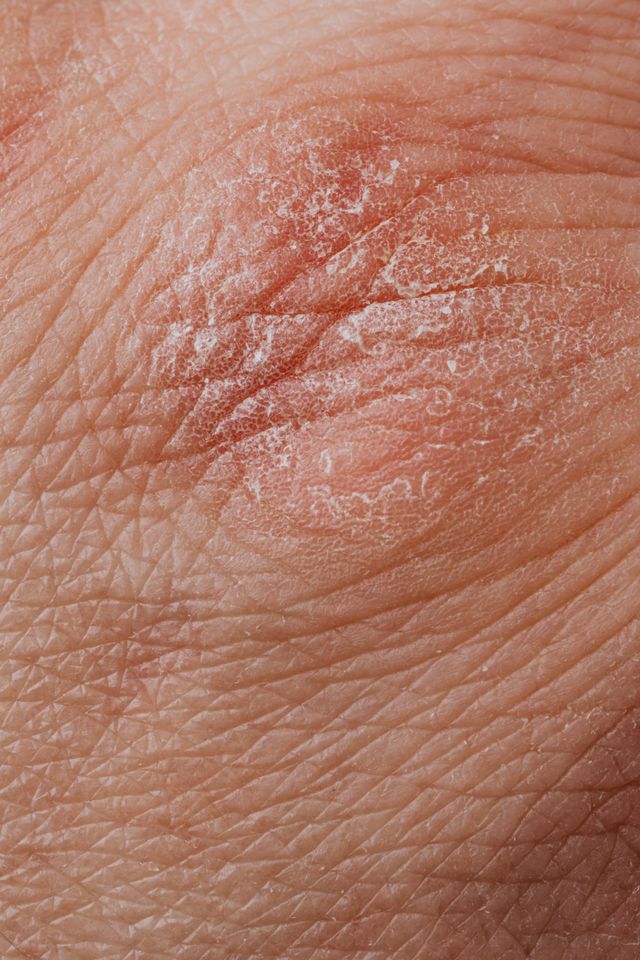
Atopic Dermatitis Symptoms and How Stress Affects Skin Health


If you have ever dealt with the relentless itch of atopic dermatitis, you already know it is far more than dry skin. It is a chronic condition that can hijack your sleep, dent your confidence, and—at the most unexpected moments—flare up the moment life gets overwhelming. The link between your mind and your skin is real, and it works both ways. In this article, we walk through the most common atopic dermatitis symptoms, explain exactly how stress affects skin health, and share practical ways to break the cycle. Whether you are newly diagnosed, caring for a child with eczema, or simply trying to understand why your skin acts up before a big deadline, you are in the right place.
We will keep the science grounded and the advice practical, so you can leave with a clear picture of what is happening under the surface, and what to do about it tonight.
What Is Atopic Dermatitis?
Atopic dermatitis (AD) is the most common form of eczema, a chronic inflammatory skin condition that often begins in childhood and can persist—or first appear—in adulthood. According to the National Eczema Association, more than 31 million Americans live with some form of eczema, and atopic dermatitis accounts for the largest share. The word “atopic” refers to a tendency to develop allergic conditions such as asthma and hay fever, which often run together in families.
AD happens when the skin’s protective barrier becomes weakened, allowing moisture to escape and irritants, allergens, and bacteria to get in. This sets off an immune response that produces the redness, itching, and inflammation that define the condition. The National Institute of Allergy and Infectious Diseases explains that while AD is not contagious, it is strongly influenced by a mix of genetics, environmental triggers, and immune system dysfunction. Flare-ups can come and go, but with the right care and stress management, many people keep symptoms under control for long stretches at a time.
Common Atopic Dermatitis Symptoms
Atopic dermatitis does not look the same on everyone, but a handful of symptoms show up again and again. Below are the most common signs:
- Intense itching—often the first and most frustrating symptom. Itch can be severe enough to disrupt sleep and concentration.
- Dry, sensitive skin that may feel rough, scaly, or easily irritated by soaps and detergents.
- Red, inflamed patches—common on the face, neck, elbows, knees, wrists, and ankles.
- Small, raised bumps that may leak fluid and crust over when scratched.
- Thickened, cracked, or leathery skin (called lichenification) that develops after long-term scratching.
- Dark under-eye circles and an extra crease beneath the lower eyelid, sometimes called the “atopic pleat.”
In infants, AD commonly affects the cheeks, scalp, and outer arms and legs. In older children and adults, it tends to favor the creases of the elbows and knees, the neck, and the hands. Symptoms can shift with age, and many people find their flare-ups follow a familiar seasonal or stress-driven pattern.
A key feature of AD is the itch-scratch cycle: itching leads to scratching, which damages the skin barrier further, which triggers even more itching. Breaking that cycle is central to most treatment plans—and, as we will see next, stress makes it significantly harder to do.
The Stress–Skin Connection: How Stress Affects Skin Health
The idea that stress shows up on your skin is not just folklore—there is a well-established biological pathway connecting the two. When you encounter a stressor, your brain activates the hypothalamic-pituitary-adrenal (HPA) axis, a cascade that ends with your adrenal glands releasing cortisol. Under chronic stress, however, cortisol stays elevated, and your skin pays the price.
Research indexed by the National Library of Medicine (PubMed) shows that prolonged stress disrupts the skin’s barrier function, slows wound healing, and shifts immune activity toward inflammatory pathways. For people with atopic dermatitis, that is a perfect storm: an already compromised barrier becomes more permeable, allowing irritants and microbes in; immune cells release pro-inflammatory signals that intensify redness and itch; and the skin’s natural antimicrobial defenses weaken, raising the risk of infection.
Stress also affects the nervous system in ways that directly target the skin. Stress-responsive nerve fibers release neuropeptides such as substance P, which can trigger mast cells to release histamine—the same chemical that makes you itch during an allergic reaction. In other words, the anxiety you feel before a presentation or a difficult conversation can translate, almost in real time, into a physical sensation on your skin. Understanding this link is the first step toward management.
How Stress Triggers Atopic Dermatitis Flare-Ups
If you have ever noticed your eczema acting up the week before a big exam, a move, or a major life event, you are not imagining things. The National Eczema Association lists stress as one of the most commonly reported eczema triggers, and the relationship runs both ways—stress worsens eczema, and eczema (with its lost sleep and self-consciousness) worsens stress. Here is how stress converts into a visible flare:
- Itch intensifies. Stress hormones lower the threshold at which the skin signals itch, so even mild irritation becomes impossible to ignore.
- Scratching increases. People under stress tend to scratch more, both consciously and while asleep. Mechanical damage to the skin barrier invites bacteria, especially Staphylococcus aureus, which colonizes the lesions of most people with AD.
- Sleep erodes. Itch peaks at night, and sleep deprivation further raises cortisol and inflammatory markers. The next day brings more stress, more itch, and more scratching.
- The immune system tilts toward Th2 inflammation, the same pathway that drives allergic responses, prolonging flare-ups.
This vicious cycle is why treating AD with moisturizers alone is often not enough. A treatment plan that ignores the stress component is missing a major driver of the disease—and, conversely, stress-management techniques have been shown in studies to reduce both the frequency and severity of flare-ups in some patients.
Managing Stress to Protect Your Skin
You cannot eliminate stress, but you can change how your skin responds to it. A combined approach—stress reduction plus consistent skincare—works best for most people with atopic dermatitis.
Build a daily skincare ritual.
The American Academy of Dermatology recommends moisturizing within three minutes of bathing (the “soak and seal” method) using a thick, fragrance-free cream or ointment. Apply any prescription topical treatments as directed, and avoid harsh soaps, hot water, and scratchy fabrics.
Train your stress response.
Even short practices add up: five minutes of box breathing, a 10-minute guided meditation, or a brisk walk outdoors can lower cortisol levels measurably. Studies have found that mindfulness-based interventions can reduce both psychological stress and the severity of inflammatory skin conditions, including eczema. Aim for a regular sleep window of seven to nine hours, since sleep is when the skin does most of its repair work.
Track your triggers
A simple eczema-and-stress journal—what you ate, how you slept, what stressed you out, and how your skin looked—can reveal patterns that no doctor’s visit will catch in fifteen minutes.
Know when to escalate
If a flare is not responding to your usual routine after two weeks, if you see signs of infection (pus, honey-colored crust, increased pain, or fever), or if itching is interfering with daily life or sleep, see a board-certified dermatologist.
Prescription topicals, oral medications, light therapy, and newer biologic therapies have transformed what is possible for moderate-to-severe AD. The goal is not perfection—it is fewer, shorter, and more predictable flares, with skin that feels comfortable in your daily life.
Frequently Asked Questions (FAQs)
Q1. Can stress cause atopic dermatitis?
Stress alone does not cause AD, which is rooted in genetics, barrier dysfunction, and immune dysregulation. But stress is a powerful trigger—chronic stress raises cortisol, weakens the skin barrier, and intensifies inflammation, all of which can spark or worsen flare-ups in someone already predisposed.
Q2. What are the early signs of atopic dermatitis?
The earliest sign is usually intense itching, often followed by dry, red patches on the cheeks (in infants) or in the elbow and knee creases (in older children and adults). Skin may feel rough or scaly before visible redness appears.
Q3. How does cortisol affect skin?
Cortisol disrupts the skin’s barrier function, reduces its ability to retain moisture, and shifts immune activity toward inflammation. Over time, elevated cortisol also slows collagen production and wound healing—so chronic stress ages the skin as well as aggravating conditions like eczema.
Q4. Can reducing stress cure eczema?
No—eczema has no permanent cure, but it can go into long remission. Stress reduction is a powerful adjunct to medical treatment: by lowering cortisol and breaking the itch-scratch cycle, it can reduce flare frequency and severity, sometimes dramatically.
Q5. When should I see a doctor for atopic dermatitis?
See a dermatologist if itching disrupts sleep or daily life, if a flare has not improved after two weeks of self-care, if you notice signs of infection (pus, crusting, warmth, or fever), or if over-the-counter moisturizers are not enough. Early treatment can prevent flares from escalating.
