






Cayenne pepper has gained significant attention in health and nutrition circles as researchers explore the compound's potential therapeutic benefits. While research on cayenne pepper remains limited compared to pharmaceutical interventions, growing evidence suggests cayenne pepper may offer surprising advantages beyond its culinary appeal. This comprehensive guide examines cayenne pepper's nutritional profile, explores cayenne pepper's bioactive compounds, and reveals how adding cayenne pepper to your diet could support overall wellness while enhancing your meals with vibrant flavor.
Cayenne Pepper's Nutritional Profile
Cayenne pepper, scientifically known as Capsicum annuum, belongs to the nightshade family alongside tomatoes and potatoes. A single 45-gram cayenne pepper provides remarkable nutritional density, delivering 72% of daily vitamin C requirements, 48% of provitamin A needs, plus significant amounts of vitamin B6 and vitamin K. This exceptional nutrient concentration makes cayenne pepper an efficient way to increase micronutrient intake through culinary means rather than supplements.
The potency of cayenne pepper's nutritional profile extends to protective plant compounds called flavonoids and carotenoids. Research demonstrates that cayenne pepper contains several important forms of vitamin A, including alpha-carotene and beta-carotene, which your body converts into active vitamin A supporting vision, immune function, and bone health. The cayenne pepper's vitamin C content supports collagen production, iron absorption, and immune system optimization, making cayenne pepper a nutritionally strategic addition to balanced meals.
Understanding Capsaicin in Cayenne Pepper
Cayenne pepper's distinctive spicy flavor derives from capsaicin, a bioactive compound receiving considerable scientific attention. While high-dose capsaicin supplements show promise for pain relief and athletic performance enhancement, the amounts of capsaicin naturally present in cayenne pepper servings remain more modest. Research suggests cayenne pepper's capsaicin may offer anti-inflammatory and antioxidant properties, though more studies examining normal cayenne pepper consumption patterns are needed.
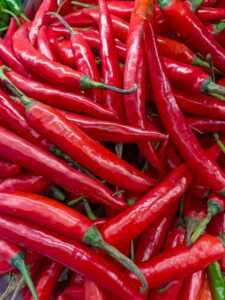
The compound found in cayenne pepper appears particularly promising for cardiovascular health. A 2019 Italian study tracking 22,811 adults discovered that regular cayenne pepper or chili pepper consumption was associated with reduced heart disease mortality. Additional research demonstrates cayenne pepper's potential to support blood vessel function and cardiovascular wellness through capsaicin's mechanism of action.
Antioxidant and Anti-Inflammatory Benefits
Beyond capsaicin, cayenne pepper contains multiple protective compounds supporting cellular health. Cayenne pepper's flavonoid and carotenoid content helps protect against oxidative stress, the cellular damage resulting from free radical accumulation. Research from 2015 showed that cayenne pepper varieties demonstrated superior antioxidant activity compared to other pepper types, suggesting cayenne pepper's unique nutritional advantages.
Following a diet emphasizing nutrient-dense, antioxidant-rich foods like cayenne pepper may help prevent chronic disease and support longevity. Large-scale reviews analyzing chili pepper consumption patterns, including cayenne pepper intake, found consistent associations between regular pepper consumption and reduced all-cause mortality risk. These findings reinforce that cayenne pepper represents a valuable addition to health-conscious diets when combined with other vegetables and fruits.
Cayenne Pepper's Role in Salt Reduction
Excessive sodium intake poses significant cardiovascular risks, but cayenne pepper offers an innovative solution. A 2017 study found that participants adding cayenne pepper to soup experienced reduced salt cravings, decreased hunger, and enhanced satiety one hour after meals. Utilizing cayenne pepper as a flavor enhancer allows for reducing added salt without sacrificing taste satisfaction.
If you typically rely on salt for seasoning, consider substituting powdered cayenne pepper or freshly chopped cayenne pepper in your recipes. This simple swap leverages cayenne pepper's intense flavor profile while reducing sodium consumption, particularly important for individuals managing blood pressure or cardiovascular health concerns.
Comprehensive Nutrition Support
Incorporating cayenne pepper into your diet synergizes with other nutritional practices. Pairing cayenne pepper with high-fiber vegetables creates dishes supporting digestive health, while combining cayenne pepper with protein-rich ingredients like eggs or legumes provides balanced nutrition. Consider adding cayenne pepper to high-protein snacks such as egg-based dishes or hummus recipes for enhanced flavor and nutritional completeness.
Additionally, proper hydration becomes increasingly important when consuming cayenne pepper regularly, as capsaicin can produce warming sensations requiring adequate fluid intake. Maintaining consistent fiber intake through vegetables complements cayenne pepper consumption by supporting digestive wellness and nutrient absorption throughout your gastrointestinal tract.
Culinary Versatility and Safety Considerations
Cayenne pepper's remarkable versatility extends across both sweet and savory applications. Fresh chopped cayenne pepper enhances stir-fries, while powdered cayenne pepper seasons soups, stews, and chilis. Surprisingly, cayenne pepper also works in baked goods like cornbread and chocolate cake, adding complexity without overwhelming sweetness. Experimentation with cayenne pepper in egg dishes, marinades, and homemade hot sauces reveals countless creative possibilities.
When handling cayenne pepper, exercise caution as capsaicin can irritate eyes and skin; always wash your hands thoroughly after chopping. While normal serving sizes of fresh or powdered cayenne pepper remain entirely safe, high-dose cayenne pepper supplements have been associated with dangerous side effects, including irregular heartbeat and elevated blood pressure. Avoid high-dose cayenne pepper supplements, and instead enjoy cayenne pepper's benefits through normal culinary consumption.
Conclusion
Cayenne pepper represents a nutrient-dense, versatile culinary ingredient with emerging evidence supporting various health benefits. By adding cayenne pepper to your regular diet through cooking, you access cayenne pepper's vitamin and antioxidant content while reducing reliance on less healthy flavoring alternatives. Although additional research on cayenne pepper's specific mechanisms continues, current evidence suggests regular cayenne pepper consumption as part of a balanced diet may contribute to improved cardiovascular health and overall wellness.