



Signs You Need Electrolytes: Symptoms and Solutions


Most people focus exclusively on hydration through water intake, overlooking a critical companion to optimal fluid balance: electrolytes. These essential minerals regulate nerve function, muscle contraction, heart rhythm, and fluid balance throughout your body. Yet electrolyte depletion happens far more frequently than many realize, particularly among athletes, active individuals, and those living in hot climates.
Understanding the signs you need electrolytes and knowing how to restore balance through food and strategic supplementation ensures you maintain peak physical performance and health. This comprehensive guide reveals why electrolytes matter and how to recognize when your body is signaling deficiency.
What Are Electrolytes and Why They Matter
Electrolytes are minerals carrying electrical charges essential for cellular function. Sodium, potassium, magnesium, and calcium represent the primary electrolytes your body requires. These minerals regulate nerve impulses, muscle contractions, fluid balance, and numerous metabolic processes.
When you sweat, urinate, or vomit, you lose electrolytes alongside water. Unlike water, your body cannot produce electrolytes independently; you must obtain them through diet or supplementation.
Recognizing Dehydration Versus Electrolyte Imbalance
Dehydration and electrolyte imbalance create distinctly different symptoms, yet many people confuse them. Simple dehydration responds to increased water intake. However, drinking excessive water without replacing electrolytes during intense physical activity actually worsens electrolyte imbalance, a dangerous condition called hyponatremia. Recognizing whether you need electrolytes requires understanding specific symptoms distinguishing electrolyte imbalance from simple fluid loss.
Key Signs You Need Electrolytes
Muscle Cramps and Spasms
Muscle cramps, particularly in legs and feet, frequently signal electrolyte depletion rather than dehydration alone. Potassium and magnesium insufficiency cause involuntary muscle contractions and cramping. Athletes frequently experience these cramps during or after intense exercise when electrolyte losses are highest. If you're experiencing persistent muscle cramping despite adequate water intake, you likely need electrolytes.
Persistent Fatigue
Overwhelming fatigue disproportionate to your activity level suggests an electrolyte imbalance. Sodium and potassium deficiencies impair cellular energy production, leaving you exhausted despite adequate sleep. This fatigue differs from normal post-exercise tiredness; it persists even with rest.
Headaches and Dizziness
Electrolyte imbalances disrupt fluid balance in your brain, causing persistent headaches and lightheadedness. These symptoms often accompany intense sweating or prolonged physical activity without electrolyte replacement. If headaches persist after hydrating with plain water, you need electrolytes.
Irregular Heartbeat
Electrolyte deficiencies, particularly potassium insufficiency, can trigger irregular heartbeat or heart palpitations. This serious symptom requires immediate medical attention. If you experience persistent irregular heartbeat, contact healthcare providers rather than self-treating with electrolyte supplements.
Nausea and Vomiting
Severe electrolyte imbalances cause nausea and gastrointestinal distress. Vomiting further depletes electrolytes, creating a vicious cycle requiring prompt intervention. This combination of symptoms warrants medical evaluation to determine whether you need electrolytes or if underlying illness requires treatment.
Weakness and Difficulty Concentrating
Electrolyte insufficiency impairs nerve signaling to muscles and brain, causing unexplained weakness and cognitive difficulty. Mental fog, difficulty concentrating, and generalized weakness signal that you need electrolytes urgently.
How to Get Electrolytes: Natural Food Sources
Sodium Sources
Table salt, broth, pickles, and naturally salty foods provide readily available sodium. While sodium receives negative press, athletes and active individuals require adequate sodium to replace sweat losses. One teaspoon of salt contains approximately 2,300 mg of sodium, your daily requirement.
Potassium-Rich Foods
Bananas famously contain potassium, though coconut water, spinach, sweet potatoes, and avocados provide superior potassium amounts. One medium banana contains 422 mg potassium; one cup of spinach contains 838 mg. Include diverse potassium sources throughout your diet to meet daily requirements of 2,600-3,400 mg.
Magnesium Sources
Nuts, seeds, leafy greens, and legumes contain substantial magnesium. Almonds provide 76 mg per ounce; pumpkin seeds contain 168 mg per ounce. Daily magnesium needs are 310-420 mg for adults, easily met through diverse food sources.
Calcium Options
Dairy products, leafy greens, fortified plant milks, and supplements provide calcium. One cup of milk contains 300 mg calcium; one cup of fortified almond milk contains similar amounts.
Strategic Electrolyte Supplementation
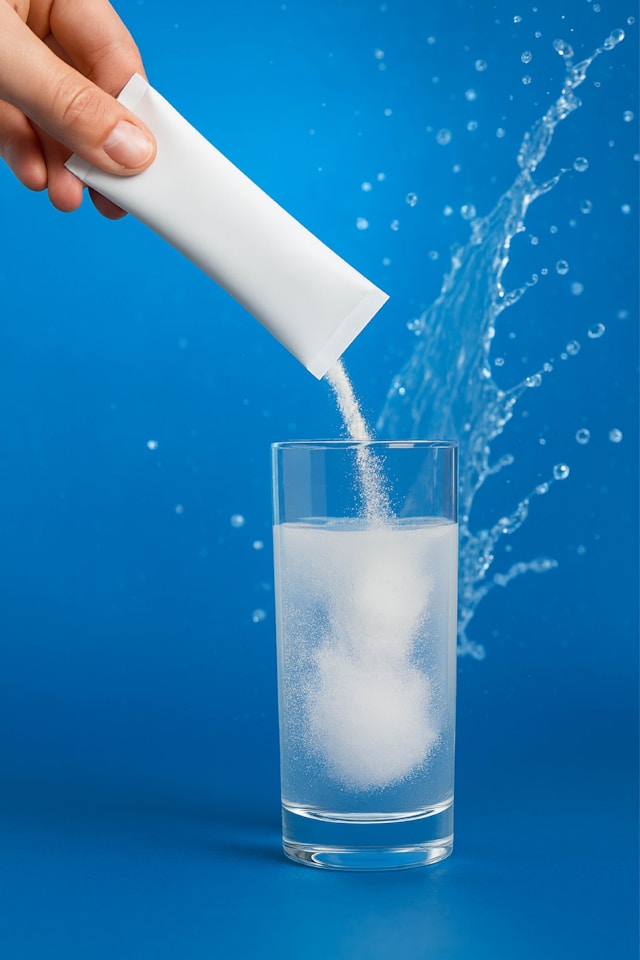
For intense exercise lasting over 60-90 minutes, food sources alone may not provide sufficient electrolyte replacement. Sports drinks containing sodium, potassium, and carbohydrates help maintain electrolyte balance during endurance activities. Electrolyte packets dissolved in water offer portable solutions for athletes.
However, casual exercisers rarely need specialized electrolyte supplements. Regular balanced meals provide adequate electrolytes for typical activity levels. Reserve supplements for intense or prolonged physical activity, heat exposure, or illness-related losses.
When You Absolutely Need Electrolytes
Certain situations demand immediate electrolyte replacement. Intense exercise in hot environments, gastrointestinal illness causing vomiting or diarrhea, and extreme sweating require deliberate electrolyte restoration. Recovery from heat exhaustion or dehydration necessitates electrolyte-containing fluids rather than plain water.
Maintaining Electrolyte Balance
Consistency matters more than occasional supplementation. Eat a varied diet including fruits, vegetables, nuts, dairy, and whole grains to maintain steady electrolyte intake. During exercise, consume electrolyte-containing beverages or foods strategically. Listen to your body; persistent symptoms suggest you need electrolytes promptly.
Taking Action on Electrolytes
Evaluate your current symptoms and activity level. If you're experiencing muscle cramps, fatigue, headaches, or other signs despite adequate hydration, you likely need electrolytes. Incorporate more potassium- and magnesium-rich foods into your diet. During intense exercise or heat exposure, consume electrolyte-containing beverages. Consider consulting healthcare providers if symptoms persist despite dietary adjustments. Your optimal health depends on balancing water intake with adequate electrolytes, an often-overlooked but essential component of true hydration.