



How Much Water Should You Drink a Day?


The advice to drink eight glasses of water daily has become so ingrained in health culture that most people accept it without question. However, determining optimal hydration through drinking water is far more nuanced than this oversimplified guideline suggests. Individual water needs vary dramatically based on activity level, climate, health status, and body composition.
Understanding how much water you actually need and implementing smart drinking water strategies ensures you maintain proper hydration supporting all body functions. This comprehensive guide reveals the science behind hydration and helps you determine your personal drinking water requirements.
The Science Behind Hydration Needs
Water comprises approximately 60% of adult body weight, performing critical functions including temperature regulation, nutrient transport, waste elimination, and joint lubrication. Your body loses water continuously through perspiration, respiration, and elimination. Adequate drinking water compensates for these losses, maintaining cellular function and overall health.
Harvard Health Publishing recommends 15.5 cups daily for women and 15.7 cups for men as baseline drinking water intake from all sources, including food and beverages. However, this represents an average, not a one-size-fits-all prescription. Furthermore, many factors significantly modify individual drinking water requirements beyond this general guideline.
Individual Factors That Modify Water Needs
Activity Level
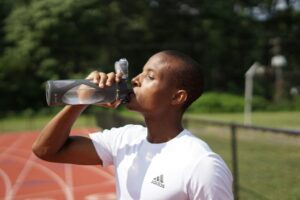
Athletic individuals require substantially more drinking water than sedentary people. During exercise, your body loses water through perspiration, particularly in warm environments. Athletes should increase their drinking water intake by 16-24 ounces for every hour of moderate to vigorous activity. Recreational exercisers benefit from intentional drinking water increases of 8-16 ounces surrounding their workouts.
Climate and Environment
Hot, humid climates dramatically increase water loss through perspiration. If you live in or travel to warm regions, prioritize increased drinking water consumption to offset environmental water losses. Cold, dry climates cause dehydration through respiratory water loss, also requiring elevated drinking water intake despite reduced sweating. High-altitude environments increase drinking water needs by 50% or more due to increased respiration rates.
Health Conditions
Certain medical conditions alter your optimal drinking water requirements. Fever, diarrhea, and vomiting increase water losses, requiring increased drinking water intake during acute illness. Kidney disease, heart conditions, and diabetes may require modified drinking water intake under medical supervision. Discuss personalized drinking water recommendations with healthcare providers if you have chronic health conditions.
Pregnancy and Breastfeeding
Pregnant women require approximately 2.3 liters of drinking water daily, about 10 cups. Breastfeeding mothers need even more, approximately 3.1 liters daily, roughly 13 cups. These elevated drinking water needs support fetal development and milk production.
Age Considerations
Older adults often have diminished thirst sensation despite requiring adequate drinking water for kidney function and temperature regulation. Older adults should maintain intentional drinking water habits rather than relying on thirst cues. Children's drinking water requirements scale with body weight, requiring parental oversight to ensure adequate hydration throughout the day.
Signs You are Not Drinking Enough Water
Chronic mild dehydration is surprisingly common, yet many people ignore warning signs. Dark urine indicates insufficient drinking water; ideally, urine should be pale yellow to clear. Persistent thirst, headaches, dizziness, and difficulty concentrating all signal inadequate drinking water intake.
Furthermore, constipation frequently reflects dehydration rather than fiber deficiency. Dry skin and increased susceptibility to illness also correlate with inadequate drinking water consumption. Recognizing these signs prompts necessary increases in drinking water intake.
The Benefits of Proper Hydration
Adequate drinking water intake supports energy, mental clarity, physical performance, and metabolic function. Hydration improves cognitive performance, mood, and attention span. Furthermore, proper drinking water consumption supports weight management by increasing satiety and metabolism. Athletic performance dramatically improves with optimized hydration strategies.
Smart Strategies for Meeting Your Drinking Water Goals
Calculate Your Personal Needs
Start with the baseline recommendation, 15.5 cups for women, 15.7 cups for men, then adjust upward for activity, climate, and health factors. Most people find that adding 1-1.5 liters of additional drinking water per day covers lifestyle modifications.
Spread Intake Throughout the Day
Drink water consistently throughout waking hours rather than attempting large quantities at once. Your kidneys process approximately 1 liter per hour, making steady drinking water intake more effective than concentrated consumption.
Include Water-Rich Foods
Fruits and vegetables like watermelon, cucumber, oranges, and leafy greens contribute significantly to daily water intake. These foods combine drinking water with fiber and nutrients, supporting both hydration and nutritional needs.
Set Drinking Water Reminders
Use phone alerts or water-tracking apps to maintain consistent drinking water habits. Habit formation typically requires 3-4 weeks, after which increased drinking water consumption becomes automatic.
Choose Water First
While coffee, tea, and juice contribute to fluid intake, they often contain caffeine or sugar offsetting hydration benefits. Prioritize plain drinking water as your primary hydration source, with other beverages as supplements rather than replacements.
Special Drinking Water Situations
During intense exercise, drink according to thirst rather than following rigid schedules. Drink approximately 16-24 ounces of water two hours before activity, then 6-12 ounces every 15-20 minutes during exercise. After activity, consume approximately 24 ounces of water for every pound of body weight lost during exertion.
Air travel significantly increases dehydration risk through low cabin humidity. Increase your drinking water intake substantially while flying, consuming 8 ounces per hour of flight time.
Taking Action on Hydration
Evaluate your current drinking water habits honestly, then calculate your personalized requirements accounting for activity, climate, and health status. Select one strategy from this article: setting reminders, tracking intake, or including more water-rich foods. Implement this single strategy consistently for two weeks before adding additional habits. Most importantly, listen to your body's signals. Your individual drinking water needs are unique, and optimal hydration results from personalized approaches rather than universal guidelines.