




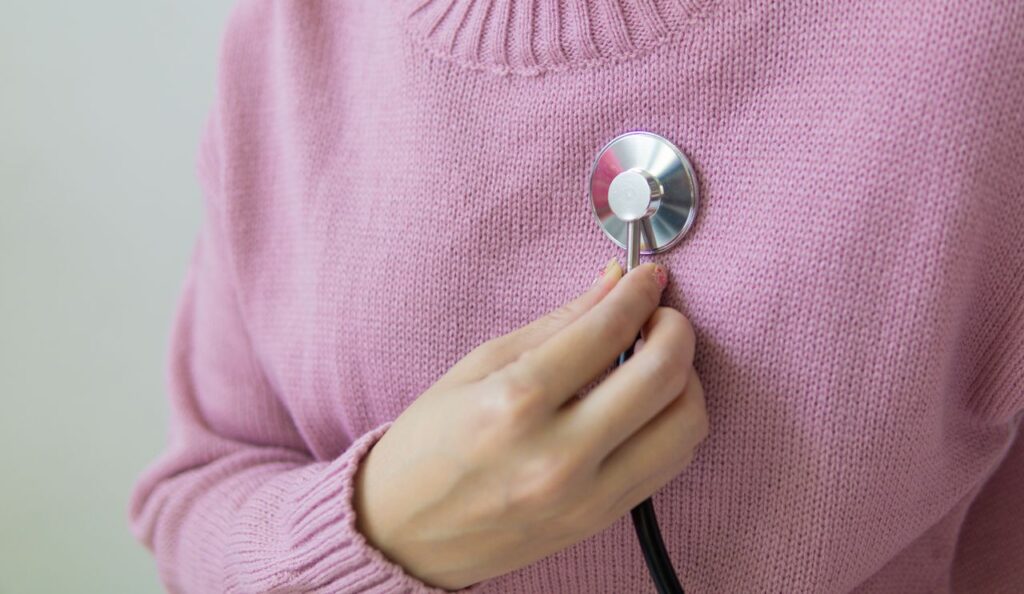
Why Does My Heart Race After I Eat? Common Causes and When to Worry


Finishing a meal should normally leave you feeling satisfied, not worried about your heartbeat. However, some people notice their heart beating faster, pounding, fluttering, or skipping beats shortly after eating. If you have been wondering, why does my heart race after i eat, there are several possible explanations.
A temporary increase in heart rate can occur as your body works to digest food. Certain foods and drinks, large meals, dehydration, stress, and changes in blood sugar may make the sensation more noticeable. In other cases, frequent palpitations after meals may be related to an underlying condition that deserves medical evaluation.
Understanding why does my heart race after i eat can help you identify possible triggers, know what changes may help, and recognize symptoms that should not be ignored.
Why Does My Heart Race After I Eat?
Eating naturally affects your cardiovascular and digestive systems. After a meal, your body directs more blood toward the digestive tract to help process and absorb nutrients. Your heart and blood vessels adjust to these changing demands.
For most people, these changes are barely noticeable. However, some individuals become aware of a faster or stronger heartbeat.
If you frequently ask why does my heart race after i eat, consider what you ate, how much you ate, your hydration level, medications, and whether other symptoms occur at the same time.
Common Causes of a Racing Heart After Eating
Several everyday factors can trigger or worsen heart palpitations after meals.
Eating a Large Meal
Large meals require more digestive activity than smaller portions. Some people become more aware of their heartbeat after eating a heavy meal, particularly if they eat quickly.
You may also experience:
- Bloating
- Fullness
- Indigestion
- Sleepiness
- Acid reflux
Eating smaller portions and slowing down during meals may help.
Caffeine
Caffeine is a stimulant that can temporarily increase heart rate or make palpitations more noticeable in sensitive people.
Common sources include:
- Coffee
- Energy drinks
- Tea
- Chocolate
- Some sodas
- Certain supplements
If you're trying to determine why does my heart race after i eat, keep track of how much caffeine you consume around meals.
High-Sugar Meals
Foods and drinks containing large amounts of rapidly absorbed carbohydrates may cause significant changes in blood glucose.
Your body responds by releasing insulin. In some individuals, later changes in blood sugar may be accompanied by symptoms such as:
- Shakiness
- Sweating
- Hunger
- Anxiety
- Fast heartbeat
Repeated symptoms should be discussed with a healthcare provider, particularly if you have diabetes or risk factors for it.
Spicy Foods
Spicy meals can temporarily cause sweating, warmth, flushing, or a noticeable heartbeat in some people.
This reaction may be related to compounds such as capsaicin and the body's response to heat.
Alcohol
Alcohol can affect heart rate and rhythm in some individuals. Larger amounts may increase the likelihood of experiencing palpitations.
If symptoms consistently appear after drinking alcohol, reducing or avoiding it may help identify whether it is a trigger.
Dehydration
Another possible explanation for why does my heart race after i eat is dehydration.
When you're dehydrated, your circulating blood volume can decrease, and your heart may beat faster to maintain adequate circulation.
Other signs include:
- Dry mouth
- Dark urine
- Headache
- Dizziness
- Fatigue
Drinking enough water throughout the day may help prevent dehydration-related symptoms.
Can Food Sensitivities Cause Heart Palpitations?
Some people notice palpitations after particular foods.
Food sensitivities do not usually cause dangerous heart rhythm problems by themselves, but individual reactions can vary. Keeping a food and symptom diary may help identify consistent patterns.
A true food allergy is different and can become an emergency.
Seek immediate help if a rapid heartbeat occurs with:
- Difficulty breathing
- Wheezing
- Swelling of the lips, tongue, or throat
- Widespread hives
- Fainting or severe dizziness
These may be signs of anaphylaxis.
Medical Conditions That May Cause a Racing Heart After Meals
Sometimes the answer to why does my heart race after i eat involves an underlying health condition.
Reactive Hypoglycemia
Reactive hypoglycemia refers to low blood glucose that occurs after eating, usually within several hours.
Possible symptoms include:
- Shaking
- Sweating
- Weakness
- Hunger
- Anxiety
- Palpitations
- Difficulty concentrating
Because these symptoms can have other causes, proper testing is important.
Anemia
Anemia reduces the blood's ability to carry oxygen effectively. Your heart may compensate by beating faster.
Other symptoms may include:
- Fatigue
- Weakness
- Shortness of breath
- Pale skin
- Dizziness
Blood tests can help identify anemia and its underlying cause.
Hyperthyroidism
An overactive thyroid can increase metabolism and heart rate.
Additional symptoms may include:
- Unexplained weight loss
- Trembling hands
- Heat intolerance
- Increased sweating
- Difficulty sleeping
- Frequent bowel movements
Thyroid function can be evaluated with blood tests.
Heart Rhythm Disorders
An arrhythmia is an abnormal heart rhythm. Some people become more aware of an existing rhythm problem after eating, even when the meal itself is not the underlying cause.
Examples include atrial fibrillation and supraventricular tachycardia.
Recurring episodes of a very fast or irregular heartbeat should be medically evaluated.
How Can I Stop My Heart From Racing After Eating?
Once you've considered why does my heart race after i eat, tracking patterns can be useful.
Try these practical strategies:
- Eat smaller meals.
- Eat slowly rather than rushing.
- Stay adequately hydrated.
- Limit excessive caffeine.
- Notice whether alcohol triggers symptoms.
- Maintain regular meals.
- Get adequate sleep.
- Manage stress.
- Keep a food and symptom diary.
Avoid eliminating multiple nutritious foods without evidence that they are causing your symptoms.
How Are Palpitations After Eating Diagnosed?
If symptoms occur regularly, a healthcare professional may ask when they start, how long they last, and whether your heartbeat feels fast, irregular, or both.
Testing may include:
Electrocardiogram
An electrocardiogram (ECG or EKG) records the heart's electrical activity and may detect certain rhythm abnormalities.
Heart Monitoring
Because palpitations may not occur during an office visit, a portable monitor may record your heart rhythm over a longer period.
Blood Tests
Blood testing may evaluate:
- Anemia
- Thyroid function
- Blood glucose
- Electrolyte abnormalities
Your healthcare provider will determine which tests are appropriate based on your symptoms and medical history.
When Should You See a Doctor?
Schedule an appointment if you're repeatedly wondering why does my heart race after i eat because episodes happen frequently or are becoming more noticeable.
Medical evaluation is especially important if:
- Episodes occur after most meals.
- Your heartbeat feels irregular.
- Symptoms last for an extended period.
- You become dizzy or unusually weak.
- You have known heart disease.
- Palpitations interfere with normal activities.
Keeping notes about foods, beverages, symptoms, and episode duration can provide useful information at your appointment.
When Is a Racing Heart an Emergency?
A racing heartbeat should not automatically be blamed on food.
Seek emergency medical attention if palpitations occur with:
- Chest pain or pressure
- Severe shortness of breath
- Fainting or near-fainting
- Severe dizziness
- New confusion
- Signs of a severe allergic reaction
These symptoms can indicate a serious medical problem requiring immediate assessment.
Conclusion
If you're asking why does my heart race after i eat, the cause may be as simple as a large meal, caffeine, alcohol, dehydration, or changes in blood sugar. However, recurring palpitations can sometimes be associated with anemia, thyroid disease, blood sugar problems, or an abnormal heart rhythm. Pay attention to your triggers and accompanying symptoms rather than assuming food is always responsible. If episodes are frequent, prolonged, or worsening, talk with a healthcare professional. Seek emergency care when a racing heartbeat occurs with chest pain, severe breathing difficulty, or fainting.
Frequently Asked Questions
Why does my heart race after i eat a big meal?
A large meal increases digestive activity and may make normal cardiovascular changes more noticeable. Eating smaller portions may help some people.
Can sugar make your heart beat faster?
Large changes in blood glucose, particularly if blood sugar later becomes too low, may cause palpitations, sweating, shakiness, and other symptoms in some individuals.
Can caffeine cause palpitations after meals?
Yes. Caffeine is a stimulant and may cause or worsen palpitations in people who are sensitive to it.
Can dehydration cause a racing heart after eating?
Yes. Dehydration can contribute to a faster heartbeat because your cardiovascular system must compensate for reduced fluid volume.
Can anxiety make my heart race after meals?
Yes. Anxiety can activate the body's stress response and make you more aware of your heartbeat.
Why does my heart pound but my heart rate is normal?
Palpitations can sometimes feel like pounding, fluttering, or skipped beats even without a dramatically elevated heart rate. Repeated episodes should be discussed with a healthcare provider.
Should I avoid certain foods if I get palpitations?
Rather than unnecessarily restricting your diet, keep a symptom diary to identify consistent triggers and discuss recurring symptoms with your healthcare provider.
When should heart palpitations after eating worry me?
Seek medical evaluation for frequent or worsening episodes. Get emergency help if palpitations occur with chest pain, severe shortness of breath, fainting, or severe dizziness.
