




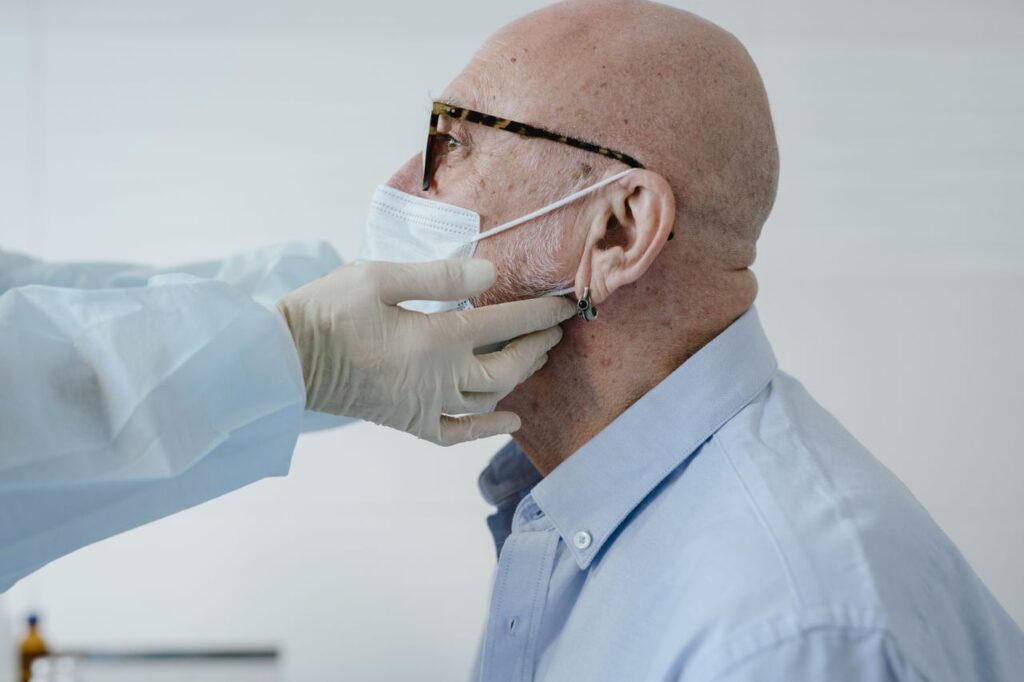
Behind Ear Swollen Lymph Nodes: Causes, Symptoms, Treatment, and When to See a Doctor


Finding a lump behind your ear can be worrying, especially if it appears suddenly or becomes painful. In many cases, behind ear swollen lymph nodes are a sign that your immune system is fighting an infection. Lymph nodes are small, bean-shaped glands that filter harmful bacteria, viruses, and other substances while helping your body defend itself against illness.
Most cases of behind ear swollen lymph nodes are temporary and improve once the underlying infection or inflammation resolves. However, swollen lymph nodes can occasionally be linked to more serious conditions that require medical evaluation.
This guide explains the most common causes of behind ear swollen lymph nodes, associated symptoms, treatment options, home care tips, and warning signs that mean it's time to see a healthcare provider.
What Are Behind Ear Swollen Lymph Nodes?
Lymph nodes are part of the lymphatic system, which supports your immune system by filtering lymph fluid and trapping germs.
The lymph nodes located behind the ears are called the posterior auricular lymph nodes. These glands help drain fluid from the:
- Scalp
- Outer ear
- Skin around the ear
- Parts of the face
When the immune system detects an infection or inflammation in these areas, behind ear swollen lymph nodes may enlarge as they produce additional infection-fighting cells.
What Causes Behind Ear Swollen Lymph Nodes?
Several conditions can cause behind ear swollen lymph nodes, ranging from mild infections to less common medical conditions.
Ear Infections
One of the most common causes is an ear infection.
Bacterial or viral infections affecting the outer or middle ear may cause nearby lymph nodes to enlarge.
Symptoms may include:
- Ear pain
- Reduced hearing
- Fever
- Fluid drainage
- Ear fullness
The swelling usually improves after the infection is treated.
Scalp Infections
Cuts, insect bites, dandruff-related skin irritation, or fungal infections affecting the scalp may trigger behind ear swollen lymph nodes.
Common scalp infections include:
- Ringworm (tinea capitis)
- Infected hair follicles
- Cellulitis
Treating the scalp condition often reduces the lymph node swelling.
Throat Infections
Viral and bacterial throat infections may cause lymph nodes around the neck and behind the ears to become enlarged.
Examples include:
- Strep throat
- Tonsillitis
- Common cold
- Influenza
The swelling typically decreases as the illness improves.
Dental Problems
Tooth infections, gum disease, or dental abscesses can sometimes cause nearby lymph nodes to swell.
Possible symptoms include:
- Tooth pain
- Swollen gums
- Bad breath
- Difficulty chewing
Prompt dental treatment helps prevent complications.
Skin Infections
Skin infections near the ear or scalp may also lead to behind ear swollen lymph nodes.
Examples include:
- Infected cuts
- Pimples
- Boils
- Cellulitis
These infections usually improve with appropriate treatment.
Viral Infections
Many viral illnesses can temporarily enlarge lymph nodes.
Examples include:
- Mononucleosis
- COVID-19
- Measles
- Rubella
Viral infections often cause swollen lymph nodes in multiple areas of the body.
Less Common Causes
Although uncommon, behind ear swollen lymph nodes may also occur because of:
- Autoimmune diseases
- Tuberculosis
- Cat scratch disease
- Lyme disease
- Certain cancers, such as lymphoma or leukemia
- Metastatic cancer affecting nearby lymph nodes
Fortunately, cancer is a much less common cause than infections.
Symptoms That May Occur With Behind Ear Swollen Lymph Nodes
Depending on the underlying cause, you may also experience:
- Tenderness behind the ear
- Ear pain
- Fever
- Sore throat
- Runny nose
- Headache
- Scalp tenderness
- Skin redness
- Fatigue
- Tooth pain
The combination of symptoms often helps healthcare providers identify the underlying cause.
When Are Swollen Lymph Nodes Normal?
Small lymph nodes that become enlarged during an infection are usually a normal immune response.
Healthy lymph nodes often:
- Feel soft or slightly firm
- Move easily under the skin
- Become tender during infections
- Gradually shrink after recovery
It may take several weeks for swollen lymph nodes to return to their normal size after an illness.
How Are Behind Ear Swollen Lymph Nodes Diagnosed?
If swelling lasts longer than expected or has concerning features, your healthcare provider may recommend an evaluation.
Medical History
Your provider may ask about:
- Recent illnesses
- Ear infections
- Dental problems
- Skin injuries
- Travel history
- Current medications
- Family medical history
Physical Examination
The healthcare provider will examine:
- The swollen lymph nodes
- Ears
- Nose
- Throat
- Mouth
- Scalp
- Neck
They may assess the size, texture, tenderness, and mobility of the lymph nodes.
Blood Tests
Depending on your symptoms, blood tests may include:
- Complete blood count (CBC)
- Tests for viral infections
- Inflammatory markers
Imaging Tests
If necessary, imaging studies such as an ultrasound or CT scan may provide additional information about enlarged lymph nodes.
Biopsy
If a lymph node remains enlarged for an extended period or has concerning features, your healthcare provider may recommend removing a small tissue sample for examination.
Most people with swollen lymph nodes do not require a biopsy.
Treatment for Behind Ear Swollen Lymph Nodes
Treatment depends on the underlying cause rather than the swollen lymph node itself.
Treat the Infection
Bacterial infections may require antibiotics, while viral infections usually improve with supportive care.
Always use antibiotics only when prescribed by a healthcare professional.
Pain Relief
Over-the-counter pain relievers may help reduce discomfort when appropriate.
Follow the dosing instructions on the product label or your healthcare provider's advice.
Warm Compresses
Applying a warm, moist compress to the affected area for 10 to 15 minutes several times a day may help relieve discomfort.
Stay Hydrated
Drinking enough fluids supports recovery during many illnesses.
Get Plenty of Rest
Rest allows your immune system to focus on fighting the underlying infection.
Home Care Tips
If behind ear swollen lymph nodes are caused by a mild infection, these self-care measures may help:
- Drink plenty of water.
- Get adequate sleep.
- Maintain good oral hygiene.
- Wash scalp wounds gently.
- Avoid touching or squeezing the swollen area.
- Follow your healthcare provider's treatment plan.
Avoid repeatedly checking the swollen lymph node, as frequent touching may increase irritation.
When Should You See a Doctor?
Arrange a medical evaluation if behind ear swollen lymph nodes:
- Last longer than two to four weeks
- Continue getting larger
- Become increasingly painful
- Feel very hard or fixed in place
- Return repeatedly
- Are accompanied by unexplained weight loss
- Occur with persistent fever or night sweats
These symptoms deserve prompt medical assessment.
Seek Emergency Medical Care If
Go to the nearest emergency department or call emergency services immediately if you develop:
- Difficulty breathing
- Difficulty swallowing
- Rapidly increasing swelling
- High fever with severe illness
- Severe neck swelling
- Confusion
- Signs of a severe allergic reaction
These symptoms may indicate a medical emergency.
Conclusion
Behind ear swollen lymph nodes are most commonly caused by infections affecting the ear, scalp, throat, mouth, or nearby skin. In most cases, the swelling improves as the underlying illness resolves. However, persistent enlargement, rapidly growing lymph nodes, or swelling accompanied by unexplained weight loss, night sweats, or prolonged fever should always be evaluated by a healthcare provider. Early diagnosis and appropriate treatment can help identify the underlying cause and support a full recovery.
Frequently Asked Questions
What causes behind ear swollen lymph nodes?
The most common causes include ear infections, scalp infections, throat infections, dental problems, viral illnesses, and skin infections.
Are behind ear swollen lymph nodes usually serious?
Most cases are caused by temporary infections and are not serious, but persistent or unusual swelling should be medically evaluated.
How long do swollen lymph nodes behind the ear last?
They often improve within a few weeks after the underlying infection resolves, although complete recovery may take longer for some people.
Can stress cause swollen lymph nodes?
Stress itself does not usually cause swollen lymph nodes, but infections that occur during periods of stress may lead to enlargement.
Should I massage a swollen lymph node?
No. Repeatedly massaging or squeezing swollen lymph nodes may increase irritation and discomfort.
Can allergies cause behind ear swollen lymph nodes?
Allergies are less likely to cause swollen lymph nodes directly, but associated inflammation or infections may contribute.
When should I worry about a swollen lymph node behind my ear?
Seek medical advice if the swelling lasts more than two to four weeks, grows larger, feels hard, or occurs with fever, night sweats, or unexplained weight loss.
Can swollen lymph nodes behind the ear be cancer?
Cancer is a much less common cause than infection. However, persistent or unexplained swollen lymph nodes should always be evaluated by a healthcare provider.
