




UTIs vs. Yeast Infections: Key Differences Explained


Burning sensation during urination, pelvic discomfort, and vaginal irritation send many women rushing to their doctors, convinced they have one infection or the other. The frustrating truth is that urinary tract infections (UTIs) and yeast infections share enough overlapping symptoms to create confusion.
However, these two infections are completely different conditions caused by different organisms, affecting different body parts, and requiring entirely different treatments. Understanding the key differences helps you identify which condition you have and get appropriate care quickly.
The Fundamental Difference: Bacterial vs. Fungal
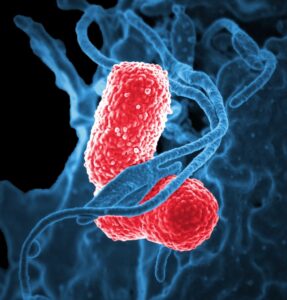
The most critical distinction separating UTIs and yeast infections is their cause. UTIs are bacterial infections caused when bacteria, most commonly E. coli, enter and multiply in your urinary tract.
Yeast infections are fungal infections resulting from overgrowth of Candida albicans, a fungus that normally lives in your vagina in small amounts. This fundamental difference explains why antibiotics can cure UTIs while worsening yeast infections by killing beneficial bacteria that keep yeast in check.
Where the Infections Occur
Location represents another crucial distinguishing feature. UTIs affect your urinary system: the urethra, bladder, ureters, and potentially kidneys if left untreated. The discomfort from UTIs is primarily internal, affecting how you urinate and causing bladder pressure. Yeast infections, by contrast, occur in the vagina and vulva, causing external discomfort and irritation. Furthermore, this anatomical difference directly influences the specific symptoms each infection produces.
Distinctive Symptoms That Give Clues
While both conditions cause discomfort, their symptoms tell very different stories. UTI symptoms focus on urination difficulties: burning during urination, frequent urgent need to urinate, cloudy or bloody urine, and pelvic pressure or discomfort. Additionally, if the infection spreads to your kidneys, you may experience fever, chills, nausea, and back pain, symptoms requiring immediate medical attention.
Yeast infection symptoms center on external irritation rather than urinary problems. You’ll experience intense itching and burning in the vaginal and vulvar areas. Moreover, yeast infections produce thick, white, cottage cheese-like discharge that’s odorless to slightly sweet-smelling. Importantly, yeast infections typically do not cause the urgent, frequent urination pattern characteristic of UTIs.
The discharge distinction proves particularly helpful: UTIs usually produce no vaginal discharge changes, while yeast infections feature distinctive thick white discharge. Therefore, paying attention to discharge can quickly point you toward the correct diagnosis.
Causes and Risk Factors
UTIs develop when bacteria from your skin or rectum enter the urethra and multiply in your bladder. Women face higher UTI risk because the female urethra is shorter, allowing bacteria easier access to the bladder. Furthermore, sexual activity, urinary retention, pregnancy, and certain contraceptive methods increase UTI susceptibility.
Yeast infections arise from conditions favoring Candida overgrowth. Taking antibiotics kills beneficial bacteria that normally control yeast levels. Additionally, hormonal changes during pregnancy, menstrual cycles, or use of hormonal contraceptives create a yeast-favorable environment. Moreover, high blood sugar levels, tight clothing, poor hygiene, and weakened immunity all contribute to yeast overgrowth.
Treatment Approaches Differ Significantly
Because UTIs result from bacterial infection, they require prescription antibiotics for complete elimination. Taking a full course of antibiotics, even if symptoms improve, prevents the infection from returning and reduces the risk of antibiotic resistance. Most UTI symptoms resolve within a few days of starting antibiotics, though you should complete the full prescribed course.
Yeast infections, being fungal infections, respond to antifungal medications rather than antibiotics. Over-the-counter options including creams, ointments, vaginal suppositories, and vaginal inserts effectively treat most yeast infections without requiring a doctor’s visit. Treatment typically lasts one to seven days, depending on the medication’s strength and the infection’s severity.
Duration and Recovery
UTI recovery with proper antibiotics usually occurs within three to five days, though symptoms often improve within the first day or two. However, completing the full course of antibiotics remains essential even after symptoms disappear.
Yeast infection treatment typically provides relief within 1 to 7 days, depending on the medication chosen and the infection’s severity. Most people find symptoms improving significantly within 24-48 hours of starting treatment.
When to Seek Medical Help
Schedule a doctor’s appointment for any suspected UTI, as confirming the diagnosis through urinalysis ensures you receive appropriate antibiotics. Seek immediate medical attention if you develop fever, chills, nausea, vomiting, or back pain, as these indicate the infection may have spread to your kidneys.
For yeast infections, over-the-counter treatments work for most cases. However, consult your doctor if this is your first yeast infection, symptoms persist after over-the-counter treatment, infections recur frequently, or you’re pregnant. Additionally, misdiagnosing yourself and treating the wrong condition delays proper recovery and may worsen symptoms.
The Bottom Line
While UTIs and yeast infections can feel similarly uncomfortable, they’re entirely different infections requiring different treatments. Remember: UTIs mean bacteria in your urinary system requiring antibiotics, while yeast infections mean fungal overgrowth requiring antifungals.
Paying attention to your specific symptoms, particularly the characteristics of your discharge and urinary urgency, helps you determine which condition you likely have. When in doubt, professional testing through urinalysis or vaginal swab provides a definitive diagnosis and ensures you receive the correct treatment for fast, effective relief.