




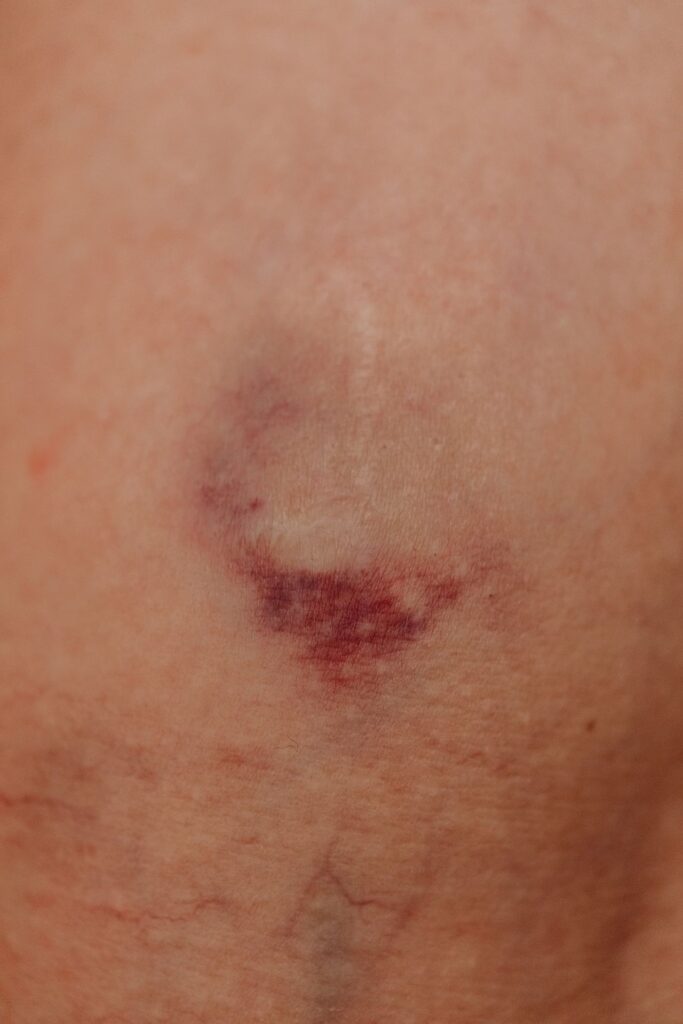
Why Do I Bruise So Easily? Common Causes, Symptoms, and When to See a Doctor


Bruises are a normal part of life and often happen after bumping into furniture, falling, or sustaining a minor injury. However, if you notice bruises appearing frequently or without remembering an injury, you may wonder, why do I bruise so easily. While occasional bruising is usually harmless, frequent or unexplained bruising can sometimes signal an underlying health condition or nutritional deficiency.
Understanding the possible causes of easy bruising can help you determine when lifestyle changes may help and when it's important to seek medical advice.
Why Do I Bruise So Easily?
If you've been asking, why do I bruise so easily, the answer may depend on several factors. Bruising occurs when tiny blood vessels called capillaries break beneath the skin, allowing blood to leak into surrounding tissues.
Some people naturally bruise more easily than others, while certain medical conditions and medications can increase the risk.
How Bruises Form
A bruise develops after small blood vessels are damaged due to an impact or pressure.
As the body heals, the bruise typically changes color:
- Red or purple
- Blue
- Green
- Yellow
- Brown
Most bruises heal within two to three weeks without treatment.
Common Causes of Easy Bruising
Several everyday factors may explain why do I bruise so easily.
Aging
As people age, the skin becomes thinner and loses some of its protective fatty layer.
This makes blood vessels more vulnerable to injury, even after minor bumps.
Minor Injuries
Sometimes bruises develop after injuries that you may not even remember.
Examples include:
- Bumping into furniture
- Carrying heavy bags
- Sports activities
- Household chores
Vitamin Deficiencies
Certain vitamin deficiencies may contribute to easy bruising.
Vitamin C Deficiency
Vitamin C supports healthy blood vessels and collagen production.
Low levels may increase bruising and slow wound healing.
Vitamin K Deficiency
Vitamin K plays an essential role in blood clotting.
A deficiency may increase the likelihood of bruising.
Iron Deficiency
Low iron levels may contribute to fatigue and, in some cases, easy bruising, especially if another condition is also present.
These nutritional issues may help explain why do I bruise so easily.
Certain Medications
Some medications make bruising more likely.
Common examples include:
- Blood thinners
- Aspirin
- Corticosteroids
- Certain antidepressants
Never stop taking prescribed medication without consulting your healthcare provider.
Medical Conditions That Cause Easy Bruising
Several health conditions may increase bruising.
Bleeding Disorders
Conditions affecting blood clotting include:
- Von Willebrand disease
- Hemophilia
- Platelet disorders
Liver Disease
The liver produces proteins needed for blood clotting.
Liver disease may increase bruising and bleeding.
Blood Disorders
Certain blood disorders may affect platelet production or clotting function.
Sun-Damaged Skin
Long-term sun exposure weakens skin and blood vessels.
Older adults often develop bruises more easily on areas exposed to sunlight, particularly the arms and hands.
Hormonal Changes
Hormonal fluctuations may affect blood vessels and skin thickness.
Some women notice increased bruising during hormonal changes related to aging or menopause.
Symptoms That May Accompany Easy Bruising
In addition to bruising, some people experience:
- Frequent nosebleeds
- Bleeding gums
- Heavy menstrual periods
- Slow wound healing
- Fatigue
- Small red or purple spots on the skin (petechiae)
These symptoms may indicate an underlying medical condition.
How Easy Bruising Is Diagnosed
If bruising becomes frequent or severe, your healthcare provider may recommend:
Medical History
Reviewing:
- Current medications
- Family history
- Recent illnesses
- Dietary habits
Physical Examination
Checking the size, location, and pattern of bruising.
Blood Tests
Common tests may include:
- Complete blood count (CBC)
- Platelet count
- Blood clotting tests
- Liver function tests
- Vitamin level assessments
These evaluations help determine why do I bruise so easily.
How to Reduce Easy Bruising
Depending on the cause, several strategies may help.
Eat a Nutrient-Rich Diet
Include foods rich in:
- Vitamin C
- Vitamin K
- Iron
- Protein
Protect Your Skin
Wear protective clothing during activities that increase the risk of injury.
Review Medications
If bruising worsens after starting a medication, discuss your concerns with your healthcare provider.
Stay Active
Regular exercise helps maintain healthy muscles, balance, and circulation.
When to See a Doctor
You should seek medical advice if:
- Bruises appear without injury
- Bruises are unusually large or painful
- You bruise frequently
- Bruising is accompanied by bleeding gums or nosebleeds
- You have unexplained fatigue
- Symptoms develop suddenly
A healthcare provider can determine whether further evaluation is needed.
Can Easy Bruising Be Prevented?
While not every cause can be prevented, healthy lifestyle habits may reduce your risk.
Helpful strategies include:
- Eating a balanced diet
- Protecting your skin from injury
- Managing chronic health conditions
- Following medical advice about medications
- Attending regular health checkups
Conclusion
If you've been wondering, why do I bruise so easily, there are many possible explanations, ranging from aging and minor injuries to vitamin deficiencies, medications, and underlying medical conditions. Occasional bruising is usually normal, but frequent or unexplained bruises deserve medical evaluation. Identifying the underlying cause allows appropriate treatment and helps protect your long-term health.
Frequently Asked Questions (FAQs)
1. Why do I bruise so easily without getting hurt?
Minor injuries you don't notice, aging, vitamin deficiencies, medications, or certain medical conditions may cause easy bruising.
2. Can vitamin deficiencies cause bruising?
Yes, deficiencies in vitamin C and vitamin K are common nutritional causes of easy bruising.
3. Does iron deficiency cause bruising?
Iron deficiency alone is not a common direct cause, but it may occur alongside other conditions that contribute to bruising.
4. Can stress cause bruising?
Stress itself does not usually cause bruising, but chronic stress may affect overall health and healing.
5. Which medications can cause easy bruising?
Blood thinners, aspirin, corticosteroids, and some antidepressants may increase bruising.
6. When should I worry about bruising?
Seek medical advice if bruises appear frequently, without injury, are unusually large, or occur with other bleeding symptoms.
7. How are causes of easy bruising diagnosed?
Doctors may use a physical examination, medical history, and blood tests such as a CBC and clotting studies.
8. Can easy bruising be prevented?
A healthy diet, protecting your skin, and managing underlying medical conditions may help reduce bruising.
