




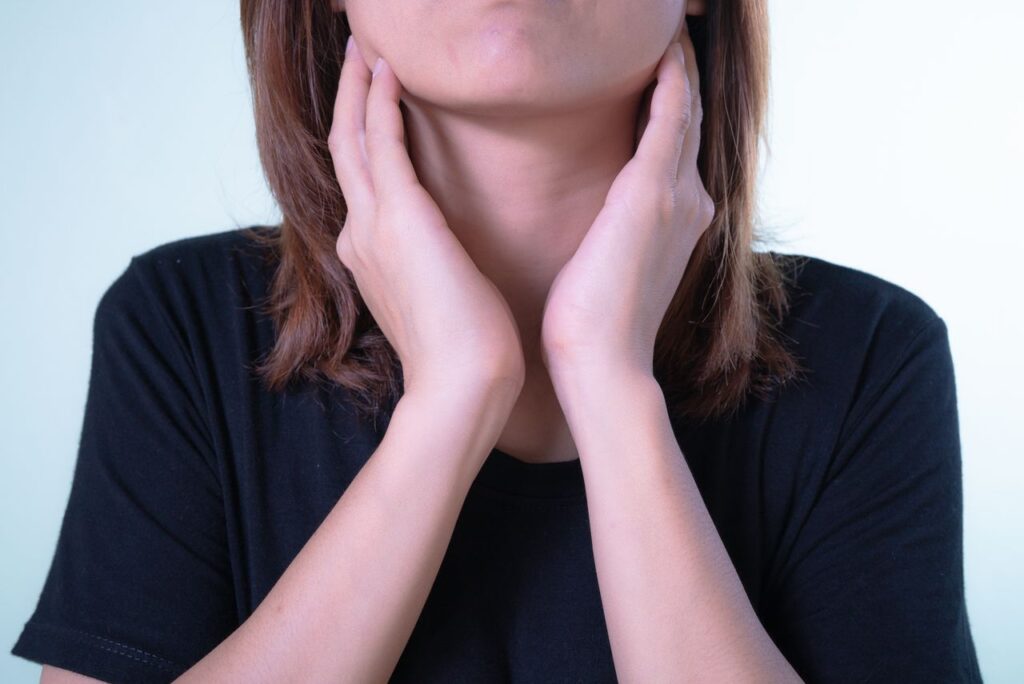
Signs of Thyroid Problems: Symptoms, Causes, and When to Seek Help


The thyroid is a small butterfly-shaped gland located in the front of the neck, but it plays a major role in overall health. It produces hormones that regulate metabolism, energy levels, body temperature, heart rate, and many other essential functions. When the thyroid does not work properly, a wide range of symptoms can develop. Understanding the signs of thyroid problems can help identify potential issues early and support timely medical care.
Because thyroid disorders often develop gradually, many people may not realize their symptoms are related to the thyroid gland.
What Does the Thyroid Do?
The thyroid produces hormones that help regulate:
- Metabolism
- Energy production
- Heart function
- Body temperature
- Weight management
- Brain function
- Muscle performance
When hormone levels become too high or too low, various signs of thyroid problems may appear.
Common Types of Thyroid Disorders
Several conditions can affect thyroid function.
Hypothyroidism
Hypothyroidism occurs when the thyroid produces too little hormone.
Hyperthyroidism
Hyperthyroidism occurs when the thyroid produces too much hormone.
Thyroid Nodules
These are growths that develop within the thyroid gland.
Hashimoto's Thyroiditis
An autoimmune condition that commonly causes hypothyroidism.
Graves' Disease
An autoimmune disorder that often leads to hyperthyroidism.
Each condition may cause different signs of thyroid problems.
Common Signs of Thyroid Problems
Some symptoms can occur with both overactive and underactive thyroid conditions.
Fatigue
Persistent tiredness is one of the most common signs of thyroid problems.
People may feel:
- Exhausted after sleeping
- Low energy throughout the day
- Physically weak
Fatigue is particularly common in hypothyroidism.
Unexplained Weight Changes
Changes in thyroid hormone levels can affect metabolism.
Weight Gain
An underactive thyroid may slow metabolism and contribute to weight gain.
Weight Loss
An overactive thyroid may speed up metabolism and cause unexpected weight loss.
Mood Changes
Thyroid disorders can affect emotional well-being.
Symptoms may include:
- Anxiety
- Irritability
- Depression
- Mood swings
These emotional symptoms are common signs of thyroid problems.
Signs of an Underactive Thyroid
Hypothyroidism often develops slowly.
Feeling Cold Frequently
People may become unusually sensitive to cold temperatures.
Dry Skin
Skin may become:
- Dry
- Rough
- Flaky
Constipation
Slower digestion is common with low thyroid hormone levels.
Hair Thinning
Hair may become thinner, brittle, or fall out more easily.
Brain Fog
Difficulty concentrating and memory problems are frequently reported.
These are among the most common signs of thyroid problems related to hypothyroidism.
Signs of an Overactive Thyroid
Hyperthyroidism speeds up many body processes.
Rapid Heartbeat
People may notice:
- Heart palpitations
- Increased heart rate
- Irregular heartbeat
Increased Sweating
Excessive sweating may occur even in cool environments.
Nervousness and Anxiety
An overactive thyroid can stimulate the nervous system and increase anxiety symptoms.
Trouble Sleeping
Many individuals experience:
- Insomnia
- Restless sleep
- Frequent waking
Muscle Weakness
Muscles may tire more quickly during physical activity.
These symptoms may indicate hyperthyroidism.
Physical Signs of Thyroid Problems
Certain physical changes may also occur.
Swelling in the Neck
An enlarged thyroid, called a goiter, may create visible swelling.
Puffy Face
Some people with hypothyroidism develop facial puffiness.
Changes in Menstrual Cycles
Women may experience:
- Heavier periods
- Lighter periods
- Irregular cycles
Hormonal balance can be affected by thyroid dysfunction.
Causes of Thyroid Problems
Several factors may contribute to thyroid disorders.
Autoimmune Diseases
Hashimoto's thyroiditis and Graves' disease are common autoimmune causes.
Family History
A genetic predisposition may increase risk.
Iodine Imbalance
Too much or too little iodine may affect thyroid function.
Certain Medications
Some medications can influence thyroid hormone production.
Aging
The risk of thyroid disorders increases with age.
Who Is at Higher Risk?
Certain groups are more likely to develop thyroid disorders.
Risk Factors
- Women
- Adults over age 60
- People with autoimmune diseases
- Those with a family history of thyroid disease
Recognizing signs of thyroid problems is especially important for individuals in higher-risk groups.
How Thyroid Problems Are Diagnosed
Healthcare providers use several methods to evaluate thyroid function.
Medical History
Symptoms and family history are reviewed.
Physical Examination
Doctors may examine the neck for thyroid enlargement.
Blood Tests
Common tests include:
- TSH (Thyroid Stimulating Hormone)
- T3
- T4
These tests help determine how well the thyroid is functioning.
Treatment Options
Treatment depends on the specific thyroid condition.
Hypothyroidism Treatment
Synthetic thyroid hormone replacement is commonly prescribed.
Hyperthyroidism Treatment
Options may include:
- Medications
- Radioactive iodine therapy
- Surgery in some cases
Treatment plans are individualized based on the patient's needs.
When to See a Doctor
You should seek medical advice if you experience:
- Persistent fatigue
- Unexplained weight changes
- Hair loss
- Heart palpitations
- Neck swelling
- Ongoing mood changes
Early diagnosis can help prevent complications and improve quality of life.
Conclusion
Recognizing the signs of thyroid problems can help identify thyroid disorders before they significantly affect health. Symptoms such as fatigue, weight changes, hair thinning, mood disturbances, temperature sensitivity, and heart palpitations may indicate an issue with thyroid function. If you notice persistent symptoms, consulting a healthcare provider can help determine the cause and guide appropriate treatment.
Frequently Asked Questions (FAQs)
1. What are the most common signs of thyroid problems?
Fatigue, weight changes, hair loss, mood changes, and temperature sensitivity are common symptoms.
2. Can thyroid problems cause anxiety?
Yes, hyperthyroidism can contribute to anxiety and nervousness.
3. Does thyroid disease cause weight gain?
Hypothyroidism commonly causes weight gain due to a slower metabolism.
4. Can thyroid problems affect sleep?
Yes, both underactive and overactive thyroid conditions may affect sleep quality.
5. Is hair loss a symptom of thyroid disease?
Yes, hair thinning and hair loss are common thyroid-related symptoms.
6. How are thyroid disorders diagnosed?
Blood tests measuring TSH, T3, and T4 are commonly used.
7. Can thyroid problems be treated?
Yes, most thyroid disorders can be managed with appropriate treatment.
8. When should I see a doctor?
If symptoms are persistent, worsening, or affecting daily life.
