




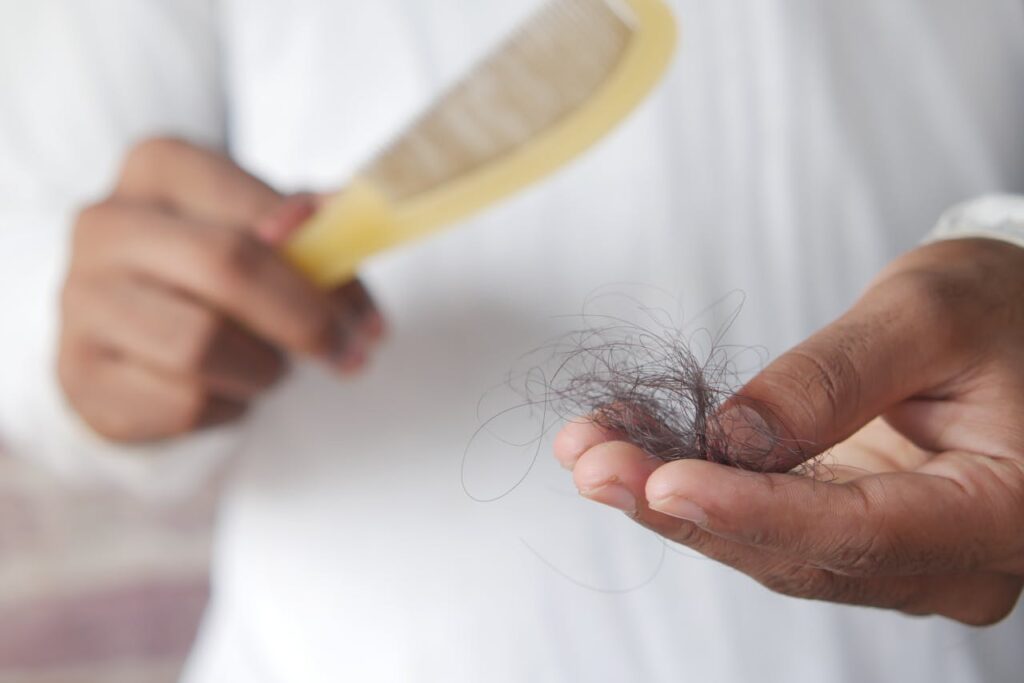
Does Creatine Cause Hair Loss? Understanding the Science Behind the Concern


Creatine, one of the most popular and widely used supplements in the fitness world, is often associated with enhancing athletic performance and promoting muscle growth. However, some people worry that taking creatine could lead to hair loss. This concern has been the subject of debate among fitness enthusiasts, scientists, and healthcare professionals alike.
In this article, we will explore whether creatine really causes hair loss, the scientific evidence surrounding the claim, and what you need to know if you're considering adding creatine to your supplement regimen.
What Is Creatine and How Does It Work?
Creatine is a naturally occurring compound found in small amounts in foods like red meat and fish. It is also synthesized by the body from amino acids, primarily in the liver, kidneys, and pancreas. Creatine is stored in muscles, where it plays a crucial role in energy production during short bursts of intense physical activity, such as sprinting or weightlifting.
When you supplement with creatine, you increase the levels of creatine phosphate in your muscles, which helps regenerate ATP (adenosine triphosphate), the primary energy currency of cells. This leads to improved strength, power, and endurance, making it an effective tool for athletes and bodybuilders.
The Hair Loss Myth: Where Did It Come From?
The idea that creatine could cause hair loss likely stems from a single study conducted in 2009, which suggested a link between creatine supplementation and elevated levels of dihydrotestosterone (DHT)—a hormone known to play a role in hair loss.
DHT is a derivative of testosterone and is responsible for hair follicle shrinkage in individuals genetically predisposed to male-pattern baldness. In the study, college-aged male rugby players were given a creatine supplement for three weeks, and researchers observed a significant increase in DHT levels. This led some to speculate that higher DHT levels could contribute to hair thinning or loss.
However, this study has several limitations. It involved a small sample size, and its findings have not been consistently replicated in larger, more diverse populations. Additionally, the increase in DHT was only observed during the initial supplementation period, and there is no direct evidence showing that creatine supplementation causes permanent hair loss.
What Does the Research Say?
While the 2009 study raised concerns, subsequent research has not found strong evidence linking creatine supplementation to significant hair loss. Here are some key points from the research:
Limited Evidence
Most studies examining creatine’s effects on hair loss focus on the potential increase in DHT. However, no study has conclusively demonstrated that creatine directly leads to hair follicle damage or hair loss.
No Long-Term Studies
While there is some evidence suggesting creatine may temporarily increase DHT levels, no long-term studies have tracked the long-term effects of creatine on hair growth or hair loss in men or women.
Genetic Factors
Hair loss is primarily influenced by genetics and hormones, particularly DHT. Individuals who are genetically predisposed to male-pattern baldness are more likely to experience hair thinning, regardless of their creatine use.
Individual Variation
The way your body responds to creatine can vary. While some people may experience a slight increase in DHT levels, others may see no change at all. Factors like age, hormone levels, and genetics play a more significant role in hair loss than creatine supplementation.
Creatine and DHT: Understanding the Connection
Dihydrotestosterone (DHT) is often considered the "main culprit" behind male-pattern baldness. DHT binds to androgen receptors in hair follicles, causing them to shrink and eventually stop producing hair. Higher levels of DHT are typically found in individuals with a family history of baldness.
While creatine supplementation may cause a temporary increase in DHT levels, it's important to note that a rise in DHT does not necessarily mean you will experience hair loss. Most research suggests that creatine’s effect on DHT is minimal and does not lead to significant hair follicle damage in the majority of users.
Should You Be Concerned About Hair Loss?
If you're concerned about hair loss, it's essential to consider several factors:
Genetics
If you have a family history of hair loss, you may be more susceptible to the effects of DHT, whether or not you take creatine.
Testosterone Levels
Creatine supplementation may slightly increase testosterone levels, which could lead to a small increase in DHT. However, this effect is typically short-lived and varies between individuals.
Other Causes of Hair Loss
Stress, poor diet, medical conditions, and certain medications can all contribute to hair thinning or loss. It's important to rule out other factors before attributing hair loss to creatine use.
Tips for Preventing Hair Loss While Using Creatine
If you’re worried about the potential effects of creatine on hair loss, there are steps you can take to minimize the risk:
Monitor Your DHT Levels
If you're concerned about DHT, consider consulting with a healthcare provider to check your hormone levels before and after starting creatine supplementation.
Use Creatine Responsibly
Stick to recommended dosages (typically 3–5 grams per day) and avoid excessive use. Taking more than the recommended amount is unlikely to yield additional benefits and may exacerbate side effects.
Consider DHT Blockers
Some individuals use supplements like saw palmetto or finasteride, which are known to block the conversion of testosterone into DHT. However, these should only be used under the guidance of a healthcare provider.
Maintain a Healthy Diet
A balanced diet rich in vitamins and minerals is essential for overall health, including hair health. Ensure you're getting enough nutrients to support healthy hair growth.
Conclusion: Does Creatine Cause Hair Loss?
Based on the available evidence, creatine does not directly cause hair loss. While there is some evidence suggesting that creatine may temporarily increase DHT levels, this effect is minimal and not a significant factor in hair loss for most people. Genetic predisposition and other lifestyle factors play a much larger role in hair thinning and male-pattern baldness.
If you are concerned about hair loss, it’s essential to consider your family history, hormone levels, and overall health. Always consult a healthcare provider before starting any new supplement, especially if you have concerns about potential side effects.
Frequently Asked Questions (FAQs)
Can creatine cause permanent hair loss?
No, there is no evidence to suggest that creatine causes permanent hair loss. Any changes in DHT levels are typically temporary and not significant enough to cause long-term hair damage.
How much DHT increase is caused by creatine supplementation?
The increase in DHT levels from creatine supplementation is minimal, and the effect is short-lived. Only a small subset of individuals may experience a noticeable change.
Should I stop taking creatine if I'm worried about hair loss?
If you're concerned about hair loss, consult a healthcare provider to discuss your options. Stopping creatine may not be necessary unless you notice significant changes in your hair.
Are there alternatives to creatine for muscle growth?
Yes, there are several alternatives to creatine, such as protein supplements, branched-chain amino acids (BCAAs), and beta-alanine. However, creatine remains one of the most effective and well-researched supplements for improving athletic performance.
How can I prevent hair loss while taking creatine?
If you're concerned about hair loss, consider monitoring your DHT levels, using creatine responsibly, and maintaining a healthy diet. You may also want to explore DHT blockers with the guidance of a healthcare provider.
