




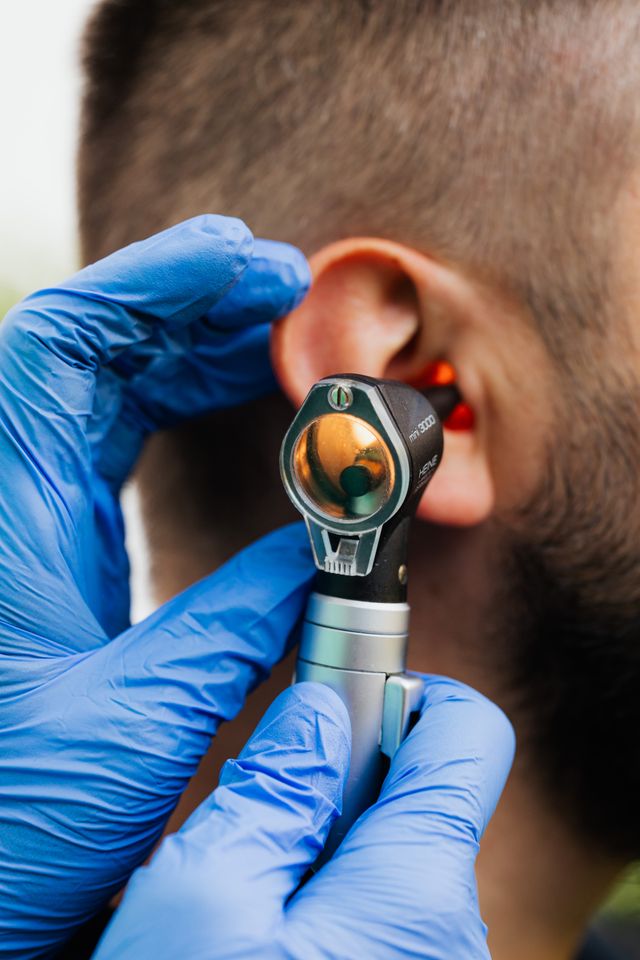
Why Do My Ears Feel Clogged Without Pain? 6 Common Causes


You wake up one morning and notice that sounds seem distant. Your ears feel full, as if water is trapped inside, but nothing hurts. You swallow, yawn, and try to clear them, yet the blocked feeling remains.
Clogged ears without pain are common. They can happen when earwax blocks the ear canal, pressure builds behind the eardrum, or fluid collects in the middle ear. Some causes clear on their own, while others need medical attention.
Here are six common reasons your ears may feel clogged without pain.
6 Common Causes of Clogged Ears Without Pain
1. Earwax Buildup
Earwax protects the ear canal by trapping dirt and other particles. Your ears usually remove old wax naturally. However, wax can sometimes build up and block the ear canal.
You may notice muffled hearing, itching, or a feeling of fullness. For example, someone who regularly uses cotton buds may push wax deeper into the ear. This can make clogged ears worse rather than clear them.
2. Eustachian Tube Dysfunction
The Eustachian tubes connect your middle ears to the back of your nose. They help balance air pressure and allow fluid to drain. When these tubes become swollen or blocked, your ears may feel full or plugged.
You may also hear popping sounds or notice that your voice sounds different. This often happens during a cold or after a flight. For more information, read Ear Pressure Without Infection: Causes, Relief, and When to Worry.
3. Allergies
Allergies can cause swelling inside your nose and around the openings of your Eustachian tubes. This swelling can prevent normal pressure balance in your ears.
For example, you may notice clogged ears during pollen season or after exposure to dust. Other symptoms may include sneezing, a runny nose, and itchy eyes. Treating the allergy may help reduce the ear blockage.
4. Fluid Behind the Eardrum
Fluid can collect in the middle ear without causing an active infection. Doctors call this condition otitis media with effusion. It can happen when the Eustachian tube does not drain fluid properly.
The fluid may make sounds seem dull or distant. Children may turn up the television or struggle to hear their teachers. Adults may notice the same problem during conversations or phone calls.
5. Changes in Air Pressure
Air pressure changes can affect your ears during flights, mountain travel, or scuba diving. Your Eustachian tubes may struggle to balance pressure between your middle ear and the surrounding air.
This can make your ears feel blocked, especially during takeoff or landing. Swallowing, yawning, or chewing gum may help. Avoid forcing your ears to pop because this can cause injury.
6. Hearing Loss
Sometimes, what feels like clogged ears is actually a change in hearing. Hearing loss can develop gradually and may affect one or both ears. You might notice that people sound distant or that you struggle to follow conversations in noisy places.
If your hearing has changed, do not assume earwax is responsible. A hearing test can help identify the cause. Persistent ringing may also occur alongside hearing changes. Our guide to Tinnitus: Causes, Symptoms, and Treatment explains other symptoms that can affect your ears.
Can Sinus Problems Cause Clogged Ears?
Yes. Sinus congestion can cause swelling around the Eustachian tube openings. This can interfere with pressure balance and make your ears feel blocked.
You may also have a stuffy nose, facial pressure, a headache, or thick nasal drainage. These symptoms can happen during a cold or allergy flare. Learn more in our guide to Sudden Sinus Congestion: Why It Happens and What Helps Fast.
How Can You Safely Relieve Clogged Ears?
The right approach depends on what is causing the blockage. If pressure changes or a cold are responsible, try swallowing, yawning, or chewing sugar-free gum. These actions may help your Eustachian tubes open.
If you suspect earwax, ask a pharmacist or healthcare professional about safe removal. Do not insert cotton buds, fingers, or other objects into your ear. They can push wax deeper or damage the eardrum.
Avoid putting oil or other liquids into your ears unless a healthcare professional advises you. This is especially important if you have ear discharge, a damaged eardrum, or a history of ear surgery.
When Should You See a Doctor?
See a healthcare professional if clogged ears last more than a few days, keep returning, or affect your hearing. You may need an ear examination or a hearing test to identify the cause.
Seek urgent medical attention if your hearing suddenly becomes reduced in one or both ears. Sudden hearing loss can feel like a blocked ear, even without pain. It needs prompt assessment, ideally within 24 hours.
Also seek medical advice if you develop dizziness, ear discharge, fever, or new ringing in your ears.
Bottom Line
Clogged ears without pain can result from earwax, allergies, pressure changes, fluid buildup, or hearing loss. The feeling does not always mean something is blocking your ear canal. Avoid inserting objects into your ears, and get checked if the problem persists or affects your hearing.
Frequently Asked Questions
Can clogged ears clear on their own?
Yes. Blockage caused by a cold or pressure changes often improves as swelling settles. Earwax buildup or persistent fluid may need treatment.
Why does one ear feel clogged but not the other?
Wax buildup, fluid, or Eustachian tube problems can affect only one ear. A hearing change can also affect one side. Get sudden or unexplained hearing loss checked promptly.
Can stress cause clogged ears?
Stress does not usually block the ear canal. However, it can make some people more aware of sensations such as pressure or ringing. Persistent symptoms still need proper assessment.
Should I use cotton buds to unblock my ears?
No. Cotton buds can push earwax deeper and injure the ear canal or eardrum. Ask a healthcare professional about safer ways to remove wax.