




Can Daily Meditation Help Lower Blood Pressure? A Science-Backed Guide


High blood pressure, or hypertension, is often called the "silent killer." It affects millions of people worldwide and significantly increases the risk of heart disease and stroke. While medication is the primary treatment for many, there is a growing interest in natural, holistic approaches to manage cardiovascular health. Among these, meditation has gained significant attention. But can sitting in silence for a few minutes a day really have a tangible impact on your blood pressure readings?
The short answer is yes. Emerging research suggests that a consistent meditation practice can be a powerful tool in the fight against hypertension. This article explores the science behind meditation and blood pressure, the techniques that work best, and how you can incorporate this practice into your daily routine for a healthier heart.
The Connection Between Stress and Blood Pressure
To understand how meditation helps, we must first look at why blood pressure rises. When you are stressed, your body enters a "fight or flight" mode. This triggers the release of hormones like cortisol and adrenaline, which cause your heart to beat faster and your blood vessels to narrow. While this response is helpful in a genuine emergency, chronic stress keeps your body in a permanent state of high alert, leading to sustained high blood pressure.
Meditation acts as the antidote to this stress response. Meditation triggers the parasympathetic nervous system, also known as the "rest and digest" response, to counteract the physical damage caused by stress. As stated by the American Heart Association, while meditation shouldn't replace traditional therapy, it can be a beneficial adjunct treatment for reducing cardiovascular risk.
What the Science Says
Scientific studies have increasingly validated the benefits of meditation on heart health. A review of randomized clinical trials published in JAMA Internal Medicine found that mindfulness meditation programs had moderate evidence of improving anxiety and depression, which are often linked to hypertension. Furthermore, these programs showed small but significant reductions in blood pressure.
Research suggests that consistent meditation can lower systolic blood pressure (the top number) by an average of 4 to 5 mmHg and diastolic pressure (the bottom number) by 3 to 4 mmHg. While this might seem modest, a reduction of even 5 mmHg can decrease the risk of stroke by nearly 14% and the risk of heart disease by about 9%.
Best Meditation Techniques for Lowering Blood Pressure
Not all meditation is created equal. When it comes to cardiovascular health, specific techniques tend to yield better results:
1. Mindfulness-Based Stress Reduction (MBSR)
Developed by Dr. Jon Kabat-Zinn, MBSR involves focusing on the present moment without judgment. By observing your thoughts and feelings objectively, you reduce the emotional reactivity that often triggers stress spikes. This practice teaches you to recognize tension in the body and release it before it affects your heart rate.
2. Transcendental Meditation (TM)
TM is a specific form of silent mantra meditation. It has been extensively studied for its effects on blood pressure. The National Center for Complementary and Integrative Health notes that TM has shown promise in reducing both systolic and diastolic blood pressure, potentially more than other relaxation techniques or health education alone.
3. Guided Imagery and Body Scanning
This involves visualizing peaceful scenes or mentally scanning your body for areas of tension and consciously relaxing them. This technique directly targets the physical manifestation of stress, relaxing tight muscles and dilating blood vessels, which eases the pressure on arterial walls.
How Meditation Works
How does the act of sitting and breathing translate to lower blood pressure? It comes down to biology.
- Nitric Oxide Production: Some studies suggest that meditation may boost the production of nitric oxide, a molecule that signals blood vessels to relax and open up (vasodilation), improving blood flow.
- Reduced Nerve Activity: Meditation decreases activity in the sympathetic nervous system, which controls the body’s stress response. Less sympathetic firing means the heart beats with less force.
- Improved Heart Rate Variability (HRV): A higher HRV indicates a body that is adaptable to stress. Meditation is known to improve HRV, suggesting a more resilient cardiovascular system.
How to Start a Daily Meditation Practice
You don't need to be a monk or spend hours on a cushion to reap the benefits. Here is a simple guide to starting a daily meditation practice for heart health:
- Start small: dedicate 10 to 15 minutes daily to build resilience. Consistency is more important than duration.
- Find a Quiet Space: Choose a spot where you won't be disturbed. Turn off your phone to minimize distractions.
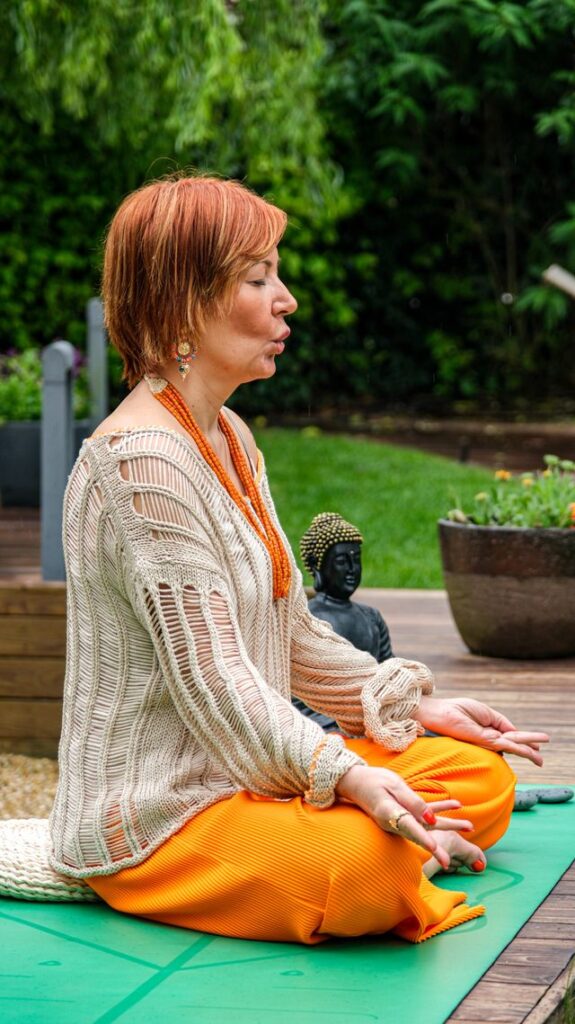
- Focus on Your Breath: Close your eyes and take slow, deep breaths. Employ a 4-4-6 breathing pattern to trigger your vagus nerve's soothing response: breathe in through your nose for four seconds, hold for four seconds, and exhale through your mouth for six seconds
- Use a Timer: Set a timer so you aren't constantly checking the clock.
- Be Patient: Your mind will wander. When it does, gently bring your attention back to your breath without judging yourself.
Important Considerations and Safety
While meditation is generally safe for everyone, it is crucial to view it as a complementary therapy, not a replacement for medical treatment. Never stop taking prescribed blood pressure medication without consulting your doctor.
If you have severe hypertension, meditation can help manage the condition, but it works best when combined with a healthy diet (like the DASH diet), regular exercise, and weight management. Always consult with your healthcare provider before making significant changes to your health regimen.
Conclusion
The question "Can daily meditation help lower blood pressure?" is answered with a resounding yes, backed by both ancient wisdom and modern science. By quieting the mind, we can relax the body and heal the heart. Incorporating just 10 minutes of mindfulness into your day can reduce stress hormones, relax blood vessels, and improve your overall cardiovascular profile.
In a world full of pressure, taking a moment to sit in silence might be the most proactive step you can take for your heart. Start today, breathe deep, and let your body find its natural balance.
Frequently Asked Questions
How can soon can I expect changes in my blood pressure readings?
While some people feel calmer immediately, physiological changes in blood pressure usually require consistency. Most studies suggest that practicing meditation for 8 to 12 weeks is necessary to see measurable reductions in systolic and diastolic readings.
Which meditation is best for high blood pressure?
While various techniques are beneficial, Transcendental Meditation (TM) and Mindfulness-Based Stress Reduction (MBSR) have the most scientific backing regarding hypertension. However, the "best" technique is ultimately the one you can stick with consistently.
Can I replace my blood pressure medication with meditation?
No. You should never stop taking prescribed medication without a doctor's supervision. Meditation is a complementary lifestyle change that can help manage the condition and may eventually allow your doctor to adjust your dosage, but it is rarely a standalone cure for clinical hypertension.
Is deep breathing the same as meditation?
Deep breathing is often a part of meditation, but they are not identical. Meditation involves a broader state of focused awareness and mental stillness, whereas deep breathing is a specific physiological technique to induce relaxation. Both are beneficial for blood pressure.
How much do I need to meditate to see results?
Start with 10 to 15 minutes daily. Research indicates that frequency is more important than duration. Meditating for a short time every day is far more effective for blood pressure control than meditating for an hour once a week.
