




Ebola Outbreak in DRC Surpasses 10,000 Cases and Crosses Borders Fast


The Ebola outbreak in the Democratic Republic of Congo has passed 10,000 confirmed cases, with thousands of people dead. The disease has also spread beyond the country, raising concerns across Africa.
According to Reuters, authorities reported 10,060 confirmed infections and 4,887 deaths by October 27, 2026. This is the largest Ebola outbreak recorded in the country's history and the second largest worldwide.
The outbreak began in May 2026. It has affected eight provinces, placing heavy pressure on hospitals, families, and health workers.
Why Is the Ebola Outbreak Spreading So Quickly?
The outbreak involves the Bundibugyo virus, a less common type of Ebola virus. There is currently no approved vaccine specifically for this virus.
The World Health Organization (WHO) has reported ongoing transmission across several provinces. Conflict, poor access to healthcare, and difficulties tracking infected people make the response harder.
For example, someone may develop symptoms at home without knowing they have Ebola. If they cannot reach a treatment centre quickly, family members and caregivers may become exposed.
The outbreak has also affected children. Save the Children reported that more than 2,700 children had been infected, ABC News reported.
Ebola Has Crossed Borders Into Other Countries
The Ebola outbreak in the Democratic Republic of Congo is no longer limited to one country.
Kenya reported cases linked to a traveller who arrived from the DRC through Uganda. Nigeria has also reported an imported case linked to the wider outbreak.
Kenyan authorities have traced close contacts and placed exposed people under monitoring or quarantine. These steps help healthcare teams identify potential infections before they spread further.
Consider a healthcare worker who cared for an infected patient before the diagnosis was confirmed. Health teams may need to monitor that worker for symptoms and test them if necessary.
The WHO has stressed the importance of cooperation between countries, including contact tracing, surveillance, and early diagnosis. Its October 23 update documented the spread of the outbreak into Kenya and Nigeria.
Health Workers Face Danger While Fighting Ebola
Healthcare workers are risking their lives to contain the outbreak.
ABC News reported that a nurse was killed and another health worker injured while responding to an Ebola alert in the DRC's Tshopo province.
The attack highlights the dangers faced by people delivering emergency care. Violence can prevent health teams from reaching communities and treating patients safely.
Misinformation and fear can also make outbreak control harder. Some people may avoid treatment or refuse to cooperate with health workers if they distrust the response.
Communities need clear information about the disease and access to safe, respectful healthcare. Protecting health workers is also essential to controlling transmission.
What Are the Symptoms of Ebola?
Ebola can cause serious illness. Early symptoms may resemble other infections, making prompt medical assessment important.
Common symptoms include:
- Fever
- Severe headache
- Muscle pain and weakness
- Extreme tiredness
- Vomiting and diarrhoea
- Stomach pain
Some patients may develop unexplained bleeding, although this does not happen in every case.
Ebola spreads through direct contact with the blood or other body fluids of an infected person who has symptoms. Contaminated objects and the bodies of people who have died from Ebola can also spread the virus.
Anyone who may have been exposed should contact local health authorities promptly and follow their instructions. They should avoid close contact with others while awaiting guidance.
How Can Countries Help Stop the Outbreak?
Health authorities need to quickly identify cases, isolate patients, and trace people who may have been exposed.
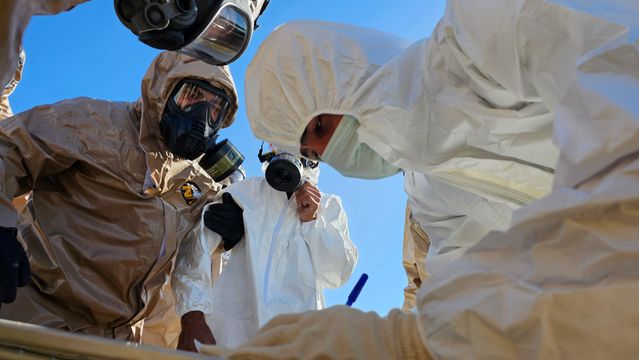
Hospitals also need protective equipment, trained staff, and supplies to care for patients safely. Public health teams must work with local communities to explain how the disease spreads.
For ordinary people, following official health advice is important. Anyone contacted by health officials should cooperate with monitoring and testing instructions.
The Ebola outbreak in the Democratic Republic of Congo shows why countries must work together during public health emergencies. Infection can cross borders through travel, making early detection and cooperation essential.
The Bottom Line
The Ebola outbreak in the Democratic Republic of Congo has passed 10,000 confirmed cases and caused thousands of deaths. Its cross-border spread has increased pressure on health authorities.
Finding cases early, protecting healthcare workers, and building community trust will be essential to controlling the outbreak. Countries must continue to share information and coordinate their responses to save lives.
Frequently Asked Questions
Is the Ebola outbreak contained?
No. The outbreak continues in the DRC, and cases linked to it have been reported in other countries. Health authorities are working to limit further spread.
Is there a vaccine for this type of Ebola?
There is currently no approved vaccine specifically for Bundibugyo virus disease. Vaccines developed for other types of Ebola should not be assumed to protect against it.
Can Ebola be treated?
There is no specific approved treatment that cures Bundibugyo virus disease. Supportive medical care can help manage symptoms and complications. Early medical attention is important.