




Cesarean Section: How Does It Compare to Vaginal Delivery?


Giving birth is a major life event. Some women give birth through the vagina, while others need surgery called a cesarean section, or C-section.
Both methods can lead to the birth of a healthy baby. However, they differ in the possible risks, pain, and recovery time.
Understanding cesarean section vs vaginal delivery can help you discuss your birth options with your healthcare provider. The safest choice depends on your health, your baby's condition, and how your pregnancy progresses.
What Is the Difference Between a Cesarean Section and Vaginal Delivery?
A vaginal delivery happens when the baby passes through the vagina during childbirth. Labor usually involves contractions that help the cervix open and move the baby through the birth canal.
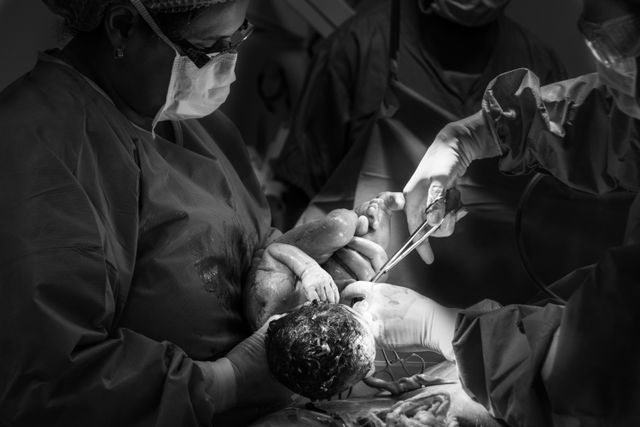
A cesarean section is an operation. A doctor makes cuts in the mother's abdomen and womb to deliver the baby.
According to the NHS, a C-section may be planned or performed during labor when vaginal birth becomes unsafe. Reasons may include a baby in a breech position or a placenta covering the opening of the womb.
Cesarean Section vs Vaginal Delivery: Key Differences
1. Pain during birth
During vaginal delivery, contractions can cause severe pain. Pain relief may include an epidural, other medicines, or breathing and relaxation techniques.
During a C-section, doctors usually use spinal or epidural anesthesia to numb the lower body. The mother may feel pressure or pulling, but should not feel sharp pain during the operation.
According to the American College of Obstetricians and Gynecologists (ACOG), the mother may need pain medicine after surgery as the anesthetic wears off.
2. Recovery time
Recovery is often faster after an uncomplicated vaginal delivery. Some mothers return to many daily activities within days, depending on how they feel.
A C-section requires more healing because it involves surgery. Mothers may need several weeks to recover and may need help with lifting, housework, and caring for their newborn.
The NHS explains that women should take things slowly after a C-section and watch for signs of infection.
For example, a mother recovering from surgery may need someone to carry heavy shopping or help with housework during the first few weeks.
However, vaginal birth can also require a longer recovery, especially after severe tears or other complications.
3. Risks to the mother
Both methods carry risks, but the risks differ.
Vaginal delivery may cause:
- Tears around the vagina or the area between the vagina and anus.
- Pelvic floor problems, including urine leakage.
- The need for an emergency C-section if labor becomes unsafe.
A C-section may cause:
- Wound infections or heavy bleeding.
- Blood clots.
- Injury to nearby organs, such as the bladder.
- Problems linked to the surgical scar in future pregnancies.
According to ACOG, a C-section is a major surgery and can cause infection, blood loss, or blood clots. It can also increase the risk of certain problems in future pregnancies.
However, a C-section may be the safest option when vaginal birth presents greater risks.
4. Risks to the baby
Most babies do well with either method when care is appropriate.
The NHS reports that some babies born by C-section experience temporary breathing difficulties. This is more common when the operation takes place 39 weeks before pregnancy.
Vaginal birth can also involve difficulties during labor. For example, if monitoring shows that the baby may not be getting enough oxygen, an emergency C-section may be needed.
5. Future pregnancies
A previous C-section does not always mean that a woman needs another one.
According to ACOG's guidance on vaginal birth after cesarean, some women can safely have a vaginal birth after a previous C-section. This is called VBAC.
The decision depends on factors such as the type of previous uterine cut, the number of previous C-sections, and the mother's current health.
Which Is Better: Cesarean Section or Vaginal Delivery?
There is no single answer for every pregnancy.
For many women with uncomplicated pregnancies, vaginal delivery is usually preferred because it avoids major surgery and often allows faster recovery.
However, a C-section may be the safest option when the mother or baby faces certain risks. Examples include some cases of placenta covering the cervix, a baby in a difficult position, or signs that the baby needs to be delivered quickly.
Some women may also request a planned C-section after discussing the benefits, risks, and alternatives with their healthcare provider.
The goal is not to choose the method that seems easiest. It is to choose the safest option for the mother and baby in their specific circumstances.
The Bottom Line
Understanding cesarean section vs vaginal delivery can help you prepare for childbirth and ask informed questions.
Vaginal delivery often allows faster recovery, while a C-section may be necessary to protect the mother or baby. Both methods have benefits and risks.
Discuss your health, concerns, and birth preferences with a qualified healthcare professional. The best birth plan is one that puts your safety and your baby's well-being first.
Frequently Asked Questions
- Is a C-section safer than vaginal delivery?
It depends on the pregnancy. Vaginal delivery usually avoids surgical risks, but a C-section can be lifesaving when complications make vaginal birth unsafe.
- How long does it take to recover from a C-section?
Many women need several weeks to recover physically. Healing time varies, and some women need longer. Seek medical help for fever, worsening wound pain, heavy bleeding, or breathing problems.
- Can I have a vaginal delivery after a C-section?
Yes, some women can. A healthcare provider can assess whether VBAC is a safe option based on the previous surgery and the current pregnancy.
- Can I breastfeed after a C-section?
Yes. Many mothers can begin breastfeeding soon after surgery. Help with positioning may make feeding more comfortable while the wound heals.