




Heart Palpitations at Night: Causes, Symptoms, and When to Worry


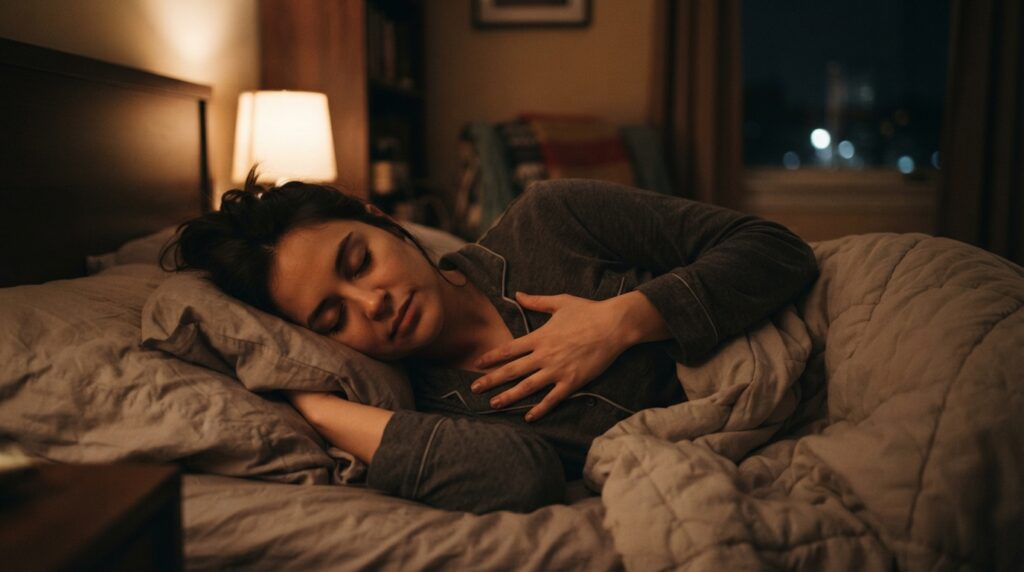
Feeling your heart suddenly race, pound, flutter, or skip beats while lying in bed can be alarming. Many people notice their heartbeat more at night because there are fewer distractions and the body is usually quiet. While occasional episodes are often harmless, repeated or severe symptoms may need medical evaluation. Understanding the heart palpitations at night causes can help you identify possible triggers and know when to seek care.
Nighttime palpitations can happen because of stress, caffeine, dehydration, hormonal changes, sleep problems, or changes in heart rhythm. For example, some people notice unusual heartbeat sensations after meals, and understanding why your heart races after eating can help identify possible triggers related to digestion, blood flow, or metabolism.
What Are Heart Palpitations?
Heart palpitations are sensations that make you feel like your heart is beating differently than usual.
You may feel:
- A racing heartbeat
- A pounding sensation
- Fluttering in the chest
- Skipped beats
- Extra beats
- A feeling that your heart is “flip-flopping”
Palpitations can occur during activity or rest. Some people notice them more when lying down because there are fewer outside sounds and movements competing for attention.
A sensation of palpitations does not always mean there is a dangerous heart problem. Many temporary factors can influence heartbeat awareness.
Why Do Heart Palpitations Happen More at Night?
Many people notice palpitations when they are trying to sleep because:
- The body is resting and quieter
- You may become more aware of internal sensations
- Lying down can make heartbeat sensations easier to notice
- Stress from the day may become more noticeable at bedtime
However, nighttime episodes can also be linked to specific health and lifestyle factors.
Common Heart Palpitations at Night Causes
1. Stress and Anxiety
Stress is one of the most common reasons people experience nighttime heart palpitations.
When the body feels threatened or stressed, it releases hormones such as adrenaline. These hormones can increase:
- Heart rate
- Alertness
- Muscle tension
Some people notice palpitations when they are lying in bed thinking about worries, responsibilities, or stressful events.
Anxiety-related palpitations may occur even when you are physically resting.
2. Caffeine and Stimulants
Caffeine can stimulate the nervous system and may trigger palpitations in some people.
Common sources include:
- Coffee
- Energy drinks
- Tea
- Pre-workout supplements
- Some medications
The effects of caffeine can last for several hours, meaning afternoon or evening consumption may contribute to nighttime symptoms.
If you frequently experience palpitations after consuming stimulants, reducing intake may help identify whether caffeine is a trigger.
3. Alcohol Consumption
Alcohol can affect heart rhythm and sleep quality.
Some people experience palpitations after drinking because alcohol may:
- Increase heart rate
- Disrupt sleep patterns
- Affect hydration
- Influence nervous system activity
Episodes may occur several hours after drinking rather than immediately.
4. Dehydration
Low fluid levels can affect circulation and may contribute to a faster heartbeat.
Dehydration may cause:
- Increased heart rate
- Dizziness
- Fatigue
- Dry mouth
Fluid loss can also affect mineral balance. Understanding electrolyte imbalance symptoms can help explain how changes in minerals such as potassium, magnesium, and sodium may influence muscle and heart function.
5. Hormonal Changes
Hormones can influence heart rate and the nervous system.
Some people notice more palpitations during:
- Menopause
- Perimenopause
- Menstrual cycle changes
- Pregnancy
- Periods of increased stress
Hormonal fluctuations may affect how strongly a person feels their heartbeat.
6. Low Blood Sugar
Blood sugar changes can sometimes trigger symptoms that feel like palpitations.
When blood glucose drops, the body may release stress hormones to increase available energy.
Possible symptoms may include:
- Shaking
- Sweating
- Hunger
- Weakness
- Fast heartbeat
People with diabetes or those taking blood sugar-lowering medications should discuss repeated episodes with a healthcare professional.
7. Sleep Apnea
Sleep apnea can contribute to nighttime heart sensations.
During sleep apnea episodes, breathing repeatedly becomes interrupted. These events can activate the body's stress response and affect heart rate.
Possible signs include:
- Loud snoring
- Waking up gasping
- Morning headaches
- Daytime fatigue
- Poor concentration
Understanding sleep apnea symptoms in women can be useful because symptoms may sometimes appear differently than expected.
People with suspected sleep apnea should seek medical evaluation.
8. Thyroid Problems
The thyroid gland helps regulate metabolism and many body functions.
An overactive thyroid (hyperthyroidism) can contribute to:
- Fast heartbeat
- Palpitations
- Nervousness
- Sweating
- Weight changes
- Sleep difficulties
Blood tests can help determine whether thyroid hormone levels are abnormal.
9. Heart Rhythm Conditions
Sometimes palpitations are caused by changes in the heart's electrical system.
Possible rhythm-related causes include:
- Premature atrial contractions (PACs)
- Premature ventricular contractions (PVCs)
- Atrial fibrillation
- Other arrhythmias
Some rhythm changes are harmless, while others require evaluation.
Learning about signs of atrial fibrillation can help you understand symptoms associated with one type of irregular heart rhythm.
10. Medications and Supplements
Certain substances may affect heart rhythm.
Examples include:
- Some asthma medications
- Decongestants
- Thyroid medications
- Stimulant medications
- Some supplements
If palpitations begin after starting a new medication or supplement, discuss it with your healthcare provider.
Do not stop prescribed medications without medical advice.
Can Lying Down Cause Heart Palpitations?
Lying down does not usually cause dangerous palpitations, but it can make them easier to notice.
When you lie quietly, you may become more aware of:
- Heartbeat sensations
- Chest movements
- Minor rhythm changes
Some people also notice stronger sensations when lying on their left side because the heart is closer to the chest wall in that position.
How Are Nighttime Palpitations Diagnosed?
A healthcare professional may ask about:
- When symptoms occur
- How long they last
- What the heartbeat feels like
- Triggers such as caffeine or stress
- Other symptoms
Possible tests may include:
- Electrocardiogram (ECG)
- Blood tests
- Holter monitor
- Event monitor
- Echocardiogram
A symptom diary can be helpful. Record:
- Time of episode
- Duration
- Food and drinks consumed
- Activity before symptoms
- Stress levels
How Can You Reduce Heart Palpitations at Night?
Helpful strategies may include:
Improve Sleep Habits
Maintain a regular sleep schedule and create a relaxing bedtime routine.
Limit Evening Stimulants
Avoid excessive caffeine, nicotine, and stimulating supplements later in the day.
Stay Hydrated
Drink enough fluids throughout the day, especially if you exercise or sweat heavily.
Manage Stress
Relaxation techniques may include:
- Deep breathing
- Meditation
- Gentle stretching
- Mindfulness exercises
Track Your Triggers
Identifying patterns can help determine what contributes to episodes.
Can Heart Rate Variability Be Related to Palpitations?
Heart rate variability (HRV) measures changes in the timing between heartbeats.
HRV is influenced by:
- Sleep
- Stress
- Exercise
- Recovery
- Nervous system activity
While HRV can provide information about heart patterns, it does not diagnose heart rhythm problems. Learning how to improve heart rate variability may support overall cardiovascular wellness but should not replace medical evaluation for concerning symptoms.
When Should You See a Doctor?
Schedule a medical appointment if you experience:
- Frequent nighttime palpitations
- Episodes that are becoming worse
- Palpitations lasting several minutes or longer
- Dizziness
- Shortness of breath
- Unexplained fatigue
- A history of heart disease
Medical evaluation can help determine whether symptoms are related to lifestyle factors or an underlying condition.
When Are Heart Palpitations an Emergency?
Seek emergency medical care if palpitations occur with:
- Chest pain
- Severe shortness of breath
- Fainting
- Severe dizziness
- Confusion
- Weakness on one side of the body
- A very rapid or irregular heartbeat that does not stop
These symptoms may require urgent assessment.
Conclusion
The heart palpitations at night causes can include stress, caffeine, dehydration, hormonal changes, sleep apnea, low blood sugar, thyroid problems, medications, and heart rhythm conditions. Many episodes are temporary and harmless, but frequent or severe palpitations should not be ignored.
Tracking when symptoms occur and identifying possible triggers can help you understand patterns. Supporting overall heart health through good sleep, hydration, stress management, and healthy habits may reduce some episodes. If palpitations occur with other symptoms, understanding signs of atrial fibrillation can help you recognize when further evaluation may be needed.
A healthcare professional can determine whether your nighttime palpitations are related to lifestyle factors or require additional testing.
Frequently Asked Questions
Why Do I Feel My Heart Racing at Night?
You may notice your heartbeat more at night because your body is quiet and there are fewer distractions. Stress, caffeine, dehydration, hormones, and heart rhythm changes can also contribute.
Are Heart Palpitations at Night Dangerous?
Not always. Many nighttime palpitations are harmless, but symptoms such as chest pain, fainting, severe dizziness, or breathing difficulty require medical attention.
Can Anxiety Cause Heart Palpitations at Night?
Yes. Anxiety activates stress hormones that can increase heart rate and make heartbeat sensations more noticeable.
Can Dehydration Cause Nighttime Palpitations?
Yes. Dehydration can affect circulation and electrolyte balance, which may contribute to a faster heartbeat.
Can Sleep Apnea Cause Heart Palpitations?
Yes. Sleep apnea can trigger stress responses during breathing interruptions and may affect heart rhythm.
Why Do I Get Palpitations When Lying Down?
Lying quietly can make you more aware of normal heartbeat changes. Some people also notice stronger sensations depending on their sleeping position.
Should I Check My Heart Rate During Palpitations?
Checking your pulse can provide useful information, but it cannot diagnose the cause. A healthcare professional may recommend monitoring if episodes continue.
When Should I Worry About Nighttime Heart Palpitations?
Seek medical advice if palpitations are frequent, worsening, last a long time, or occur with chest pain, fainting, shortness of breath, or neurological symptoms.
