




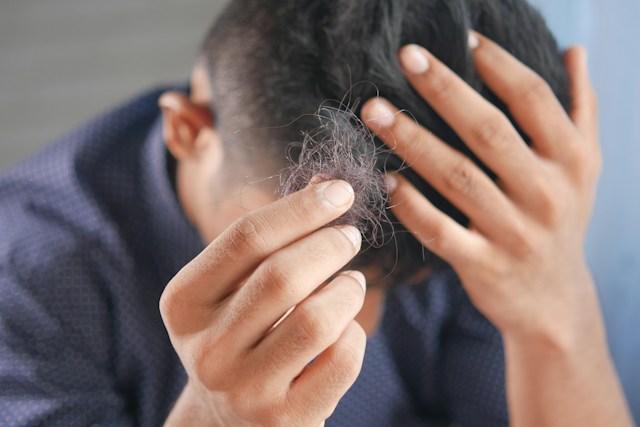
Can Wearing a Hat Really Cause Hair Loss?


The relationship between hat-wearing and hair loss raises considerable concern among individuals experiencing thinning hair, yet scientific evidence does not clarify whether hats actually cause hair loss. Understanding the mechanisms linking hats to potential hair loss helps individuals distinguish genuine hair-loss risk from unfounded concerns. Most people attribute unexplained hair loss to visible causes like hat-wearing, overlooking the genuine hair loss causes underlying their condition. This comprehensive guide examines the evidence regarding hats and hair loss, explains what actually causes hair loss, and clarifies when hat-wearing truly poses hair loss risk.
Do Hats Actually Cause Hair Loss?
The short answer is that regular hat-wearing does not cause permanent hair loss in most people. However, certain conditions, primarily tight hats and traction-based hair loss, can trigger hair loss under specific circumstances. Understanding the difference between temporary hair loss from hat friction and genuine medical hair loss patterns is essential for proper assessment.
How Hats Might Cause Hair Loss
Traction Alopecia
Wearing excessively tight hats can cause traction alopecia, hair loss resulting from prolonged tension on hair follicles. This form of hair loss occurs when consistent pulling force damages hair roots, typically affecting areas where hat bands or brims apply continuous pressure. Traction alopecia represents one of the few hat-related hair loss conditions with actual scientific support. However, temporary hair loss from hat friction differs from permanent traction alopecia, which requires sustained, intense tension over extended periods.
Hat-Related Hair Breakage
Hats sometimes cause hair breakage rather than hair loss at the root. Friction between hat fabric and hair shafts creates breakage, particularly in individuals with curly or textured hair. This breakage-induced hair loss differs from true hair loss: breakage affects hair strands, whereas hair loss involves damage to hair follicles.
Sweat and Moisture
Wearing hats traps sweat and moisture against the scalp, potentially creating fungal or bacterial growth. These scalp infections can trigger temporary hair loss due to inflammation, though it typically resolves once the infection clears. Improved hat hygiene and scalp ventilation prevent this moisture-related hair loss mechanism.
The Myth of Hat-Related Hair Loss
Many people falsely believe that wearing a hat regularly causes hair loss, perpetuating this myth despite limited scientific evidence. Casual hat-wearing, even for extended hours, does not cause meaningful hair loss in people with healthy hair and scalps. The hair loss myth likely persists because people notice increased shedding after removing hats, misinterpreting this as hat-caused hair loss rather than recognizing normal daily hair shedding.
Humans naturally shed 50-100 hairs daily as part of normal hair growth cycles. Removing hats sometimes dislodges hairs that would otherwise fall out naturally, creating the false impression that hats cause hair loss. This normal shedding should not be confused with actual hair loss conditions.
Actual Hair Loss Causes Worth Considering
If you're experiencing genuine hair loss, focus on legitimate hair loss causes rather than hat-wearing. Genetic hair loss, androgenetic alopecia, is the most common cause of hair loss, affecting approximately 50 million men and 30 million women in the United States. This inherited hair loss pattern typically begins with thinning at the crown or hairline and gradually progresses over the years.
Nutritional deficiencies cause significant hair loss when protein, iron, zinc, or vitamin D intake proves inadequate. Stress-induced hair loss, telogen effluvium, occurs when psychological stress pushes hair follicles into resting phases, causing increased shedding. Hormonal imbalances, thyroid dysfunction, and medications frequently trigger hair loss, medical conditions, including alopecia areata, cause hair loss through autoimmune mechanisms.
When Hat-Wearing Could Pose Hair Loss Risk
Extremely tight hats worn for extended periods, particularly in certain professions like construction or military service, might trigger traction alopecia. Additionally, individuals already experiencing hair loss from other causes should choose looser, less restrictive headwear to prevent additional stress on compromised follicles.
People with scalp conditions, including eczema, psoriasis, or fungal infections, should avoid prolonged hat-wearing, as trapped moisture can exacerbate scalp inflammation and potentially worsen hair loss. Ensuring adequate scalp ventilation prevents moisture-related hair loss complications.
Preventing Hat-Related Hair Concerns
Choose hats with a comfortable, non-restrictive fit rather than tight bands that compress scalp blood flow. Prioritize breathable hat materials that allow adequate air circulation and prevent sweat accumulation. Clean hats regularly to prevent bacterial or fungal growth. Remove hats periodically throughout the day to allow the scalp to recover and moisture to evaporate.
If you notice increased hair shedding, examine whether you've recently changed hat styles, increased the duration you wear hats, or begun wearing particularly tight headwear. Temporary shedding typically resolves within weeks after discontinuing tight hat-wearing.
Distinguishing Normal Shedding from Concerning Hair Loss
Monitor whether hair loss involves breakage, short, fractured strands, or loss at the root with visible white bulbs. Root-level hair loss suggests genuine hair loss conditions that require professional evaluation, whereas breakage indicates mechanical damage. Examine your scalp for visible bald patches, progressive thinning, or inflammation, which may suggest medical hair loss rather than hat-related concerns.
Taking Action on Hair Loss Concerns
If you experience progressive hair loss despite wearing loose, comfortable hats, consult a dermatologist for a professional evaluation, document when your hair loss began, how it progresses, and any accompanying scalp symptoms. Healthcare providers can determine whether your hair loss stems from genetic factors, medical conditions, nutritional deficiencies, or genuine hat-related traction alopecia, enabling targeted treatment that addresses the actual causes of hair loss rather than blaming hat-wearing for preventable hair loss.