




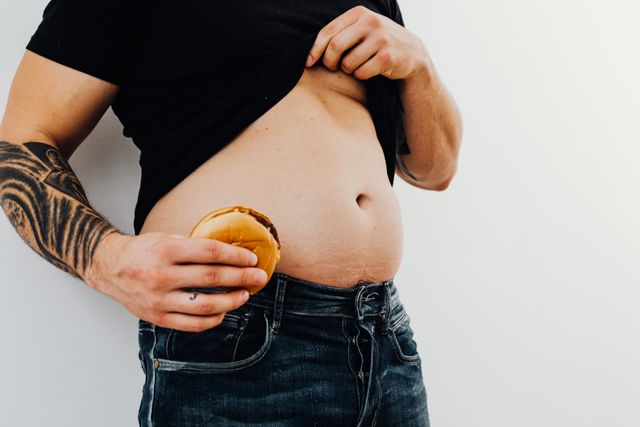
Why Do I Feel Bloated After Eating?


Common Reasons You Feel Bloated After Meals: Understanding Bloating Causes
Post-meal bloating is one of the most common digestive complaints, yet most people overlook straightforward causes that can be easily addressed. Understanding the various causes of bloating enables targeted interventions rather than accepting persistent discomfort as inevitable.
Some causes of bloating are entirely preventable through behavioral modifications, while others indicate underlying digestive conditions that require professional evaluation. This comprehensive guide explores the primary causes of bloating, distinguishes normal from concerning patterns, and reveals practical strategies for preventing uncomfortable post-meal bloating.
What Causes Bloating After Meals?
Bloating occurs when gas accumulates in your digestive tract, creating uncomfortable abdominal distension and fullness. While numerous causes of bloating exist, they fall into several categories: eating behaviors, food choices, digestive disorders, and food sensitivities. Understanding which causes of bloating apply to your situation enables specific dietary and behavioral adjustments to prevent future episodes.
Eating Behaviors That Cause Bloating
Eating Too Quickly
Rapid eating is one of the most common yet overlooked causes of bloating. When you consume food quickly, you swallow excessive air along with meals, a phenomenon called aerophagia, which directly causes post-meal bloating. Furthermore, eating quickly prevents adequate chewing, forcing your digestive system to process large food particles, which requires more time and increases gas production. Slowing the eating pace to 20-30 minutes per meal substantially reduces the bloating-causing related to eating speed.
Inadequate Chewing
Thoroughly chewing each bite prevents bloating caused by incomplete food breakdown. Your saliva contains enzymes that begin digesting food before it reaches your stomach, so insufficient chewing increases the digestive burden and can cause bloating. Most people should aim for 25-30 chews per bite, though individual needs vary.
Overeating
Consuming excessive amounts of food creates physical stomach distension, causing bloating regardless of food type. Your stomach has a limited capacity, and stretching beyond comfortable fullness triggers bloating. Eating until satisfied rather than uncomfortably full prevents this particular bloating-causing category.
Food-Related Bloating Causes
High-Fiber Foods
Fiber-rich foods, including beans, vegetables, and whole grains, promote long-term digestive health, yet they can cause significant bloating when consumed in large quantities without gradual adjustment. Fiber fermentation in your colon produces gas, which can cause bloating, particularly when fiber intake increases suddenly. Introducing high-fiber foods gradually helps prevent bloating caused by fiber shock.
Carbonated Beverages
Fizzy drinks introduce carbon dioxide gas directly into your digestive tract, making them the primary cause of bloating. Even zero-calorie carbonated beverages cause the same bloating due to gas production. Replacing carbonated drinks with still water prevents this easily avoidable bloating-causing category.
Sugar Alcohols
Artificial sweeteners, including sorbitol, xylitol, and maltitol, are major causes of bloating due to poor absorption and fermentation in the colon. Products marketed as "sugar-free" frequently contain these bloating-causing culprits in significant quantities. Reading ingredient labels helps identify whether bloating stems from sweetener consumption.
Digestive Conditions Creating Bloating Causes
Irritable Bowel Syndrome (IBS)
IBS causes bloating through visceral hypersensitivity, heightened sensitivity to normal gas amounts, alongside irregular contractions affecting gas movement. IBS is a common cause of bloating, affecting approximately 10-15% of the population. Medical management and dietary modification effectively address the causes of IBS bloating.
Small Intestinal Bacterial Overgrowth (SIBO)
SIBO occurs when excessive bacteria colonize the small intestine, producing gas from food fermentation and causing severe bloating. SIBO-related bloating warrants professional testing and treatment, as dietary adjustments alone prove insufficient.
Lactose Intolerance
Lactose intolerance causes significant bloating due to undigested lactose fermentation in the colon. Avoiding dairy or using lactase enzyme supplements effectively prevents lactose-related bloating.
Celiac Disease and Gluten Sensitivity
Gluten consumption triggers inflammation and malabsorption in celiac disease, creating bloating and other gastrointestinal symptoms. Non-celiac gluten sensitivity similarly produces bloating in sensitive individuals. Identifying gluten as a bloating-causing culprit requires professional testing.
Additional Bloating Causes
Hormonal fluctuations during menstrual cycles create water retention and bloating in susceptible individuals. Additionally, stress and anxiety alter digestive function, increasing bloating caused by nervous system effects on gut motility. Certain medications and supplements, including iron pills and fiber products, can cause medication-related bloating.
Distinguishing Normal From Concerning Bloating Causes
Occasional post-meal bloating related to obvious bloating causes, such as large meals, carbonated beverages and new foods, typically requires no intervention. However, persistent bloating despite behavioral modifications, bloating accompanied by severe pain, or bloating with altered bowel habits warrants medical evaluation to identify underlying bloating causes.
Practical Strategies Addressing Bloating Causes
Identify Your Specific Bloating Causes
Tracking meals alongside bloating episodes reveals patterns clarifying which specific bloating causes affect you. After identifying the causes of bloating, eliminate suspect foods or behaviors for 2-3 weeks, then reintroduce them gradually and observe whether bloating resumes.
Modify Eating Behaviors
Slowing the eating pace, eating smaller portions, and chewing thoroughly directly address the causes of eating-behavior bloating. These behavioral modifications require no dietary changes yet can profoundly reduce bloating for many individuals.
Choose Gentle Foods Temporarily
Temporarily emphasizing easily digestible foods, such as white rice, cooked vegetables, lean proteins and plain yogurt, gives your digestive system rest while helping identify specific causes of bloating. After bloating resolves, gradually reintroduce foods that previously caused bloating.
Stay Hydrated
Adequate hydration supports digestive function, though timing matters: consuming excessive water immediately before meals can contribute to bloating. Drinking water 30 minutes before or after meals, rather than during eating, prevents this hydration-related bloating.
Taking Action on Bloating Causes
Begin by assessing whether your bloating stems from modifiable eating behaviors or specific foods. Address obvious bloating causes through behavioral changes: eating more slowly, chewing thoroughly and reducing carbonated beverages. If bloating persists despite behavioral modifications for 2-3 weeks, or if bloating accompanies pain or other digestive symptoms, consult healthcare providers to determine whether it is due to underlying digestive conditions requiring professional management.