




How to Improve Heart Rate Variability Naturally


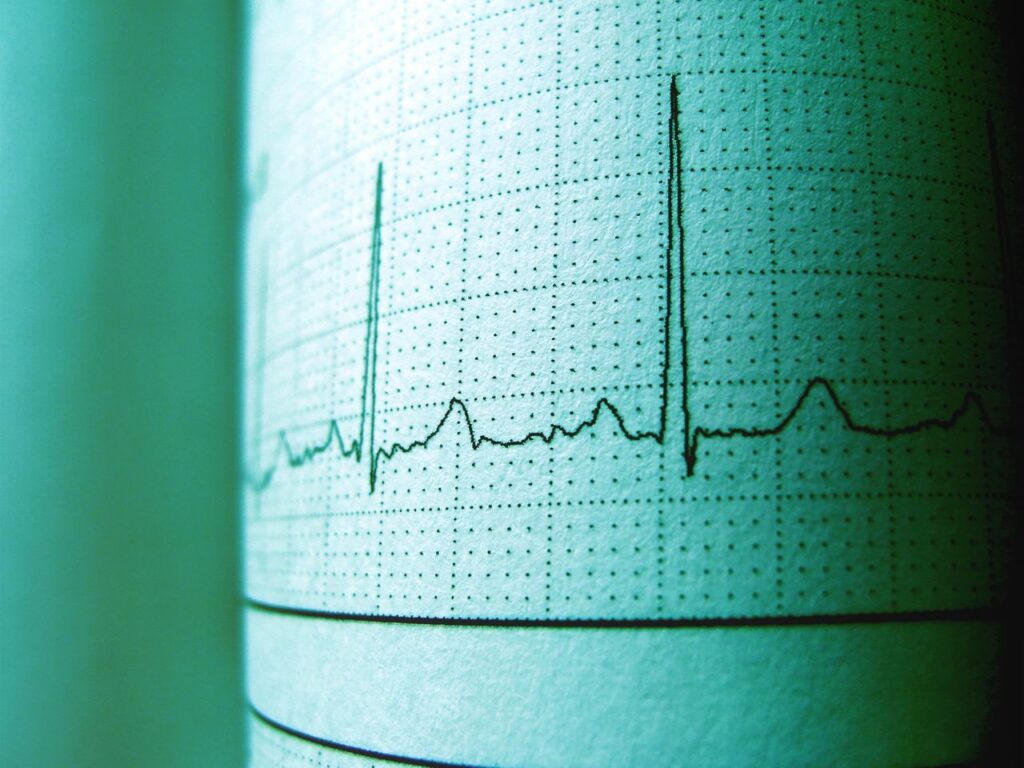
Heart rate variability (HRV) has become a popular health and fitness metric, especially as smartwatches and wearable devices make it easier to track. HRV measures the variation in time between consecutive heartbeats. Rather than beating at perfectly equal intervals, a healthy heart naturally changes its timing from beat to beat.
If you are wondering how to improve heart rate variability, the most useful approach is usually not trying to increase a single number overnight. Instead, focus on habits that support sleep, cardiovascular fitness, recovery, and stress regulation. HRV varies significantly from person to person, so your own long-term trend is often more meaningful than comparing your score with someone else's.
Sleep is particularly important because inadequate recovery can influence autonomic nervous system activity. Understanding sleep debt symptoms may help if declining HRV occurs alongside fatigue, poor concentration, or inadequate sleep.
What Is Heart Rate Variability?
Heart rate variability describes the small changes in the amount of time between individual heartbeats.
For example, a heart rate of 60 beats per minute does not necessarily mean your heart beats exactly once every second. One interval might be slightly shorter and the next slightly longer.
These variations are influenced by the autonomic nervous system, which includes:
- The sympathetic nervous system, associated with alertness and the stress response
- The parasympathetic nervous system, associated with rest, recovery, and digestion
HRV is therefore often used as one indicator of how the body is responding to stress, exercise, sleep, illness, and recovery.
What Is a Good Heart Rate Variability?
There is no single HRV number that is ideal for everyone.
HRV can vary according to:
- Age
- Genetics
- Fitness level
- Sleep
- Stress
- Physical activity
- Illness
- Medications
- Alcohol use
- Measurement method
Different wearable devices may also calculate and report HRV differently.
For this reason, comparing your HRV with another person's number can be misleading. It is generally more useful to establish your usual baseline and monitor changes over time under similar conditions.
How to Improve Heart Rate Variability
Improving HRV generally means improving the factors that influence cardiovascular health, recovery, and autonomic balance.
Here are some practical strategies.
Prioritize Consistent, Quality Sleep
Sleep is one of the most important factors affecting recovery.
Poor sleep, insufficient sleep, and irregular sleep schedules may contribute to lower HRV in some people. Aim for a consistent bedtime and wake-up time while allowing enough opportunity for restorative sleep.
Helpful habits include:
- Keeping your bedroom dark and quiet
- Maintaining a comfortable temperature
- Limiting caffeine later in the day
- Reducing stimulating activities before bed
- Keeping wake-up times relatively consistent
If your sleep schedule has become irregular, learning how to reset your sleep schedule may help you establish a more predictable routine.
Exercise Regularly
Regular physical activity can support cardiovascular fitness and autonomic function.
Aerobic activities may include:
- Brisk walking
- Cycling
- Swimming
- Jogging
- Hiking
Strength training can also be part of a balanced fitness routine.
You do not need to exercise intensely every day. Consistency is generally more sustainable than repeatedly pushing yourself to exhaustion.
If you are currently inactive or have a medical condition, discuss a new exercise program with your healthcare professional.
Allow Enough Recovery Between Workouts
Exercise creates physical stress, and recovery allows your body to adapt.
A temporary reduction in HRV after a demanding workout does not automatically mean something is wrong. Your body may simply be responding to training stress.
Repeatedly performing intense workouts without adequate recovery can contribute to fatigue and poor performance.
Consider balancing harder training sessions with:
- Easy exercise
- Walking
- Rest days
- Adequate sleep
- Appropriate nutrition
Athletes often use HRV trends alongside sleep, soreness, performance, and perceived fatigue when evaluating recovery.
Manage Psychological Stress
Stress activates physiological systems that can influence heart rate and HRV.
You cannot eliminate every source of stress, but regular stress-management practices may support recovery.
Options include:
- Meditation
- Mindfulness
- Spending time outdoors
- Gentle exercise
- Relaxing hobbies
- Social connection
- Slow breathing exercises
Even brief periods of relaxation can be useful when practiced consistently.
If persistent anxiety or stress significantly affects your sleep, work, or daily life, professional support may be appropriate.
Try Slow, Controlled Breathing
Breathing patterns can influence heart rhythm and autonomic activity.
Slow, comfortable breathing may temporarily increase measured HRV in some situations because breathing naturally influences the intervals between heartbeats.
A simple approach is to sit comfortably and breathe slowly without forcing unusually deep breaths.
For example, you can:
- Relax your shoulders.
- Inhale gently through your nose.
- Exhale slowly and comfortably.
- Continue for several minutes.
The goal is relaxation rather than achieving a particular HRV score.
Stop if controlled breathing makes you dizzy or uncomfortable.
Maintain Appropriate Hydration
Hydration supports normal circulation and physical performance.
Fluid loss from sweating, hot weather, vomiting, diarrhea, or strenuous exercise can affect how you feel and may influence heart rate.
Electrolytes also contribute to normal muscle and heart function. Our guide to electrolyte imbalance symptoms explains common warning signs associated with abnormal electrolyte levels.
More water is not always better, however. Excessive fluid intake can also disturb electrolyte balance.
Drink according to your needs, activity, climate, and medical circumstances.
Limit Alcohol
Alcohol can negatively affect sleep quality and overnight recovery.
Even when alcohol initially makes you sleepy, it can disrupt normal sleep later in the night. Some people may also notice changes in resting heart rate and HRV following alcohol consumption.
If you track HRV regularly, you may notice how your own readings respond after drinking.
Reducing alcohol can be a practical experiment if improving sleep and recovery is your goal.
Eat a Balanced Diet
There is no single food proven to instantly produce an ideal HRV.
Instead, focus on an overall eating pattern that supports cardiovascular and metabolic health.
A balanced diet can emphasize:
- Vegetables
- Fruits
- Whole grains
- Legumes
- Nuts and seeds
- Appropriate protein sources
- Unsaturated fats
Adequate nutrition is particularly important if you exercise frequently because insufficient calorie or nutrient intake can interfere with recovery.
Avoid relying on supplements marketed specifically as HRV boosters unless your healthcare provider recommends them for another medical reason.
Avoid Overtraining
More exercise does not always produce better recovery.
Excessive training without sufficient rest may be associated with persistent fatigue, declining performance, sleep problems, and changes in resting heart rate or HRV.
If your HRV drops after a difficult training session but returns toward your usual level after recovery, that may simply reflect a normal response to physical stress.
A persistent change combined with poor performance, unusual fatigue, illness, or other symptoms deserves more attention.
Monitor Your Resting Heart Rate Too
HRV should not be viewed in isolation.
Looking at HRV alongside resting heart rate, sleep quality, exercise load, and how you feel can provide more useful context.
For example, a temporary HRV decrease alongside an increased resting heart rate and poor sleep may indicate that your body is under greater-than-usual stress.
However, wearable measurements cannot determine the exact cause.
If you experience unexplained episodes of rapid heartbeat, our guide on why your heart races after eating discusses several potential triggers associated specifically with meals.
Measure HRV Consistently
If you want meaningful HRV trends, consistency matters.
Try to compare readings collected:
- With the same device
- At approximately the same time
- Under similar conditions
- Over weeks rather than individual days
Wearable devices differ in how and when they calculate HRV. Some measure overnight, while others provide readings during specific periods.
A single low reading is usually less informative than a persistent change from your established baseline.
Why Is My HRV Suddenly Low?
Short-term HRV changes can occur for many reasons.
Possible influences include:
- Poor sleep
- Psychological stress
- Hard exercise
- Alcohol
- Illness
- Travel
- Changes in routine
- Certain medications
Rather than reacting immediately to one unusual number, look at the broader pattern.
Ask yourself whether you slept poorly, exercised harder than usual, became sick, drank alcohol, traveled, or experienced unusual stress.
Does a Low HRV Mean You Have Heart Disease?
Not necessarily.
HRV can provide useful physiological information, but a consumer wearable's HRV measurement is not a stand-alone diagnostic test for heart disease.
People naturally have different HRV baselines. Age, fitness, medications, measurement technique, and numerous other factors influence the number.
Similarly, achieving a higher HRV does not guarantee that your heart is healthy.
If you are concerned about cardiovascular health, discuss appropriate medical evaluation with a healthcare professional rather than relying solely on wearable data.
How Long Does It Take to Improve HRV?
There is no universal timeline.
Some factors can influence HRV quickly. A night of poor sleep, alcohol consumption, illness, or a demanding workout may affect short-term readings.
Long-term changes associated with improved cardiovascular fitness, better sleep habits, and stress management generally require consistency.
Instead of trying to increase HRV every day, focus on trends across several weeks or months.
When Should You See a Doctor?
An unusual HRV number by itself is generally less important than concerning physical symptoms.
Talk with a healthcare professional if you have persistent concerns about your heart rate or wearable readings, particularly if you have an existing cardiovascular condition.
Seek prompt medical attention if you experience symptoms such as:
- Persistent or severe palpitations
- Fainting
- Unexplained shortness of breath
- Significant dizziness
- New exercise intolerance
Chest pain, fainting, severe breathing difficulty, or other potentially serious symptoms may require emergency evaluation.
Conclusion
Learning how to improve heart rate variability is less about chasing the highest possible wearable score and more about supporting your body's overall recovery. Consistent sleep, regular exercise, adequate recovery, stress management, balanced nutrition, appropriate hydration, and limiting alcohol are practical places to start.
Track your personal trend rather than comparing your HRV with other people's numbers. Wearables can provide useful information about patterns, but they cannot diagnose cardiovascular disease or tell you exactly why a reading changed.
Improving recovery habits can also benefit other aspects of health. If poor or irregular sleep appears to be affecting your HRV, establishing a healthier routine with strategies to reset your sleep schedule may be a useful next step.
Frequently Asked Questions
What Is the Fastest Way to Improve Heart Rate Variability?
There is no guaranteed method for rapidly increasing HRV. Prioritizing quality sleep, recovery, appropriate exercise, hydration, and stress management can support healthier HRV patterns over time.
Does Walking Improve HRV?
Regular walking can support cardiovascular fitness and overall health. Over time, consistent aerobic activity may positively influence autonomic function and HRV in some people.
Does Deep Breathing Increase HRV?
Slow breathing can influence beat-to-beat heart rate variation and may temporarily increase measured HRV. It can also be used as a relaxation technique.
Does Sleep Increase Heart Rate Variability?
Sleep and recovery influence autonomic nervous system activity. Poor or insufficient sleep may be associated with lower HRV readings in some people.
Can Dehydration Lower HRV?
Dehydration can affect circulation, heart rate, and physical stress. It may influence HRV, although individual responses vary and a low reading cannot diagnose dehydration.
Why Is My HRV Low Even Though I Exercise?
Exercise is only one factor. Training intensity, inadequate recovery, sleep, stress, illness, alcohol, age, medications, and individual physiology can all influence HRV.
Should I Worry if My HRV Drops Suddenly?
A single lower reading is usually less informative than a sustained change. Consider recent sleep, training, stress, illness, alcohol, and routine changes. Persistent changes accompanied by concerning symptoms should be discussed with a healthcare professional.
Is Higher HRV Always Better?
No. HRV varies substantially between individuals, and a higher number is not automatically healthier in every situation. Your personal baseline and long-term pattern are generally more informative than comparison with someone else's HRV.
