



Can Statins Cause Muscle Pain and Weakness?


If you are one of the millions of people taking cholesterol-lowering medications, you have likely asked yourself one critical question: Can statins cause muscle pain and weakness?
Statins—such as atorvastatin (Lipitor), simvastatin (Zocor), and rosuvastatin (Crestor)—are among the most widely prescribed drugs in the world. They are highly effective at reducing the risk of heart attacks and strokes. However, their use is often surrounded by concerns about side effects, particularly muscle-related issues.
In this comprehensive guide, we will explore the link between statins and muscle pain, the science behind why it happens, and what you should do if you experience these symptoms.
What Are Statins and How Do They Work?
To understand why muscle pain occurs, it helps to know how statins work. Statins block an enzyme in your liver called HMG-CoA reductase, which is responsible for producing cholesterol. By lowering low-density lipoprotein (LDL) or "bad" cholesterol, statins prevent the buildup of plaque in your arteries.
However, the same pathway that produces cholesterol also produces other essential substances in your body, including Coenzyme Q10 (CoQ10). This overlap plays a significant role in the side effects some patients experience.
So, Can Statins Cause Muscle Pain and Weakness?
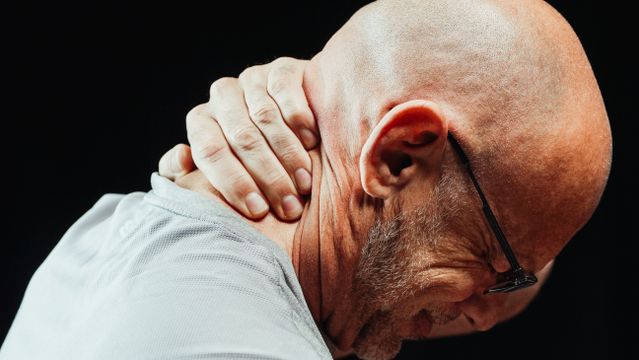
Muscle pain and weakness are the most common side effects reported by individuals taking statins. In the medical community, this is formally known as Statin-Associated Muscle Symptoms (SAMS).
According to the Mayo Clinic, statin-induced muscle pain can manifest as soreness, tiredness, or weakness in your muscles. The pain can range from a mild nuisance to a severe condition that significantly impacts your daily quality of life.
The Science Behind the Pain
As mentioned earlier, statins inhibit the production of mevalonate, a precursor not only to cholesterol but also to CoQ10. CoQ10 is a vital antioxidant required by your cells' mitochondria (the powerhouses of the cell) to produce energy. When CoQ10 levels drop, muscle cells may struggle to generate the energy required for normal function, leading to pain, fatigue, and weakness.
Additionally, in rare cases, statins can cause muscle cells to break down and release a protein called myoglobin into the bloodstream. This severe condition is known as **rhabdomyolysis** and can lead to kidney damage.
Recognizing the Symptoms of Statin Muscle Pain
How do you know if your muscle pain is caused by statins or just a strenuous workout? Statin-induced muscle symptoms typically have specific characteristics:
- Symmetry: The pain usually affects both sides of the body equally (e.g., both thighs or both calves).
- Location: It most commonly occurs in large muscle groups like the thighs, hips, shoulders, and back.
- Sensation: It is often described as a deep, dull ache, heaviness, cramping, or stiffness, rather than the sharp, localized pain of a muscle strain.
- Weakness: You may notice a feeling of heaviness in your legs or find it difficult to perform tasks that were previously easy, such as climbing stairs or lifting objects.
- Timing: Symptoms often begin within weeks to months after starting the medication or increasing the dose.
How Common Is Statin Muscle Pain?
The actual prevalence of SAMS is a subject of heavy debate in the medical community. In rigorous, randomized clinical trials, the rate of muscle pain in patients taking statins is only about 1% to 5%—barely higher than the rate in patients taking a placebo (sugar pill).
However, observational studies in the "real world" suggest that up to 15% to 20% of patients stop taking statins due to muscle pain. Why the discrepancy?
Researchers believe the "nocebo effect" plays a massive role. Because muscle pain is so widely discussed as a statin side effect, patients may be hyper-aware of normal, everyday aches and pains and incorrectly attribute them to their medication.
That being said, even if the pain is partly psychological, the discomfort is very real to the patient, and it should never be dismissed by a healthcare provider.
Who Is at Higher Risk for Muscle Pain?
While anyone on a statin can develop muscle pain, certain factors increase your risk:
- High Doses: Taking a high-intensity statin increases the likelihood of side effects.
- Age: Adults over the age of 65 are more susceptible.
- Gender: Women are more likely to experience SAMS than men.
- Physical Activity: Intense exercise while on statins can exacerbate muscle damage.
- Existing Health Conditions: People with hypothyroidism, kidney disease, liver disease, or a history of muscle disorders are at higher risk.
- Medication Interactions: Statins are processed by specific liver enzymes. Taking certain drugs—like macrolide antibiotics (e.g., clarithromycin), antifungal medications, or even consuming large amounts of grapefruit juice—can raise the concentration of statins in your blood to toxic levels. You can read more about drug interactions via the S. Food and Drug Administration (FDA).
What Should You Do If You Experience Muscle Pain?
Crucial Warning: Never stop taking your statin abruptly without speaking to your doctor. Stopping your cholesterol medication suddenly can cause a dangerous spike in your LDL levels, increasing your risk of a heart attack or stroke.
If you suspect your statin is causing muscle pain and weakness, take the following steps:
Consult Your Healthcare Provider
Your doctor will likely order a blood test to check your Creatine Kinase (CK) levels. CK is an enzyme released when muscle is damaged. If your CK levels are normal, it points toward mild myalgia. If they are extremely high, it could indicate rhabdomyolysis, requiring immediate medical intervention.
Take a "Statin Holiday"
Your doctor may ask you to stop taking the medication for 2 to 4 weeks to see if your symptoms resolve. If they do, it confirms that the statin was likely the culprit.
Switch to a Different Statin
Not all statins are created equal. Some are lipophilic (fat-soluble, like simvastatin), which penetrate muscle tissue more easily. Others are hydrophilic (water-soluble, like pravastatin or rosuvastatin), which tend to have a lower risk of muscle side effects.
Adjust the Dose or Frequency
Sometimes, simply lowering the dose can eliminate the pain while still providing cardiovascular benefits. Alternatively, your doctor might prescribe a lower dose to be taken every other day.
Can Supplements Help Relieve Statin Muscle Pain?
Many patients ask about taking Coenzyme Q10 (CoQ10) supplements to prevent or treat statin-induced muscle pain. While the biological theory makes sense, clinical trials have yielded mixed results. Some studies show a mild benefit, while others show no difference from a placebo. However, because CoQ10 is generally safe, many cardiologists do not object to patients trying it.
Additionally, ask your doctor to check your Vitamin D levels. Vitamin D deficiency is incredibly common and can cause severe muscle pain and weakness that mimics SAMS. Correcting a vitamin D deficiency may resolve your symptoms entirely.
The Bottom Line: Weighing the Risks and Rewards
To answer the original question: Yes, statins can cause muscle pain and weakness, though severe side effects are rare. For the vast majority of patients, the life-saving benefits of statins in preventing heart disease vastly outweigh the risks.
If you are struggling with muscle pain, do not suffer in silence. Work collaboratively with your healthcare provider to find the right medication, dose, or alternative therapy that protects your heart without compromising your quality of life.
Frequently Asked Questions (FAQs)
Will the muscle pain go away if I stop taking statins?
Yes, in the vast majority of cases, statin-induced muscle pain is completely reversible. Once you stop taking the medication, symptoms typically resolve within a few days to a few weeks.
Which statin is least likely to cause muscle pain?
Hydrophilic (water-soluble) statins like pravastatin (Pravachol) and rosuvastatin (Crestor) are generally associated with a lower risk of muscle pain compared to lipophilic (fat-soluble) statins like simvastatin (Zocor) or atorvastatin (Lipitor).
Can I just take a lower dose of my current statin?
In many cases, yes. Studies show that lower doses of statins still provide significant cardiovascular protection while drastically reducing the risk of side effects. However, you should never adjust your dose without your doctor's approval.
Can I drink grapefruit juice while taking statins?
You should avoid large quantities of grapefruit juice if you are taking certain statins (specifically simvastatin and atorvastatin). Grapefruit juice blocks an enzyme in your liver that helps break down the medication, leading to a dangerous buildup of the drug in your system and increasing the risk of muscle damage.
